
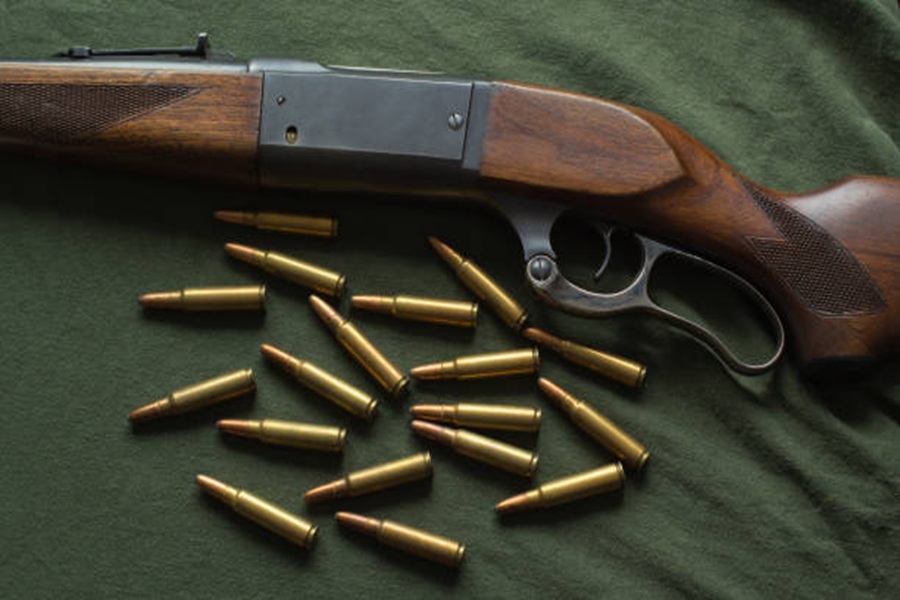
.300 BLK History
The .300 AAC Blackout, often referred to as .300 BLK, was developed in the late 2000s by Advanced Armament Corporation (AAC) and officially introduced in 2011. It was created to meet specific needs within the firearm community, particularly for military and law enforcement applications, but it also gained traction among civilian shooters. The design aimed to deliver an effective close-quarters combat cartridge that offered versatility and performance enhancements over existing options like 5.56 NATO when used in suppressed firearms.
Driving Factors Behind Development
The .300 BLK was designed primarily for two key purposes:
– Improved Suppressor Compatibility: The cartridge was tailored for optimal use with suppressors. Its subsonic loads reduce muzzle noise significantly while maintaining energy suitable for short-range engagements.
– Compatibility with AR-15 Platforms: A major advantage of the .300 BLK is its ability to function seamlessly in standard AR-15 lower receivers with a simple barrel change. This allows users to convert a 5.56 rifle into a platform capable of firing .300 BLK without replacing other components like magazines or bolt carrier groups.
Key Features and Innovations
Some standout features of the .300 BLK include:
– Bullet Weight Versatility: The cartridge supports both supersonic (lighter bullets) and subsonic (heavier bullets) loads, offering flexibility depending on user requirements—whether it’s hunting, home defense, or tactical operations.
– Compact Design: The cartridge is optimized for short-barreled rifles (SBRs). This makes it highly effective at shorter ranges while maintaining a compact firearm profile suitable for tight spaces or vehicular operations.
– Energy Efficiency: The larger caliber bullet ensures more energy transfer on impact compared to smaller calibers like 5.56 NATO, making it effective against targets even at lower velocities.
Early Adoption and Military Interest
Initially, its development sought to address limitations in the existing 5.56 NATO round used by special operations forces (SOF). These units required a round that combined higher stopping power with compatibility across different engagement scenarios—including suppressed environments where stealth is paramount.
Though military adoption has been limited compared to traditional calibers like 5.56 NATO or 7.62x51mm NATO, the .300 BLK has found significant usage among specialized units worldwide due to its adaptability in niche operations.
Civilian Market Growth
Once introduced into the civilian firearms market, the popularity of the .300 BLK surged due to several factors: – Homeowners seeking a versatile defense option appreciated its ability to deliver powerful terminal ballistics at short ranges. – Hunters found it effective for medium game such as deer and hogs due to its larger bullet size and energy output. – Recreational shooters gravitated toward its performance in suppressed setups.
Comparison With Parent Cartridge
The .300 Blackout was derived from the older .221 Fireball case but modified extensively for modern use: | Feature | Parent Cartridge (.221 Fireball) | Modified Version (.300 Blackout) | |————————|———————————-|———————————–| | Case Neck Diameter | Smaller | Larger | | Bullet Caliber | Approximately 0.22” | Approximately 0.30” | | Intended Use | Precision Shooting | Tactical & Versatile Applications|
This evolution reflects how firearm technology adapts over time based on real-world requirements from end-users.
By addressing gaps left by standard cartridges like 5.56 NATO while enhancing ease of integration into widely used platforms such as AR rifles, the .300 AAC Blackout created a niche that continues growing today across both professional and recreational markets.
Why You May Want a .300 BLK Upper/Rifle
Choosing a .300 Blackout (BLK) upper or rifle can be an excellent decision depending on your specific shooting needs and preferences. While the 5.56 NATO has long been a standard option for many shooters, the .300 BLK brings unique advantages that make it particularly appealing for certain applications. Below, we’ll explore the key reasons why you might consider investing in a .300 BLK setup.
Versatility in Ammunition Types
- Supersonic Rounds: These rounds are ideal for hunting or situations where maximum energy and range are required. They deliver hard-hitting performance comparable to larger calibers like the 7.62x39mm.
- Subsonic Rounds: When paired with a suppressor, subsonic ammunition offers exceptional noise reduction, making it perfect for home defense or shooting in environments where discretion is important.
This flexibility allows users to adapt their setup based on their intended use without needing entirely separate platforms.
Superior Performance in Short-Barreled Rifles (SBRs)
- Retention of muzzle energy even with compact barrel lengths.
- Excellent maneuverability in tight spaces, such as inside structures or vehicles.
- Enhanced compatibility with suppressors due to lower muzzle blast compared to 5.56 NATO.
For users who prefer SBRs or pistol AR setups, this makes the .300 BLK an obvious choice.
Effective Hunting Round
- Greater bullet mass compared to 5.56 NATO, allowing for deeper penetration and more reliable takedowns of medium-sized game such as deer and hogs.
- Subsonic rounds combined with a suppressor reduce sound signature significantly—ideal for minimizing disturbance in hunting areas.
When compared side by side with common hunting calibers, especially at shorter distances, .300 BLK holds its own as a highly effective cartridge.
| Cartridge | Typical Energy at 100 Yards | Effective Range |
| .300 Blackout (supersonic) | ~1,200–1,400 ft-lbs | ~200 yards |
| 5.56 NATO | ~900–1,000 ft-lbs | ~400 yards |
| Subsonic .300 BLK | ~500–600 ft-lbs | ~100–150 yards |
Home Defense Applications
- Subsonic ammunition minimizes overpenetration concerns while remaining effective against intruders.
- The reduced muzzle flash compared to 5.56 NATO is advantageous when firing indoors or under low-light conditions.
- Suppressor compatibility makes it quieter than most alternatives—important when protecting hearing indoors during an emergency scenario.
These factors make it one of the best options available for defensive use within confined spaces.
Compatibility With Existing AR Platforms
- The cartridge was designed specifically to work within standard AR-15 magazines and receivers without modification (although you must be mindful not to mix calibers).
- Simply swapping out your upper receiver allows you to transform your existing AR into a rifle capable of firing either caliber—no need for additional lower components or proprietary parts.
This level of interchangeability makes adding a .300 BLK rifle or upper an affordable and convenient way to expand your firearm’s capabilities while still maintaining familiarity with your platform.
Final Thoughts on Practical Benefits
- Better performance from short barrels.
- Flexible ammunition options tailored toward specific tasks like hunting and home defense.
- Seamless compatibility with existing AR platforms.
If these advantages align with your specific needs—whether it’s hunting deer at moderate ranges or building an SBR that excels indoors—the investment into this caliber may prove worthwhile over time.
.300 Blackout Safety
When comparing ammunition types like .300 Blackout (BLK) and 5.56 NATO, safety is a critical aspect to address. Each cartridge has specific characteristics that not only affect performance but also dictate safe handling practices, firearm compatibility, and usage scenarios. Understanding safety measures for .300 BLK is essential for responsible firearm ownership and operation.
Compatibility Issues: The Risk of Ammunition Confusion
One of the most significant safety concerns when using .300 BLK is its similarity in size to other cartridges, particularly 5.56 NATO/.223 Remington. Both .300 BLK and 5.56 NATO are commonly used in AR-15 platforms, but the potential to mistakenly load the wrong cartridge into a firearm can lead to serious malfunctions or catastrophic failure.
- Attempting to fire a .300 BLK round from a rifle chambered for 5.56 NATO can cause severe barrel damage.
- Mismatched ammunition can lead to chamber obstruction or unsafe pressure levels, potentially harming the shooter.
- Clearly label magazines and ammunition storage containers with their respective calibers.
- Avoid mixing different calibers during shooting sessions to reduce the chance of confusion.
- Consider using dedicated firearms for each caliber instead of swapping uppers frequently.
Proper Chamber Markings
Firearms chambered in .300 BLK should have visible markings on the barrel or upper receiver indicating the caliber. However, because many AR-15-style rifles allow easy upper receiver swaps, it’s critical for users to double-check compatibility before attaching an upper chambered in one caliber while using lower components configured for another.
- Before firing:
Check that your rifle’s barrel markings match your intended ammunition choice (e.g., “.300 AAC” or “.300 Blackout”).
Subsonic vs. Supersonic Loads: Pressure Considerations
- Supersonic Loads: Deliver higher velocities but generate more recoil and pressure.
- Often paired with suppressors due to their reduced noise signature.
- Lower pressures mean some semi-auto firearms may experience cycling issues without proper tuning.
To stay safe: – Use appropriate buffer weights or adjustable gas blocks when running subsonic loads in semi-auto firearms. – Regularly clean suppressors if used with subsonic ammunition since carbon buildup is more frequent with these rounds.
Misfire Protocols and Safe Clearing Practices
- Keep your firearm pointed in a safe direction at all times.
- Wait at least 30 seconds before attempting to clear a suspected misfire; this precaution accounts for any delayed ignition (“hang fire”).
- Eject the round carefully while inspecting both the spent case and firearm chamber for signs of abnormality such as bulging or wear.
General Maintenance Practices
- Regularly inspect barrels for signs of fouling or obstructions caused by lead deposits when shooting subsonic rounds or suppressor configurations.
- Clean chambers thoroughly if switching between supersonic and subsonic loads; residue from one type might affect how reliably the other cycles through your weapon.
| Safety Tip | Recommendation |
| Label Magazines | Prevents accidental loading of mismatched cartridges |
| Check Barrel Markings | Ensures compatibility between ammo type and firearm chamber |
| Tune Semi-Auto Systems | Use adjustable gas blocks/buffer weights for subsonics |
| Practice Misfire Protocol | Prevent accidents caused by improper clearing techniques |
By following these safety guidelines, shooters can minimize risks when operating firearms chambered in .300 Blackout while maximizing reliability during target practice, hunting trips, or self-defense situations—even under varying configurations like suppressed setups or different load types.
.300 Blackout Safety
Safety is a critical consideration when handling firearms, and the .300 Blackout (BLK) cartridge has specific traits that require attention to avoid potentially dangerous situations. Understanding these safety nuances ensures you can use your firearm responsibly and effectively. Below, we’ll explore key considerations for safely working with .300 BLK, including ammunition compatibility, storage practices, and proper usage.
Avoiding Cartridge Confusion: .300 BLK vs. 5.56 NATO
One of the most significant safety concerns with .300 Blackout arises from its compatibility with AR-15 platform rifles, which are also commonly chambered in 5.56 NATO. While this shared platform offers versatility, it also increases the risk of accidental ammo mix-ups.
- Both .300 BLK and 5.56 NATO cartridges can fit into a standard AR-15 magazine.
- However, attempting to chamber a .300 BLK round in a rifle designed for 5.56 NATO—or vice versa—can result in catastrophic malfunctions or damage to the firearm.
- Dedicated Magazines: Use clearly labeled magazines for each caliber (e.g., marked with colored tape or engravings).
- Separate Storage: Store .300 BLK and 5.56 NATO ammunition in distinct containers to reduce confusion during loading.
- Double-Check Ammo: Always confirm the caliber of each round before loading it into your firearm.
Barrel Length and Suppressor Use
The performance and safety of .300 BLK can vary significantly depending on barrel length and whether you use a suppressor.
- Short-barrel rifles (SBRs) are common with .300 BLK due to its excellent performance at shorter barrel lengths compared to other calibers like 5.56 NATO.
- Ensure you understand local laws regarding SBRs or obtain proper permits if required.
- Subsonic loads of .300 BLK are particularly effective when paired with suppressors, offering reduced noise levels.
- Always check suppressor alignment before firing; misaligned suppressors can lead to baffle strikes that damage both your equipment and increase risk to safety.
Proper Maintenance to Avoid Failures
Routine cleaning and maintenance are essential for any firearm but particularly important for calibers like .300 BLK if used frequently in suppressed setups or shorter barrels.
- Carbon buildup from subsonic ammunition can accumulate more quickly in suppressed firearms.
- Disassemble your firearm periodically following manufacturer guidelines to inspect components such as:
- Bolt carrier group
- Gas system
- Chamber
- Muzzle devices (e.g., flash hiders or suppressors)
Table: Quick Safety Checkpoints for Using .300 BLK
| Safety Aspect | Recommendation |
| Ammo Identification | Clearly label magazines; double-check rounds |
| Suppressor Alignment | Verify alignment before firing |
| Barrel Length Compliance | Confirm legal requirements in your area |
| Cleaning Frequency | Clean more often if using subsonic/suppressed ammo |
Final Safety Tips
Education and awareness are key when handling any cartridge, including the versatile but unique .300 Blackout round. By staying vigilant about ammo selection, understanding barrel lengths’ impact on performance, maintaining your equipment properly, and practicing safe storage habits, you ensure safer shooting experiences while maximizing the potential of what makes this caliber so popular.
.300 Blackout Safety
When handling any firearm, safety should always be the top priority, and this is particularly true when working with calibers like .300 Blackout (BLK) and 5.56 NATO. While they may seem similar at first glance due to their shared compatibility with AR-15 platforms, key differences in their design can lead to dangerous mistakes if proper precautions are not followed. Below, we’ll explore key safety considerations for the .300 Blackout platform and how you can minimize risks during use.
Key Safety Concerns When Using .300 BLK
- The most notable safety issue arises from the fact that both 5.56 NATO and .300 BLK rounds are designed to work in AR-15-style firearms. While a 5.56 round cannot physically fit into a .300 BLK chamber, a .300 BLK round can be mistakenly loaded into a rifle chambered for 5.56 (in certain circumstances).
- If fired accidentally, this could result in catastrophic failure of the weapon, potentially causing harm to the user or bystanders.
- Always clearly label your magazines if you own rifles chambered in both calibers.
- Store different calibers separately to avoid confusion at the range or in high-pressure situations.
- With subsonic ammunition (commonly used with suppressors), .300 BLK exhibits lower muzzle velocity compared to supersonic variants or 5.56 rounds.
- Users should account for these differences when considering safe backstops and target distances, as subsonic bullets will drop more quickly over distance.
Tips for Safe Handling of .300 Blackout
- Color-Coded Magazines: Use colored magazine followers or dedicated magazines specifically marked for .300 BLK to prevent accidental loading into a firearm chambered for 5.56 NATO.
- Routine Firearm Inspections: Regularly inspect rifles and ammunition before shooting:
- Confirm barrel markings align with your intended caliber.
- Double-check ammunition before loading any magazine.
- Use Distinctive Ammunition Packaging: Choose storage containers designed specifically for organizing different calibers so they are instantly recognizable during transport or storage.
- Train on Proper Loading Protocols: Develop habits where you consciously verify both the rifle configuration and caliber type each time you load the gun—this reduces rushed decisions under stress.
Differences Between Supersonic and Subsonic Loads
| Type of Load | Typical Bullet Weight | Velocity Range | Key Considerations |
| Supersonic Rounds | ~110–150 grains | ~2,000+ feet per second (fps) | Higher energy output; better long-distance performance |
| Subsonic Rounds | ~190–220 grains | ~900–1,100 fps | Quieter with suppressors; higher bullet drop at range |
Selecting appropriate loads based on your intended use ensures safer and more effective shooting experiences while maintaining control over trajectory and energy output.
Final Thoughts on Safe Use of .300 Blackout
By understanding its unique characteristics—such as its compatibility with AR-15 platforms—and following intentional safety measures like labeling magazines or properly storing ammunition, you can significantly reduce risks associated with owning and operating firearms chambered in this versatile cartridge. Always prioritize mindful handling practices and invest time in familiarizing yourself fully with your equipment before hitting the range or field settings.
.300 Blackout Safety
Safety is always a top priority when handling firearms, and the .300 Blackout (BLK) cartridge introduces some unique considerations. While this versatile round has made a name for itself in various applications, understanding how to safely use and store it ensures both optimal performance and safe operation. Below, we explore key safety concerns specific to .300 BLK.
Avoiding Chambering Issues
One of the most significant safety risks with .300 BLK arises from its ability to fit into a 5.56 NATO chamber. This can happen because the external dimensions of the .300 BLK case are designed to work with standard AR-15 platforms, which are commonly chambered in 5.56 NATO or .223 Remington.
Why is this dangerous? – A .300 BLK round accidentally fired in a 5.56 chamber can lead to catastrophic failure and potential injury. – The pressure build-up from firing an incorrectly chambered round can damage your firearm or cause harm to the shooter.
How to avoid this: – Always clearly label your ammunition types and store them separately. – Use magazines specifically designated for .300 BLK and mark them accordingly (e.g., different-colored tape or magazine bands). – Double-check ammunition before loading it into your rifle.
Subsonic vs. Supersonic Considerations
The versatility of the .300 BLK lies in its ability to fire both subsonic and supersonic ammunition effectively. However, each type comes with distinct performance characteristics that require attention for safe operation.
Subsonic Ammunition: – Typically used with suppressors for quieter shooting. – Produces less recoil and lower muzzle velocity.
Safety tip: Ensure your suppressor is rated for subsonic ammo pressures if you plan on using one frequently.
Supersonic Ammunition: – Delivers higher velocity and greater energy transfer. – Suitable for hunting or situations requiring more power at range.
Safety tip: When switching between subsonic and supersonic rounds during a shooting session, confirm that your rifle’s gas system is properly tuned (especially on adjustable gas blocks) to handle each load reliably.
Barrel Length & Pressure Considerations
Barrel length plays an important role in the safe operation of firearms chambered in .300 Blackout. The round was designed with short-barreled rifles (SBRs) in mind but can also be fired from standard-length barrels.
Key considerations: | Barrel Length | Safety Implications | |—————|———————| | Short Barrels (9″-11″) | Ideal for maximizing maneuverability but may result in higher muzzle flash or noise without suppressors. Ensure proper gas system tuning for reliability. | | Standard Barrels (16″) | Safe option for balanced velocity but may lose some benefits inherent to shorter-barrel designs when used indoors or at close range.|
Always follow manufacturer specifications regarding barrel compatibility when choosing parts for custom builds.
Proper Maintenance Practices
Regular maintenance ensures that your rifle operates reliably while minimizing safety risks associated with malfunctions or fouling buildup caused by suppressed shooting (common with subsonic loads).
To maintain safety: 1. Clean the chamber, bolt carrier group (BCG), and barrel after every range session—especially if firing suppressed rounds. 2. Inspect gas system components regularly since fouling might restrict reliable cycling over time. 3. Use high-quality ammunition from reputable manufacturers to reduce risks associated with misfires or poor-quality powder loads.
By adhering closely to these practices, you’ll extend the life of your firearm while ensuring each shot remains consistent and safe under various conditions.
Adhering strictly to these guidelines will enhance both performance and safety when working with .300 Blackout rifles or uppers while reducing risks specific to this caliber’s unique design attributes compared to others like 5.56 NATO.
.300 Blackout Safety
When discussing firearms, safety is a critical aspect, and the .300 Blackout (BLK) cartridge is no exception. Given the unique design and usage of .300 BLK ammunition, there are specific safety considerations shooters must keep in mind to prevent accidents or equipment damage. Whether you’re new to firearms or an experienced shooter, understanding how to handle and shoot .300 BLK safely is essential.
The Danger of Cartridge Misidentification
One of the most significant safety concerns with .300 Blackout ammunition stems from its compatibility with AR-15 platform rifles. Since many AR-15 rifles are chambered in 5.56 NATO, and both calibers use similar magazines, there’s a real risk that someone might accidentally load a .300 BLK round into a 5.56 rifle. This can lead to catastrophic failure.
- A .300 BLK round has a wider bullet diameter (.308 inches) compared to the smaller (.224 inches) projectile used in 5.56 NATO.
- Attempting to fire a .300 BLK cartridge from a 5.56 chamber can cause overpressure, damaging the firearm and potentially injuring the shooter.
To avoid this:
1. Clearly label your magazines for different calibers. 2. Store ammunition separately by type. 3. Train yourself to double-check both caliber markings on cartridges and rifle barrels before loading.
Subsonic vs. Supersonic Ammo Safety
Another unique factor of shooting .300 Blackout involves its ability to utilize both subsonic and supersonic ammunition effectively, especially when paired with suppressors (silencers). However, this versatility also requires attention.
- Supersonic Loads: These rounds operate at higher velocities and are often used for hunting or long-range shooting.
- Subsonic Loads: Known for their quieter operation when suppressed but may require more care in ensuring they cycle reliably in semi-auto rifles.
Tips for safely using subsonic ammo:
– Test your firearm’s reliability with subsonic rounds before relying on them for serious use. – Be mindful of potential “squib loads,” which occur when insufficient powder causes a bullet to get lodged in the barrel. Always check your barrel if you suspect abnormal behavior while firing.
Barrel Length Considerations
- For shorter barrels (under 10 inches), excessive heat buildup can occur during rapid fire, so allow cooling periods during extended sessions.
- Ensure your suppressor is rated for short-barrel use if pairing it with an SBR; improper suppressor pairing could damage your equipment or increase wear over time.
| Barrel Length | Use Case | Safety Concern |
| Under 10 Inches | Close quarters/SBR setups | Heat management & suppressor wear |
| 10–16 Inches | Versatile all-around use | None specific beyond regular checks |
| Over 16 Inches | Hunting/longer range | Balance between velocity & accuracy |
General Maintenance Tips
- Clean your rifle regularly if using suppressors; carbon buildup is more common with suppressed shooting.
- Inspect bolt carrier groups and gas systems frequently; subsonic loads can sometimes lead to fouling due to lower pressure cycling mechanisms.
- Use high-quality factory ammunition whenever possible—handloads must be measured carefully due to tighter tolerances required for safe functioning.
By staying informed about these key safety points, you’ll not only protect yourself but also extend the life of your firearm while enjoying all that the versatile .300 Blackout has to offer responsibly and securely!

BROWNING BUCKMARK FREEDOM – VISION 22LR 5.9″ 250TH SR
BROWNING BUCKMARK FREEDOM - VISION 22LR 5.9" 250TH SR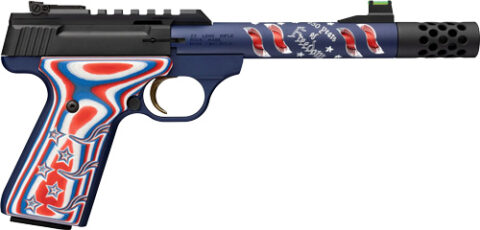
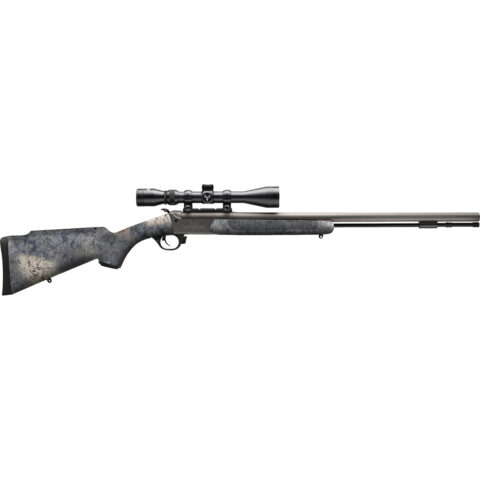
Traditions NitroFire with VAPR Twist Muzzleloader .50 Cal 26 in.
Traditions NitroFire with VAPR Twist Muzzleloader .50 Cal 26 in. Tungsten/Desert Web w/ Scope