

How We Chose the Best Mag-Fed Shotguns
Selecting the best magazine-fed shotguns requires a careful evaluation of features, performance, and suitability for various applications. This section explains the criteria and methodology used to identify the top contenders in this category. By focusing on key attributes that matter most to users, we aim to provide a curated list of options that meet diverse needs while maintaining quality and reliability.
Key Factors in Selection
1. Build Quality and Materials:
– Shotguns constructed with durable materials such as high-grade steel or reinforced polymer were prioritized for better longevity.
– Special attention was given to models with corrosion-resistant finishes or coatings suitable for harsh environments.
2. Capacity and Magazine Options:
– Magazine-fed shotguns are often sought after for their ability to carry multiple rounds in detachable magazines. Models offering flexibility in magazine capacity (e.g., 5, 10, or even 20-round options) were given preference.
– Compatibility with aftermarket magazines was also considered where applicable.
3. Ergonomics and Usability:
– Ease of use is crucial; therefore, shotguns with intuitive controls and adjustable features like stocks or cheek risers ranked higher on our list.
– Ambidextrous controls or modifications for left-handed users were noted as a bonus feature.
4. Performance Metrics:
We gauged shotguns based on:
– Reliability: Consistent cycling of rounds without jamming under various conditions (e.g., weather, load types).
– Accuracy: Effective patterns at different ranges for hunting or defensive purposes. – Recoil Management: Systems such as gas-operated mechanisms or integrated recoil pads offered smoother shooting experiences.
5. Purpose-Specific Features:
Different users have different needs—whether it’s home defense, tactical use, hunting, or recreational shooting—so versatility played a role in selection: – Tactical models featuring Picatinny rails for optics/attachments were highlighted. – Home defense variants with shorter barrels for maneuverability were evaluated separately from hunting-focused models.
6. Value for Money:
Shotguns often vary widely in price depending on brand and specifications; balancing cost against functionality was essential to include options catering to various budgets without compromising quality.
Research Process
Our research involved: 1. Expert Insights – Feedback from firearm experts, gunsmiths, and seasoned shooters helped identify standout performers. 2. Field Testing – Practical usage tests under realistic conditions assured accuracy, reliability, and handling. 3. User Reviews – Public opinions provided insight into long-term ownership experiences covering durability and maintenance over time. 4. Manufacturer Specifications & Innovations – Advanced technologies (e.g., quick-change mag systems) were factored into consideration where they enhanced usability.
Table: Comparison of Key Criteria
| Criteria | Examples of Consideration | Importance Level |
| Durability | Corrosion-resistance coating | High |
| Magazine Versatility | Detachable mag sizes | High |
| Recoil Management | Gas vs inertia systems | Medium |
| Customizability | Optics mounts/stocks | Medium |
| Price-to-Performance | Features vs cost comparison | High |
By maintaining an objective approach using these criteria alongside practical testing methods, we’ve ensured that only the most reliable mag-fed shotguns made it onto our shortlist.
How We Chose the Best Mag-Fed Shotguns
1. Performance and Reliability
The two most essential characteristics of any firearm are its ability to perform consistently and operate reliably under different conditions. For mag-fed shotguns, we paid special attention to:
– Feeding Reliability: Ensuring smooth cycling of shells through the magazine without excessive jamming or failures to feed (FTF).
– Durability: Materials used in construction (e.g., polymer versus metal) and how well they stand up to wear or harsh environments.
– Accuracy at Range: While shotguns are typically used for close-range applications, precision still plays a significant role for hunting or sport shooting scenarios.
2. Ease of Use
Magazine-fed shotguns are often chosen for their faster reload times compared to traditional tube-fed models. However, ease-of-use goes beyond just reloading speed:
– Magazine Design: Is it simple to load and remove? How many rounds can it hold? Does it seat securely during operation?
– Weight and Ergonomics: A shotgun that balances well in hand improves handling during dynamic shooting situations or long periods of use. We considered configurations that cater to diverse body types and preferences.
3. Versatility
A good mag-fed shotgun should be adaptable for various applications including self-defense, hunting, competition shooting, or recreational use. In assessing versatility, we evaluated:
– Compatibility with different shell lengths (e.g., 2¾-inch vs 3-inch shells).
– Availability of aftermarket accessories such as optics mounts, extended magazines, foregrips, or custom stocks. – Barrel length options for specific needs like maneuverability in tight spaces or range performance.
4. Price-to-Performance Ratio
While premium models dominate the upper end of this category with cutting-edge features like semi-auto operation and advanced materials, there are also options catering to budget-conscious buyers with solid performance at lower price points. This allowed us to include a mix that appeals both to seasoned professionals as well as first-time buyers.
| Price Range | Features Commonly Found | User Base |
| Under $800 | Pump-action models; basic features | Beginners/home defense users |
| $800 – $1,500 | Semi-auto; improved ergonomics | Intermediate sport/hobby shooters |
| Over $1,500 | Premium builds; tactical designs | Professionals/enthusiasts |
5. Community Feedback
We delved into user reviews from forums such as ShotgunWorld and platforms like Reddit’s r/Shotguns community while also consulting experts at firearm ranges for real-world insights on functionality issues or standout features that don’t always show up in product descriptions.
By combining technical specifications with practical input from active shooters across different disciplines (law enforcement officers included), we’ve curated a list that reflects not just popularity but genuine value across multiple scenarios.
How We Chose the Best Mag-Fed Shotguns
1. Performance and Reliability
- Cycle Speed: A quality mag-fed shotgun should operate smoothly without frequent jams or misfeeds. We prioritized models with proven performance in high-stress situations, such as tactical training or competitive shooting.
- Durability: Materials like steel-reinforced polymer and aircraft-grade aluminum were key considerations for ensuring robust construction that stands up to repeated use in challenging environments.
- Consistency: We looked for shotguns that provide consistent groupings across various load types, including birdshot, buckshot, and slugs.
2. Magazine Capacity and Design
The capacity of a magazine can make or break a mag-fed shotgun’s utility in real-world scenarios. – Standard Capacity Options: Models offering a balance between weight efficiency and sufficient rounds were preferred (typically 5–10 rounds). – Extended Magazine Options: We also considered systems that allow for aftermarket upgrades, such as drum magazines capable of holding up to 20 rounds. – Ease of Reloading: A well-designed magazine should be easy to insert and remove under pressure without sacrificing reliability.
3. Ergonomics and Handling
Another critical factor is how comfortably and intuitively the shotgun operates: – Weight Distribution: A balanced firearm reduces fatigue during extended use. – Recoil Management: Features like built-in recoil pads or gas-operated systems were considered for smoother operation. – Ambidextrous Controls: For greater adaptability, we preferred models with ambidextrous safety selectors or charging handles.
4. Versatility Across Applications
Mag-fed shotguns are valued for their adaptability across different scenarios: – Home defense – Hunting small game – Tactical training We factored in versatility by choosing models capable of excelling in all these domains through interchangeable barrels or adjustable chokes.
5. Reputation Among Experts
We consulted trusted experts within the firearms industry—including professional shooters, gunsmiths, law enforcement personnel, and hunters—to determine which models deliver long-term reliability paired with real-world usability.
Comparative Table
| Factor | Importance Level | Example Features Considered |
| Durability | High | Steel components, polymer stocks |
| Magazine Compatibility | High | Standard & extended options |
| Weight/Balance | Moderate | Light enough for portability |
| Recoil Management | High | Gas systems/recoil pads |
By applying these rigorous criteria during our evaluation process, we aimed to identify only those magazine-fed shotguns that blend performance excellence with practical usability—ensuring you invest your time and money on well-crafted firearms built to last.
Downsides to a Mag-Fed Shotgun
While magazine-fed shotguns offer impressive capabilities, they are not without their limitations. Understanding the potential downsides of these firearms is essential for anyone considering adding one to their arsenal. Below we discuss some of the key drawbacks that users may encounter when opting for mag-fed shotguns.
Increased Weight and Bulk
- Magazine Size: The detachable magazines used in mag-fed shotguns are typically larger and heavier than internal tube magazines, particularly with higher ammunition capacities (e.g., 10 or 20 rounds). This additional weight can make the firearm less maneuverable, especially in extended use.
- Balance Issues: The bulk of a loaded magazine shifts the balance point of the shotgun, which can impact handling and accuracy during rapid target acquisition.
Limited Compatibility
- Proprietary Magazines: Many mag-fed shotgun models require proprietary magazines that are not interchangeable between brands or sometimes even across models from the same manufacturer. This lack of standardization can complicate sourcing spare magazines or upgrades.
- Ammunition Restrictions: Certain mag-fed shotguns may struggle with specialty ammunition such as low-recoil shells or non-lethal projectiles, as these rounds might not feed reliably depending on magazine design.
| Factor | Tube-Fed Shotgun | Mag-Fed Shotgun |
| Reload Speed | Slower (manual loading) | Faster (magazine swap) |
| Weight Distribution | Balanced | Can become front-heavy |
| Ammo Compatibility | More versatile | May vary by magazine type |
Reliability Concerns
- Feeding Issues: Mag-fed shotguns are more prone to feeding malfunctions when compared to traditional tube-fed systems. Dirt, debris, or poorly designed magazines can increase the likelihood of jams during operation.
- Magazine Durability: Detachable magazines are susceptible to wear and tear over time, especially if frequently dropped during reloads or mishandled in high-stress situations.
Legal and Practical Limitations
- Legal Restrictions: In some regions, mag-fed shotguns with high-capacity magazines face legal restrictions due to firearm regulations. It is crucial for buyers to understand local laws before purchasing such firearms.
- Storage Space Requirements: Magazines take up more physical storage space when compared to traditional tube setups, making them less convenient for users with limited storage options.
Cost Considerations
- Initial Cost: Mag-fed shotguns often come at a premium price point when compared to their tube-fed counterparts. This includes both the firearm itself and additional accessories like extra magazines.
- Additional Accessories: Stocking multiple magazines increases overall costs significantly over time, especially if you prefer having preloaded spares on hand.
Understanding these downsides doesn’t necessarily detract from the appeal of mag-fed shotguns but provides perspective on why they may not be ideal for every shooter or scenario. Assessing your specific needs—whether for home defense, competition shooting, or hunting—can help determine whether these trade-offs align with your intended use case. By weighing both their advantages and drawbacks effectively, you can make an informed decision tailored to your preferences and requirements.
Downsides to a Mag-Fed Shotgun
While magazine-fed shotguns offer several advantages, they are not without their limitations. Understanding these downsides can help prospective buyers make a more informed decision about whether a mag-fed shotgun is the right choice for their specific needs.
1. Increased Weight and Bulk
One significant downside of mag-fed shotguns is the additional weight and bulk introduced by the detachable magazine. This can make the firearm less maneuverable in certain situations, especially during prolonged use or in confined spaces.
Key considerations:
– Magazine Weight: Fully loaded magazines add to the overall weight of the firearm, making it heavier than traditional tube-fed shotguns.
– Physical Size: The magazine protrudes from the bottom of the shotgun, which may hinder mobility or interfere with shooting positions when compared to a sleeker tube-fed design.
2. Limited Magazine Capacity Options
While mag-fed shotguns provide fast reloads, their capacity is often capped by magazine size. For users accustomed to high-capacity tube-fed shotguns, this could be a drawback.
Typical capacity ranges:
| Magazine Type | Shell Capacity |
|———————|—————-|
| Standard Magazine | 5–10 shells |
| Extended Magazine | 15–20 shells |
Tube-fed designs often allow extensions that reach beyond this range while maintaining streamlined handling.
3. Potential for Malfunctions
Magazines introduce mechanical complexity that can increase the chance of malfunctions compared to simpler tube-fed systems. Common issues include:
– Misfeeds due to improperly seated magazines.
– Wear and tear on springs over time, reducing feeding reliability. – Dirt or debris interfering with smooth operation.
Regular maintenance and proper magazine care are essential to minimize such issues.
4. Cost Implications
Mag-fed shotguns tend to be more expensive upfront due to their advanced designs and engineering requirements. Additionally, proprietary magazines can add significant costs when purchasing extras or replacing worn-out parts.
Cost breakdown:
– Firearm price: Typically higher than comparable traditional models. – Replacement magazines: Can cost $30–$80 each depending on brand and capacity. – Accessories: Mag pouches and carriers may also add expenses for users seeking optimized setups.
5. Learning Curve for New Users
Challenges include: – Training muscle memory for inserting/removing magazines efficiently under stress. – Carrying extra magazines comfortably without sacrificing mobility. – Managing limited ammo per magazine versus continuously topping off a tube-fed design.
By thoroughly weighing these downsides alongside their advantages, shooters can decide if a mag-fed shotgun aligns with their intended use cases—whether it’s home defense, sport shooting, or tactical applications—while mitigating potential drawbacks through proper planning and training strategies.
Downsides to a Mag-Fed Shotgun
While magazine-fed shotguns offer several modern advantages, they are not without their drawbacks. Before investing in one, it’s important to consider the potential downsides, especially if you’re weighing options between traditional tube-fed shotguns and mag-fed variants. Below is an exploration of the key disadvantages to help you make an informed decision.
1. Increased Weight and Bulk
Magazine-fed shotguns often have a heavier overall setup compared to tube-fed counterparts. This added weight primarily comes from:
– Loaded magazines: Fully loaded magazines can add considerable bulk, especially when carrying spares.
– Design elements: The magazine well and other structural features make these shotguns larger and bulkier, limiting ease of maneuverability in certain scenarios like home defense or close-quarters hunting.
Practical Tip: If weight is a concern, look for models designed with lightweight materials or compact configurations that reduce overall heft while maintaining performance.
2. Limited Capacity in Some Models
Unlike tube-fed shotguns where extended tubes can hold significant amounts of ammo (sometimes up to 9+1 rounds), some magazine-fed models come with smaller capacity magazines as standard, often in the range of 5 to 10 rounds. While larger-capacity mags are available for many models, they can be more expensive and difficult to find depending on the manufacturer.
| Comparison | Tube-Fed Shotgun | Mag-Fed Shotgun |
| Standard Capacity | 6-9 shells | 5-10 rounds |
| Extended Capacity | Up to 12 shells | Upgraded mags may reach 20+ rounds |
3. Reloading Complexity
Reloading with detachable magazines has its learning curve. It requires proper training for smooth operation under pressure:
– Swapping out mags during stressful situations can take longer than simply topping off a tube-fed shotgun. – Carrying spare magazines adds another layer of preparation and organization when compared to single-shell reloads.
Pro Tip: Practice mag changes regularly to build muscle memory and ensure efficient reloads when it matters most.
4. Cost Considerations
Owning a mag-fed shotgun often means higher upfront expenses as well as ongoing costs:
– Magazines themselves can be expensive and may not always be included with the shotgun purchase. Purchasing extras for contingency or convenience adds up quickly. – Maintenance costs could rise due to wear and tear from detachable components like feed lips on polymer mags.
5. Reliability Concerns Under Certain Conditions
While many mag-fed shotguns perform reliably under controlled conditions, some may face feeding issues due to factors such as:
– Design flaws in lower-quality magazines leading to misfeeds or jams. – Dirt or debris interfering with magazine function during extended use outdoors (e.g., hunting trips).
For users relying on these firearms for critical purposes like home defense, ensuring flawless performance via rigorous testing is essential before fully depending on them.
By understanding these potential downsides—weight, capacity limitations, reloading quirks, cost implications, and reliability concerns—you’ll be better equipped to decide if a mag-fed shotgun aligns with your needs or whether a traditional design might prove more practical for your intended application.

Andro Corp Industries 55616BB ACI-15 Bravo 5.56 NATO 30+1 16″
Andro Corp Industries 55616BB ACI-15 Bravo 5.56 NATO 30+1 16" Black Nitride Threaded Barrel, Black Anodized…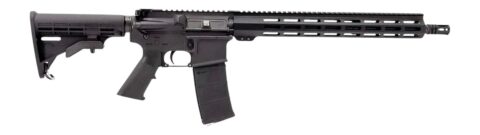
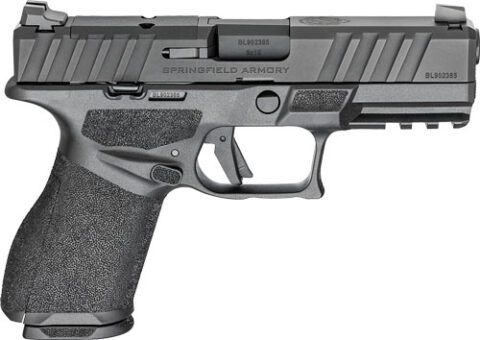
SPRINGFIELD ECHELON ALPHA 9MM – 4″ 15RD BLACK COMPACT FRAME
SPRINGFIELD ECHELON ALPHA 9MM - 4" 15RD BLACK COMPACT FRAME