
How We Chose the Best Prism Optics
Key Criteria for Selection
- High-quality glass coatings, such as fully multi-coated lenses, were prioritized for enhanced light transmission and reduced glare.
- We focused on scopes that deliver clear reticles and sharp visuals even in low-light conditions.
- Scopes with etched reticles were favored since they remain visible without batteries—a key benefit in power-depleted scenarios.
- Models offering illuminated reticle options with adjustable brightness settings scored higher for versatility in diverse environments.
- Rugged construction materials like aircraft-grade aluminum were preferred for their ability to withstand rough handling and adverse weather conditions.
- Waterproofing, fog-proofing, and shock-resistance features were also non-negotiable factors during our evaluation.
- Fixed magnifications (commonly 1x or 3x) were assessed based on their suitability for mid-range shooting applications versus close-quarters needs.
- Adjustable designs received bonus points for offering flexibility across multiple shooting scenarios.
- We chose optics that provide generous eye relief to enhance comfort during prolonged use or when wearing glasses.
- Wide fields of view were prioritized to support easier target tracking.
- Controls such as dials or turrets with tactile feedback improved usability scores.
- Lightweight designs that are easy to mount on various rifles contributed positively.
- While premium features often come at higher prices, we ensured there were models catering to budget-conscious buyers without compromising performance.
Why Prism Scopes Are Ideal for Astigmatism
For individuals with astigmatism, traditional red dots can present challenges due to blurry or distorted dots caused by uneven corneal curvature. Prism scopes eliminate this issue by relying on etched reticles rather than projected light dots—ensuring clarity regardless of visual impairments.
Comparison Table: Factors Considered
| Feature | Importance Level | Notes |
| Optical Clarity | Essential | Crucial for visibility in different lighting conditions. |
| Etched Reticle | Very High | Ensures usability without batteries; aids astigmatic users. |
| Construction Durability | High | Supports field use under tough conditions. |
| Eye Relief | Medium | Important but varies based on magnification levels. |
| Price | Medium | Balanced against features offered by each scope. |
This meticulous evaluation process ensured our recommendations align with both professional-grade requirements and the everyday needs of enthusiasts looking for precision optics solutions tailored specifically towards improved performance combined with reliability over time.
How We Chose the Best Prism Optics
Key Factors Considered
- Prism scopes are known for their etched reticles, which provide sharp, clear aiming points even without illumination. This feature is especially helpful for people with astigmatism who may struggle with blurry or distorted reticle images when using red dots.
- We prioritized crisp, distortion-free glass quality and coatings that minimize glare and enhance light transmission.
- Unlike traditional red dot sights, prism scopes typically offer fixed magnification—often 1x, 3x, or higher—making them ideal for mid-range shooting.
- Our picks include models suited to various scenarios ranging from close-quarters combat (CQC) to longer-range precision shooting.
- Rugged construction is non-negotiable for outdoor use. We examined materials (e.g., aircraft-grade aluminum), waterproofing capabilities (O-ring seals), and shock resistance to ensure these scopes can withstand harsh environments.
- Adjusting windage and elevation should be intuitive and precise. We reviewed turret designs and overall ergonomics to guarantee seamless handling in dynamic situations.
- Reticle designs were an essential focus as they directly affect usability for people with astigmatism. Etched reticles effectively eliminate the “starburst” effect often associated with standard red dot sights.
- Models offering illuminated options were evaluated based on brightness settings that perform well in different lighting conditions.
- While budget is always a factor, we avoided recommending overly cheap products that compromise quality or reliability.
- Instead, we highlighted optics that deliver excellent value within their price range.
Comparison Table: Core Features of Our Picks
| Scope Model | Magnification | Weight (oz) | Reticle Type | Durability Rating | Price Range ($) |
| Model A | 3x | 9 | Etched + Illuminated | IPX7 Waterproof | $$ |
| Model B | 1x | 7 | Etched Only | MIL-SPEC Rated | $$$ |
| Model C | 5x | 12 | Illuminated Only | Shockproof | $$ |
Why Trust This Process?
Our team conducted extensive research by:
– Testing each optic in real-world conditions like hunting trips and target ranges. – Consulting with experts in optical engineering. – Gathering feedback from shooters who rely on prism scopes daily—including those with visual impairments like astigmatism.
By assessing these criteria holistically, this list represents not just reliable optics but thoughtfully chosen tools tailored to specific needs and preferences of users seeking quality performance without compromise.
Pros & Cons of Prism Scopes
Prism scopes are a popular choice for many shooters, especially those who struggle with astigmatism or desire a compact, durable optic. However, as with any equipment, they come with their own set of advantages and potential drawbacks. Understanding these can help you make an informed decision about whether a prism scope is the right choice for your needs.
Pros of Prism Scopes
- Compact Design
Prism scopes are generally smaller and more compact compared to traditional rifle scopes. This makes them an excellent choice for users seeking lightweight gear or those using rifles with limited rail space. - Fixed Magnification
These optics typically come with fixed magnification levels (e.g., 1x, 3x, or 5x), which provides a clearer and crisper image without the complexity of variable zoom. Fixed magnification also allows for simpler operation in high-pressure scenarios. - Better for Astigmatism
Unlike red dot sights that can blur for individuals with astigmatism, prism scopes use an etched reticle design. Even without illumination, the reticle remains visible and clear—making it ideal for users struggling to see distorted or fuzzy red dots. - Durability
Prism scopes are built tough to handle harsh conditions in the field. Their robust construction ensures excellent performance in rugged outdoor environments where reliability is essential. - Illuminated & Etched Reticles
Many modern prism scopes offer both illuminated and etched reticles. The etched reticle remains functional even when illumination is turned off or if the battery dies, offering flexibility under different lighting conditions.
Cons of Prism Scopes
- Limited Eye Relief
One common drawback is their shorter eye relief compared to traditional rifle scopes. Shooters may need to position their eye closer to the scope to achieve a proper sight picture—something that could impact comfort during extended shooting sessions or high-recoil applications. - Fixed Magnification Limitations
While fixed magnification offers simplicity and clarity, it reduces versatility when shooting at varying distances. For long-range shooting requiring multiple zoom levels, variable-power scopes may be more suitable. - Smaller Field of View
Compared to some other optics like red dots or holographic sights, prism scopes have a relatively smaller field of view (FOV). This can be less desirable in dynamic shooting scenarios where situational awareness is key. - Battery Dependency (for Illumination)
Although etched reticles provide reliability without illumination, illuminated options do rely on batteries. Forgetting to carry spares could leave you without this feature when you need it most.
| Feature | Advantage | Drawback |
| Size & Weight | Compact and lightweight | May lack features found in larger optics |
| Magnification | Clear fixed power | Limited versatility |
| Reticle Type | Works for astigmatism | Manual brightness adjustment needed |
| Field of View (FOV) | Precision-focused | Narrower FOV than some alternatives |
Making the Right Choice
When considering prism scopes, it’s essential to weigh these pros and cons against your specific needs as a shooter. Are you prioritizing durability? Struggling with vision issues like astigmatism? Or perhaps looking for an optic that performs well in rugged outdoor conditions? Understanding how each feature impacts usability will ensure you’re selecting an optic tailored perfectly to your intended purpose.
But What About ACOGs
When exploring prism scopes, it’s natural to compare them to other optical devices, particularly Advanced Combat Optical Gunsights (ACOGs). ACOGs are renowned for their ruggedness and military-grade reliability, but they serve a slightly different purpose than prism scopes. Let’s delve into the similarities, differences, and considerations when weighing prism scopes against ACOGs.
Key Features of ACOGs
- Fixed magnification: Typically ranges between 3x and 5x, ideal for mid-range targets.
- Illuminated reticles: Often powered by tritium or fiber optics for low-light conditions without batteries.
- Durability: Built to withstand extreme environments, rugged use, and even recoil from high-caliber firearms.
- Price point: Generally more expensive due to their military-grade construction and specialized design.
Prism Scopes vs. ACOGs: The Comparison
| Feature | Prism Scopes | ACOGs |
| Magnification Range | Typically lower (1x – 5x) | Fixed but higher (3x – 5x) |
| Reticle Illumination | Battery-powered or etched glass | Tritium or fiber optics |
| Weight & Size | Compact yet slightly heavier | Lightweight but less compact |
| Astigmatism-Friendly | Excellent for users with astigmatism | May not accommodate all vision issues |
| Price Range | More affordable (< $400 in many cases) | Premium pricing (>$1,000) |
Practical Considerations When Choosing Between Them
- Budget Constraints: If affordability is a concern, prism scopes often offer great value while delivering high performance; ACOGs may exceed the budget of many civilian users.
- Purpose of Use: For hunting or recreational shooting with moderate engagement distances, a prism scope suffices in most scenarios. However, if you require battle-tested durability or plan on using the scope in harsh environments like desert heat or arctic cold, an ACOG may be preferable.
- Astigmatism Concerns: Prism scopes with etched reticles excel here as they don’t rely solely on illumination systems that can create blurring for individuals with astigmatism. This makes them superior for shooters who struggle with red dot sights or traditional holographic sights.
Why Some Users Might Avoid ACOGs
- High cost puts them out of reach for casual users or beginners.
- Fixed magnification might limit versatility if you require close-quarter engagement options.
- Illumination systems relying solely on tritium/fiber optics can fade over time without user-replaceable parts.
Final Thoughts on Prism Scopes vs. ACOGs
Ultimately, whether you choose a prism scope or an ACOG boils down to your specific needs as a shooter—be it affordability, versatility, eye health considerations like astigmatism support, or long-term durability requirements for extreme conditions.
But What About ACOGs
When it comes to optics for shooting or tactical applications, ACOGs (Advanced Combat Optical Gunsights) often stand as a popular alternative to prism scopes. However, while both categories share some similarities, they are fundamentally different in terms of design, purpose, and usability. Let’s take a closer look at how prism scopes compare to ACOGs and whether one might be better suited for specific needs.
Key Features of ACOGs
ACOGs are designed with military and law enforcement applications in mind. They are known for their ruggedness and high-quality materials. Some defining characteristics include:
– Fixed Magnification: Like prism scopes, most ACOGs come with fixed magnification (commonly between 3x and 4x).
– Illuminated Reticles: Many ACOG models use tritium or fiber optics to illuminate the reticle, ensuring visibility in low-light conditions without relying on batteries.
– Durability: Built to withstand extreme conditions including impact, weather exposure, and heavy recoil.
– Range Estimation Tools: Incorporated bullet drop compensators (BDC) or range-finding reticles optimize accuracy over various distances.
| Feature | ACOG | Prism Scope |
| Fixed Magnification | Yes | Yes |
| Reticle Illumination | Tritium/Fiber Optics | Battery-powered LEDs |
| Weight | Heavier due to build | Generally lighter |
| Price Range | High ($800–$1500+) | Moderate ($200–$600) |
Comparing Prism Scopes & ACOGs
- A major difference is cost. Prism scopes are generally more affordable than an average ACOG while offering many similar benefits such as fixed magnifications and illuminated reticles.
- For casual shooters or hobbyists on a budget, a well-designed prism scope can offer excellent performance without the hefty price tag.
- ACOGs: Primarily aimed at professionals who need reliable performance under combat or high-stakes scenarios. These are often overkill for recreational shooting needs.
- Prism Scopes: Serve a broader audience ranging from hunters to competitive marksmen and individuals with astigmatism due to their unique optical clarity.
- Adaptability
While both designs have limited magnification flexibility due to their fixed nature, prism scopes tend to feature designs catering toward modularity—such as compatibility with red dots for close-range shooting—making them slightly more versatile in civilian contexts. - Astigmatism Considerations People with astigmatism often find prism scopes more comfortable due to the etched reticle that remains clear even without illumination—a feature not necessarily available in all ACOG models.
When Should You Choose an ACOG Over a Prism Scope?
An ACOG might be worth considering if you: – Work in professional environments requiring military-grade gear. – Need extreme durability suitable for combat scenarios. – Use firearms primarily at medium ranges where ballistic compensation is essential.
However, if you’re seeking exceptional performance on a budget or want something easier on the eyes (literally) for astigmatism correction, a prism scope is often the better choice.
Ultimately, while both optics deliver robust functionality for specific audiences, selecting between them depends heavily on your intended application and budgetary constraints.
But What About ACOGs
When discussing prism scopes, it’s common for the conversation to shift toward Advanced Combat Optical Gunsights, or ACOGs. These compact and durable optics, manufactured primarily by Trijicon, are often compared to prism scopes due to their similar applications. However, while they share certain traits, there are also notable differences that set ACOGs apart from standard prism optics. Let’s explore how they compare and why you might choose one over the other.
Key Features of ACOGs
- Fixed Magnification: Much like prism scopes, ACOGs typically feature fixed magnification levels (commonly 3x or 4x), making them ideal for medium-range engagements.
- Illuminated Reticles Without Batteries: Most ACOG models utilize fiber optics and tritium to illuminate the reticle, eliminating reliance on batteries. This feature offers long-term reliability in adverse conditions.
- Battle-Tested Durability: Built to military specifications, ACOGs are renowned for their ruggedness and ability to withstand extreme environments.
- Bindon Aiming Concept (BAC): This is Trijicon’s proprietary system that allows users to transition seamlessly between using one eye or both eyes for aiming at various ranges.
How Do Prism Scopes Compare?
| Feature | Prism Scopes | ACOGs |
| Magnification Range | Fixed magnification (1x – 5x) | Fixed magnification (2x – 6x) |
| Illumination Source | Battery-powered or etched glass | Fiber optics and tritium |
| Weight | Generally lighter | Slightly heavier |
| Price | More affordable | Significantly pricier |
| Eye Relief | Typically longer | Shorter |
| Target Audience | General shooters & hobbyists | Military & tactical professionals |
Why Choose an ACOG Over a Prism Scope?
- Military or Tactical Use: If your needs demand combat-ready durability, an ACOG’s battle-tested design is unmatched.
- Battery-Free Illumination: For those concerned about battery life during extended operations, the fiber optic/tritium system provides continuous illumination without power concerns.
- Precision at Longer Distances: The BAC feature enables smooth transitions between close-range and mid-range targets.
When a Prism Scope Is More Practical
- Budget-Friendly Option: If cost is a concern, high-quality prism scopes can offer robust performance at a fraction of an ACOG’s price.
- Astigmatism Compatibility: For users with astigmatism looking for clear reticle visibility without distortion—a feature common in red dot sights—prism scopes excel.
Final Thoughts on Choosing Between the Two
Both prism scopes and ACOGs have their strengths depending on your intended use case. If you’re prioritizing ruggedness and military-grade performance with no reliance on batteries, an ACOG could be worth the investment. Meanwhile, if affordability or compatibility with astigmatism is higher on your list of needs—or if you prefer slightly more flexibility in features—then a quality prism scope might be your best bet. Carefully consider your requirements before making a decision; both options deliver reliable performance for different types of shooters.

Andro Corp Industries 55616BB ACI-15 Bravo 5.56 NATO 30+1 16″
Andro Corp Industries 55616BB ACI-15 Bravo 5.56 NATO 30+1 16" Black Nitride Threaded Barrel, Black Anodized…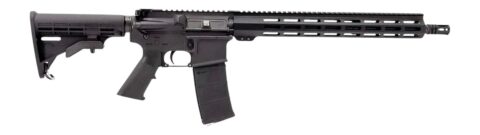
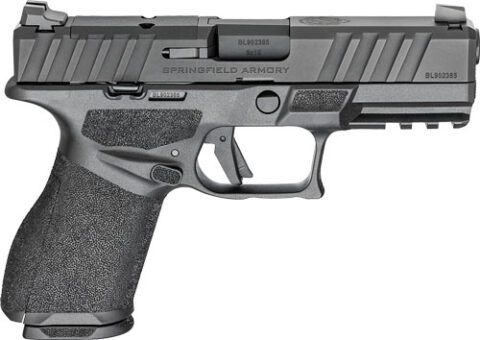
SPRINGFIELD ECHELON ALPHA 9MM – 4″ 15RD BLACK COMPACT FRAME
SPRINGFIELD ECHELON ALPHA 9MM - 4" 15RD BLACK COMPACT FRAME