
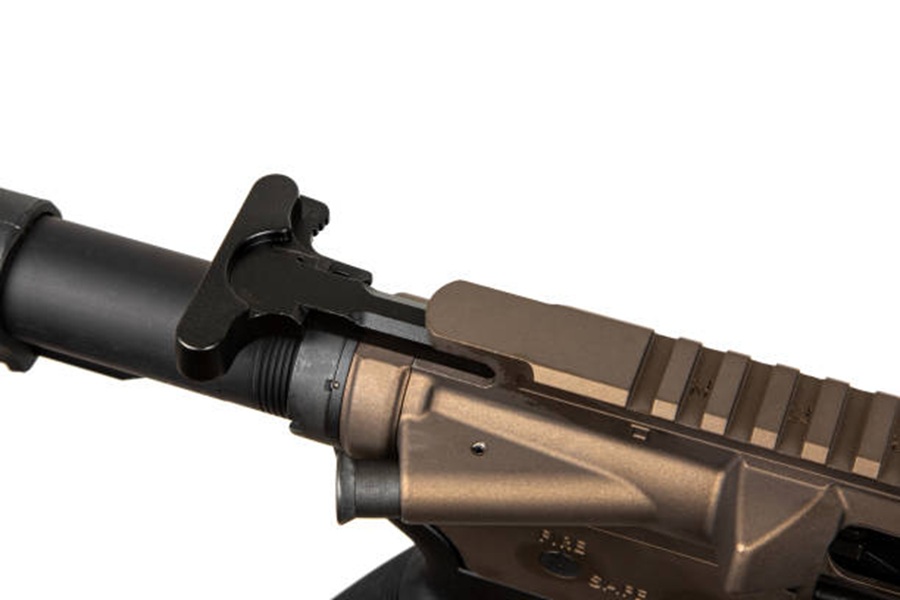
AR-15 Charging Handle Comparison Chart
When it comes to selecting the best AR-15 charging handle, the variety of options on the market can feel overwhelming. To help simplify the process, a comparison chart is an excellent tool for quickly evaluating and contrasting different models based on key features such as material construction, ambidextrous functionality, ease of use, and price. Below is a sample comparison chart showcasing some standout AR-15 charging handles.
| Charging Handle Model | Material | Ambidextrous | Key Features | Price Range ($) |
| BCM Gunfighter Mod 4 | Aluminum Alloy | No | Durable construction, ergonomic | 50–60 |
| Radian Raptor LT | Polymer/Aluminum | Yes | Lightweight, smooth operation | 70–90 |
| Geissele Airborne Charging Handle (ACH) | Aluminum Alloy | Yes | Low-profile design, military-grade | 90–100 |
| Strike Industries ARCH ELITE | Aluminum Alloy | No | Extended latch for better grip | 40–50 |
| Aero Precision Breach | Aluminum | Yes | Modular design, rugged durability | 80–100 |
How to Use This Chart
- Material: Helps determine durability and weight. For a balance of strength and lightness, aluminum alloy is common yet robust.
- Ambidextrous: Left-handed shooters or those who value versatility may prioritize this feature for enhanced ergonomics.
- Key Features: Highlights distinct traits that may appeal to specific users—such as extended latches or low-profile designs.
- Price Range: Affordable options start around $40 while premium models can reach $100+.
By focusing on these parameters when comparing models, you can narrow down your choices to find the ideal charging handle that fits both your usage needs and budget.
Why a Comparison Chart Matters
- New Buyers: A simple way to understand what features matter most.
- Experienced Shooters: Quickly compare upgrades or new releases.
For technical items like AR-15 components, having this side-by-side overview ensures informed decision-making without feeling overwhelmed.
Tip: Once you’ve identified potential options using the chart above, dive deeper into user reviews or firsthand testimonials for more nuanced insights about reliability and performance under various conditions.
How We Tested the Best AR-15 Charging Handles
When it comes to evaluating AR-15 charging handles, ensuring thorough and standardized testing is critical to provide reliable and actionable insights for buyers. Below, we break down how we approached our hands-on testing process to identify the top-performing charging handles on the market.
Key Testing Criteria
- Materials: We analyzed the construction materials, such as aluminum alloys like 7075-T6, for strength and resilience.
- Wear Resistance: Each handle was subjected to repetitive use under high-stress conditions to check for signs of wear or deformation.
- Corrosion Resistance: Handles were exposed to moisture and varying climates to test their ability to resist rust or corrosion.
- Grip Design: We assessed how comfortable and secure the grip felt during operation, even with gloves or wet hands.
- Ambidexterity: Each model was tested by both right- and left-handed shooters for ease of access.
- Force Required: Evaluators measured how much effort was necessary to pull and release the handle under normal shooting scenarios.
- Reliability Test: Handles were cycled repeatedly in rapid-fire situations across different calibers (e.g., .223/5.56 NATO) to evaluate consistency without malfunction.
- Heat Tolerance: Testing included firing extended strings of rounds in quick succession to assess performance under high heat conditions generated by prolonged shooting sessions.
- Sound Signature Analysis: The handles were tested for mechanical noise during operation—important for hunters or tactical users aiming for stealth.
- Optic Clearance: Charging handles were tested with various optics mounted on upper receivers (e.g., magnified scopes, red-dot sights) to ensure proper clearance.
- Suppressor Suitability: For those using suppressed ARs, we checked each handle’s ability to divert gas away from the shooter’s face effectively.
Testing Process Overview
| Phase | Description |
| Initial Inspection | Visual examination of build quality, materials used, and design features. |
| Dry Fire Test | Manual cycling without live ammunition for basic functionality evaluation. |
| Live Fire Scenarios | Tests performed during live firing drills with varied calibers & setups. |
| Environmental Test | Exposure to dirt, sand, rain, and extreme temperatures for reliability checks. |
Standout Features Evaluated
Throughout the testing process, some features consistently stood out across models: – Oversized latches designed specifically for gloved handling. – Gas-busting designs particularly suited for suppressed firearms. – Ambidextrous levers that ensure smooth operation regardless of dominant hand usage.
Why This Approach Matters
This comprehensive methodology ensures that our recommendations are grounded in real-world performance data rather than manufacturer claims alone. By recreating practical use cases—like operating in adverse weather conditions or under rapid-fire pressure—we are able to identify products that not only excel in theory but also deliver exceptional results when it matters most on the range or field.
How We Tested the Best AR-15 Charging Handles
When evaluating AR-15 charging handles, consistency, functionality, and durability are critical factors that separate top-tier options from mediocre ones. Our testing process was designed to simulate real-world use cases, ensuring each charging handle performed reliably in diverse scenarios. Below is an outline of the methods and criteria we used to test the best AR-15 charging handles.
Testing Criteria
- We inspected the materials used in construction (e.g., aluminum grades, coatings) for their ability to withstand wear and tear.
- Stress tests were conducted by simulating frequent use under adverse conditions, including exposure to dirt, debris, and moisture.
- Each charging handle was evaluated for ease of grip and ambidextrous usability.
- Comfort during manipulation was assessed during dynamic shooting drills.
- Handles were subjected to high rates of fire with multiple magazine changes to assess smoothness under rapid cycling.
- We checked for potential malfunctions caused by gas blowback or fouling.
- All handles were tested with common optics setups (e.g., red dots, scopes) to ensure they wouldn’t interfere with mounted accessories or create handling difficulties.
- Installation instructions were followed step-by-step to evaluate how beginner-friendly each handle’s design was.
- Tools required for installation were noted.
Real-World Testing Scenarios
- Urban Environments: Simulated home defense scenarios allowed us to assess speed and efficiency under pressure.
- Outdoor Conditions: Dusty ranges and wet conditions helped us determine resistance to fouling or corrosion over time.
- Range Performance: Long shooting sessions (300+ rounds per session) highlighted heat resistance while maintaining consistent performance.
Key Metrics Tracked
| Metric | What We Measured | Why It Matters |
| Longevity | Resistance against wear from extended use | Predicts long-term reliability |
| Smoothness | Effort required during manual operation | Impacts ease of use |
| Ambidexterity | Compatibility for left- and right-handed users | Ensures versatility |
| Gas Mitigation | Protection against blowback | Improves operator comfort |
| Price-to-Performance | Value based on price versus features | Assesses affordability |
Feedback From Expert Shooters
We collaborated with experienced shooters—including military veterans, law enforcement officers, and competition marksmen—to gather their insights on practical strengths and weaknesses for each charging handle model tested.
Feedback highlights:
– Ambidextrous designs remain crucial for tactical applications where speed matters most. – Extended latch designs provide additional leverage but may snag on gear if poorly designed. – Coating finishes like anodizing or Teflon significantly enhance corrosion resistance.
Thorough testing ensures that every recommendation we provide is anchored in real-world performance data rather than theoretical assumptions or marketing claims. By applying this multi-layered evaluation process, we’ve curated a list of AR-15 charging handles that cater to a wide range of needs while balancing function, form, and budget considerations effectively.
How to Pick the Best AR-15 Charging Handle
Selecting the right charging handle for your AR-15 can make a significant difference in your shooting experience. The charging handle is a critical component that directly affects functionality, ease of use, and durability. Here’s how to evaluate and choose the best option for your needs.
Key Factors to Consider
1. Material and Durability
- Look for charging handles crafted from high-quality materials like 7075-T6 aluminum, which offers excellent strength-to-weight ratio.
- Some premium options feature reinforced designs to withstand heavy use or suppressor-induced gas blowback.
- Avoid handles made from inferior metals or composites that may degrade quickly with repeated use.
2. Ergonomics and Design
- A well-designed charging handle should allow easy manipulation, even with gloves or under stress.
- Ambidextrous models are ideal for left-handed shooters or those who want maximum versatility in tactical scenarios. They let you operate the rifle efficiently from either side without repositioning your grip.
- Enlarged latch handles are great for shooters seeking improved leverage, especially useful in fast-paced environments or when wearing bulky gear.
3. Intended Use
Different scenarios call for different features:
– Competition Shooting: Lightweight models with smooth pull action may provide quicker follow-up shots. – Tactical/Defense Applications: Choose rugged ambidextrous options designed for reliability during high-stakes situations. – Suppressor Use: Select charging handles with gas-busting capabilities that redirect excess gases away from your face.
4. Compatibility With Your Setup
Ensure the charging handle you choose is compatible with your upper receiver and optic setup: – Low-profile optics may benefit from slimline charging handles. – Extended latches can interfere with some configurations; verify clearance before purchasing.
Common Types of Charging Handles
| Type | Best For | Key Features |
| Standard Single-Latch | Casual shooting | Basic operation; affordable |
| Ambidextrous | Tactical shooters | Usable from both sides of the rifle |
| Extended Latch | Glove-friendly operations | Larger latch area; increased leverage |
| Suppressor Optimized | Suppressed shooting setups | Redirects gas blowback away from shooter |
Practical Tips for Selection
- Try Before You Buy: If possible, test different models at a range or ask other shooters about their experiences.
- Set a Budget: High-quality aftermarket charging handles range from $30 to $150+. Determine what fits both your performance needs and budget.
- Check Reviews: User reviews and testing insights can provide valuable information about durability and real-world performance.
- Match Your Mission: Always prioritize features that align with how you plan to use your AR-15—whether it’s casual plinking or professional duty use.
By focusing on these critical factors, you’ll find it easier to choose an AR-15 charging handle tailored to your specific needs while ensuring reliability and enhanced performance over time.
How to Pick the Best AR-15 Charging Handle
Selecting the right AR-15 charging handle may seem simple, but it’s a critical decision that can impact the performance, comfort, and reliability of your firearm. This section will guide you through key factors to consider when choosing a charging handle, helping you make an informed decision tailored to your needs and preferences.
1. Material and Durability
The material of your charging handle plays a pivotal role in its longevity and ability to withstand regular use. Here are common materials to look for:
– 7075-T6 Aluminum: Highly durable, lightweight, and corrosion-resistant—this is the gold standard for most AR-15 components.
– Steel: Heavier than aluminum but offers remarkable strength; generally favored in duty or high-stress environments.
When considering durability, also look for coatings such as anodizing or nitride finishes. These help protect the charging handle from wear and tear over extended use.
2. Latch Type
Charging handles come with varying latch configurations designed for different user needs:
– Standard Latch: Basic and reliable for casual shooting or low-stress environments.
– Extended Latch: Larger surface area allows easier operation, particularly useful with optics that might interfere with grip space. Ideal for tactical users or those wearing gloves during cold weather shooting.
– Ambidextrous Latch: Perfect if you’re left-handed or want flexibility in tactical situations where both hands might be required to operate the rifle efficiently.
If you often train in dynamic scenarios or under time pressure, an extended or ambidextrous latch can significantly enhance usability.
3. User Intent & Shooting Application
Think about how you plan to use your AR-15: – Home Defense: Opt for a robust yet simple design with easy accessibility under stress. – Precision Shooting/Competition: Look for smooth operation with minimal snag risk—smaller latches may be more practical here. – Tactical/Military Use: Ambidextrous handles with rugged builds are preferable due to their flexibility and durability under heavy use.
Your purpose will dictate whether additional features (like gas-busting properties) are necessary.
4. Gas Mitigation
For those using suppressors on their AR platform, gas blowback can become an issue during firing. Many modern charging handles feature gas-deflection channels that redirect exhaust gases away from your face. Some leading options include this feature without sacrificing weight or ergonomics—a valuable consideration if you prioritize comfort while suppressing noise levels.
5. Ergonomics
Comfort matters as much as functionality: – Look for textured grips or grooved latches if you’re often wearing gloves. – Ensure the handle aligns well with any accessories (like optics) mounted on your rifle. – Test whether it feels smooth during repetitive use—rough edges can cause discomfort over time.
6. Budget Considerations
Charging handles vary widely in price—from budget-friendly options perfect for casual range users ($20-$50) to premium-grade models designed for professionals ($70+). Consider how much value additional features (like ambidextrous designs or gas mitigation) bring relative to their cost before making your choice.
| Price Range | Features | Use Case |
| $20-$50 | Standard latch; no frills | Casual shooters |
| $50-$100 | Extended latches; ergonomic touch | Enthusiasts / Tactical users |
| $100+ | Premium materials; ambidextrous | Professional / Suppressor use |
Practical Tip
When selecting an AR-15 charging handle, test a model at a local range if possible before purchasing—or read reviews from trusted sources who’ve tested them firsthand in various scenarios. Small differences like latch size, tension resistance, or grip texture can have a big impact on performance once in active use.
Meet the Experts
When it comes to selecting the best AR-15 charging handles, insights from industry professionals and experienced firearm enthusiasts can make a significant difference. This section introduces you to key contributors in the firearms community whose knowledge and expertise have shaped our understanding of charging handles. Each expert brings a unique perspective rooted in their personal experience, professional background, and dedication to firearm performance and safety.
Industry Professionals
- A mechanical engineer specializing in firearm design for over 15 years.
- Contributed to innovative designs that prioritize reliability for military-grade AR-15s.
- Focuses on ergonomic features like ambidextrous controls and improved latch mechanisms.
Insight: “A high-quality charging handle isn’t just about durability; it’s about how seamlessly it integrates with the shooter’s movements.”
- A certified instructor with real-world experience training law enforcement personnel.
- Expertise in teaching tactical reloads, malfunction clearing, and efficient weapon handling under stress.
Insight: “When choosing a charging handle, think beyond materials—consider how it performs under pressure when seconds count.”
- An experienced marksman competing in 3-Gun competitions for over a decade.
- Offers firsthand knowledge of how aftermarket upgrades like charging handles impact speed and precision on the range.
Insight: “For competitive shooting, a robust handle with an extended latch can save you precious time during transitions.”
Contributions from Enthusiasts
- Founder of an online forum dedicated to AR-15 customization.
- Regularly reviews aftermarket parts, including charging handles, based on feedback from dozens of users.
- Decorated military veteran who collects rare AR-15 components.
- Brings historical context to discussions about innovations in charging handle designs.
Key Takeaways from the Experts
| Consideration | Why It Matters |
| Build Quality | Ensures longevity despite frequent use. |
| Ergonomics | Reduces strain during repetitive actions. |
| Ambidextrous Features | Critical for left-handed shooters or tactical applications where flexibility is key. |
| Stress Testing | Handles must perform reliably under adverse conditions such as dirt or moisture buildup. |
By integrating insights from these experts into your purchasing decision process, you’ll be better equipped to select an AR-15 charging handle that aligns with your unique needs—be it for hobby shooting, tactical applications, or competitive sports. Their combined expertise underscores the importance of balancing usability with reliability when investing in this critical firearm component.

SAVAGE ARMS 110 ULTRALITE 300WSM CAR LH #
SAVAGE ARMS 110 ULTRALITE 300WSM CAR LH #
SAVAGE ARMS 110 ULTRALITE 30-06 CARBON LH#
SAVAGE ARMS 110 ULTRALITE 30-06 CARBON LH#