
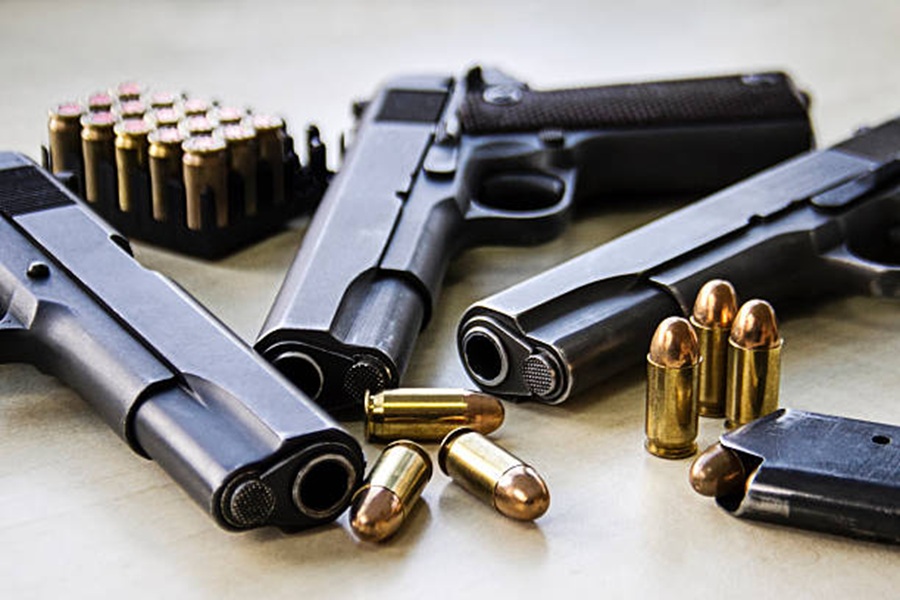
Budget Handguns Comparison Chart
When shopping for a budget-friendly handgun, organizing information into a clear comparison chart can help narrow down your options. Below is an example of how to structure and analyze different models based on critical factors such as price, caliber, weight, capacity, and reliability. This approach ensures you make an informed decision while balancing quality and affordability.
Key Features to Compare:
When evaluating budget handguns, prioritize these factors:
– Price: Look for handguns typically priced under $500 that offer good value.
– Caliber: Choose a caliber that suits your needs (e.g., 9mm for general use or .22 LR for beginners).
– Capacity: Consider the magazine size and the number of rounds it holds.
– Weight & Size: Ensure the handgun fits comfortably in your hand and meets your portability requirements.
– Reliability & Build Quality: Look for models with consistent performance and durable materials.
| Model | Price Range | Caliber | Weight (oz) | Capacity | Notable Feature |
| Smith & Wesson SD9VE | $350-$400 | 9mm | 22.4 | 16+1 | Ergonomic grip design |
| Ruger LCP II | $300-$350 | .380 ACP | 10.6 | 6+1 | Compact & lightweight |
| Taurus G3c | $250-$300 | 9mm | 22 | 12+1 | Great trigger response |
| Glock 43X | $450-$500 | 9mm | 18.7 | 10+1 | Slim design for carry |
| Canik TP9SF | $400-$450 | 9mm | 28 | 18+1 | Excellent factory sights |
Tips for Using Comparison Charts:
- Narrow Down Options: Use the chart to identify handguns that fit your budget and practical needs.
- Consider Accessories: Some models may include extras like additional magazines or holsters.
- User Reviews: Once you identify potential choices, research user feedback on reliability and performance.
Why Charts Are Useful
Comparison charts streamline decision-making by displaying critical data at a glance. For readers new to firearms or those exploring budget-friendly options without sacrificing quality, organized information ensures clarity in what can otherwise be an overwhelming market.
By carefully comparing essential features through this methodical approach, you can confidently select a handgun that meets both your financial limits and practical requirements without compromise.
How We Tested the Best Budget Handguns
Testing Criteria
- Each handgun was tested at 7 yards and 15 yards to measure precision.
- Shooters of varying skill levels participated to assess how forgiving the firearm was for beginners compared to experienced users.
- We fired hundreds of rounds from each model using different brands and types of ammunition (e.g., full metal jacket and hollow points). This ensured we could identify issues like jams or failure-to-feed problems.
- The firearms were also subjected to light wear-and-tear scenarios like dirt exposure to test their durability under less-than-ideal conditions.
- Grip comfort was evaluated with small, medium, and large hand sizes accounted for.
- Intuitive placement of controls (e.g., safety switches, slide release) was considered important for ease of use in high-stress situations.
- Weight balance during extended firing sessions was assessed—particularly important in budget models where construction materials may differ.
- We compared features such as capacity, sights, safety mechanisms, and trigger quality against the price point of each handgun.
- A special focus was placed on ensuring that “budget” firearms didn’t compromise excessively on safety or durability.
- Each handgun underwent a basic field-stripping procedure to determine how easily it could be disassembled for cleaning by an average user.
- Availability of replacement parts and aftermarket upgrades was also taken into consideration.
Test Process Breakdown
| Test Type | Methodology | Key Metrics Collected | Example Results |
| Accuracy | Fired at 7- & 15-yard targets | Group size (in inches) | E.g., 2-inch group at 7 yds |
| Reliability | 500+ rounds across multiple ammo brands | Malfunctions per round count | E.g., 1 failure per 200 rounds |
| Ergonomics | User feedback during live-fire session | Comfort rating (1-10) | E.g., Avg score: 8/10 |
| Maintenance Ease | Field strip timing by novice testers | Time (seconds), Tool requirements | E.g., Avg time: <60 seconds |
Key Observations During Testing
- Many budget handguns performed better than expected when it came to accuracy at close ranges (e.g., self-defense distances). However, accuracy often diminished when extended to longer distances due to basic factory sights or heavier triggers typical in lower-cost models.
- Polymer-framed models tended to be lighter and easier to handle but sometimes felt less sturdy compared to steel-framed counterparts.
- Some handguns required more frequent cleaning after prolonged use due to carbon buildup from cheaper ammunition—a factor worth considering if cost-effective ammo is a priority.
Practical Tips Based on Testing
- Look for models with adjustable sights if you plan on improving your shooting skills over time—fixed sights can limit precision adjustments.
- Consider pistols with simple takedown mechanisms; this will make maintenance considerably easier for new gun owners.
- Test various grips before purchase; many budget options now come with interchangeable backstraps or textured grips that enhance comfort without added cost.
By thoroughly testing each model under real-world conditions, we’ve ensured these recommendations are reliable whether you’re a first-time buyer or an experienced shooter looking for an affordable option that doesn’t compromise functionality or safety.
How We Tested the Best Budget Handguns
Testing Methodology
1. Range Performance
Each handgun was put through rigorous range testing to assess accuracy, reliability, ease of use, and ergonomics. Key factors during range tests included:
– Accuracy: Each firearm was shot at distances typically encountered for personal defense scenarios (7 yards, 10 yards, and 15 yards). Grouping sizes were measured to evaluate precision.
– Reliability: A variety of ammunition types (including full metal jacket and hollow-point rounds) were used to test feeding, firing, and ejection without malfunction across 200+ rounds per handgun.
2. Build Quality & Durability
We carefully inspected the construction materials and overall craftsmanship of each handgun. Specific elements examined included:
– Frame material (polymer vs. metal)
– Slide finish durability after repeated firing cycles
– Wear patterns on critical components like barrel throats and guide rods
3. Ergonomics & User Experience
Budget firearms often vary significantly in terms of ergonomics and usability. Testers with different hand sizes handled each handgun to evaluate:
– Grip comfort (with or without aftermarket grips)
– Ease of reaching controls like slide releases or magazine releases
– Trigger feel (weight, travel distance, smoothness)
4. Concealability
For those specifically looking for concealed carry options in the budget category, we assessed size dimensions and weight-to-capacity ratios. For example:
| Handgun Model | Total Weight | Magazine Capacity | Concealability Rating | |——————|————–|——————-|———————–| | Model A | 20 oz | 10+1 | Easy | | Model B | 25 oz | 12+1 | Moderate |
Factors Considered During Evaluation
- Price-to-value ratio: Does this gun offer high utility compared to similarly priced alternatives?
- Maintenance simplicity: Is disassembly/reassembly straightforward for cleaning? Are parts commonly available?
Real-world Scenarios Simulated
To ensure more than just static testing at the range: – Simulated real-world drills such as drawing from holsters were performed. – Stress-testing involved rapid fire sessions with minimal cool-down periods between magazines.
This testing protocol provided us with a clear picture of what these budget firearms can offer—ensuring they meet safety standards while delivering performance suitable for their intended purposes.
Pros & Cons
When deciding on a budget handgun, it’s essential to weigh the advantages and disadvantages of owning firearms in this category. While budget handguns can be an excellent entry point for new shooters or those looking to save money, they come with their own set of strengths and limitations. Here’s a breakdown to help you make an informed decision.
Advantages of Budget Handguns
- Cost-Effectiveness
Budget handguns are more affordable compared to high-end models, making them ideal for buyers on a tight budget or first-time firearm owners who may not want to invest heavily upfront. - Accessibility
Many budget-friendly firearms are widely available at retailers, meaning you won’t have difficulty locating one either online or in stores. They often offer good quality at reasonable prices. - Ease of Use
Most handguns in the budget range are designed with simplicity in mind. This means fewer complicated features, which makes them user-friendly for beginners who might find advanced mechanisms overwhelming. - Practicality for Self-Defense
While lacking some premium features, many affordable handguns perform reliably enough for home defense or concealed carry purposes without requiring a significant financial commitment. - Lower Maintenance Costs
Cheaper guns typically feature materials like polymer frames that are durable and require less ongoing maintenance compared to higher-end finishes such as stainless steel.
Disadvantages of Budget Handguns
- Compromised Build Quality
Lower manufacturing costs may lead to compromises in material quality and craftsmanship. This often results in shorter lifespans, more frequent malfunctions, or reduced accuracy over time. - Less Customization Options
Unlike their premium counterparts, budget handguns often lack aftermarket accessories or upgrade options (e.g., improved sights, grips). Shooters looking to enhance performance may face limited choices. - Reduced Aesthetic Appeal
Higher-end models tend to focus on sleek design and refined finishes. Budget handguns prioritize function over form, which might be less appealing if aesthetics matter significantly to you. - Potentially Limited Durability Under Heavy Use
If you’re planning high-volume shooting sessions (such as for competitive sports), most budget firearms might not withstand extensive wear and tear as effectively as pricier alternatives.
Considerations Before Purchasing
| Factor | What To Look For |
| Purpose | Will this gun be used for self-defense, target shooting, or occasional use? |
| Reliability | Research reviews from reputable sources about the model’s reliability record. |
| Ease of Repair | Check if spare parts are readily available should repairs become necessary. |
| Brand Reputation | Established manufacturers often offer better warranties even for affordable models. |
By carefully considering these pros and cons alongside your individual requirements and experience level, you’ll be better equipped to choose the right handgun that strikes a perfect balance between affordability and functionality without compromising safety or performance.
Pros & Cons
When considering budget handguns, it’s crucial to weigh the pros and cons to determine which firearm aligns with your needs. While affordability is a key factor, there are other important aspects—such as reliability, ease of use, and long-term value—to keep in mind. Below is an overview of the advantages and disadvantages you might encounter when purchasing a budget-friendly handgun.
Pros of Budget Handguns
- Affordability
One of the most obvious benefits is the lower price point. Budget handguns are ideal for first-time buyers, those on tight budgets, or anyone looking for a backup firearm without overspending. - Wide Variety of Options
Despite being affordable, budget handguns are available in various calibers, sizes, and designs. From compact concealed carry pistols to full-size models for home defense or range use, there is no shortage of choices. - Ease of Use
Many budget-friendly firearms come with simple mechanisms that make them beginner-friendly. This can be great for users who might feel intimidated by more complex or high-end models. - Accessible Maintenance
Most affordable handguns rely on proven designs and materials that make them easier (and cheaper) to maintain. Replacement parts are typically more readily available compared to niche or premium brands. - Good Enough for Casual Use
For occasional trips to the range or as a personal defense firearm that won’t see heavy or regular use, many budget handguns perform adequately without requiring extensive investment.
Cons of Budget Handguns
- Potential Trade-Offs in Build Quality
To meet lower price points, manufacturers may use less expensive materials like polymer (instead of steel) or reduce precision machining in certain areas. This could impact durability over time. - Limited Features
While functional, budget firearms often lack advanced features such as adjustable sights, ergonomic grips, or customizability options found in higher-end models. - Reliability Concerns Under Heavy Use
Some affordable firearms may show wear-and-tear faster than premium handguns when subjected to frequent firing sessions or rough conditions. Misfires or jams could occur more often with poorly manufactured models. - Resale Value
Budget firearms typically depreciate faster than their higher-priced counterparts. If you plan to sell your handgun later on, it may not hold its value well compared to mid-range or premium brands.
Quick Comparison Table: Pros vs Cons
| Aspect | Pros | Cons |
| Price | Affordable | May compromise on materials/build |
| Variety | Plenty of options for various needs | Fewer advanced features |
| Ease of Use | Simple mechanisms good for beginners | Limited ergonomics/customizability |
| Reliability (Light Use) | Performs adequately under casual conditions | Heavy use may reveal flaws |
| Maintenance/Parts | Accessible and low-cost | Long-term durability can be questionable |
Tips When Considering Trade-Offs
- Research user reviews specific to the model you’re interested in.
- Prioritize reliability over aesthetics if you’re looking for self-defense.
- Consider testing out similar models at a gun range before purchasing.
- Balance cost savings with potential upgrades—sometimes spending slightly more will yield better long-term performance without breaking your budget.
By understanding these pros and cons ahead of time, you can feel confident when selecting an affordable handgun that meets both your needs and expectations effectively.
Pros & Cons
When evaluating budget handguns, understanding the pros and cons of these firearms is vital for making an informed decision. Budget-friendly options often aim to balance cost efficiency with performance, but like any purchase, they come with specific advantages and trade-offs. Below is a breakdown of the major pros and cons associated with budget handguns.
- Budget handguns are significantly less expensive than premium models, making them accessible to a wider range of buyers.
- Ideal for those new to firearms or those looking for a backup handgun without breaking the bank.
- Many budget models are straightforward in design, which can be beneficial for beginners who want an easy-to-use firearm.
- Modern manufacturing techniques allow even lower-priced handguns to offer solid reliability and accuracy suitable for self-defense or recreational shooting.
- The market has seen an increase in high-quality budget firearms from reputable manufacturers offering multiple calibers and designs to suit different needs.
- For those unsure about long-term firearm ownership or usage, budget options provide an entry point without large financial commitment.
- Lower-priced materials are often used in construction (e.g., polymers over metals), which may impact the long-term durability of the handgun.
- Budget guns often lack advanced features such as customizable grips, optics-ready slides, or high-capacity magazines found in more expensive models.
- While many budget handguns perform well under normal conditions, they may not handle extensive use or adverse environments as reliably as higher-end counterparts.
- Cheaper firearms typically have lower resale value compared to premium brands due to brand perception and wear over time.
| Key Aspect | Pros | Cons |
| Price | Affordable entry-level cost | Lower resale value |
| Durability | Suitable for moderate use | May wear out faster |
| Features | Simple and easy-to-use design | Fewer advanced features |
| Performance | Reliable under standard conditions | Potential issues under heavy use |
By weighing these factors, buyers can determine whether a budget handgun aligns with their specific needs. While these firearms may not match the high-end models in terms of durability or features, they provide good value for money and adequate performance for most casual shooters or individuals seeking basic self-defense tools.

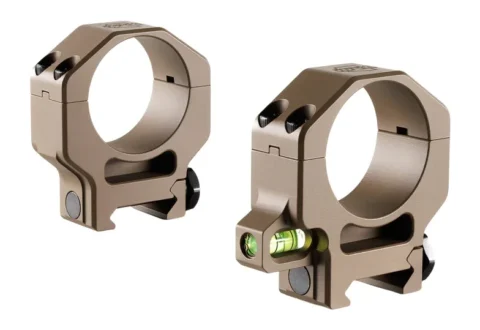
RPM CLR-35100-FDE PRECISION 35MM MEDIUM 1.00″
RPM CLR-35100-FDE PRECISION 35MM MEDIUM 1.00"