
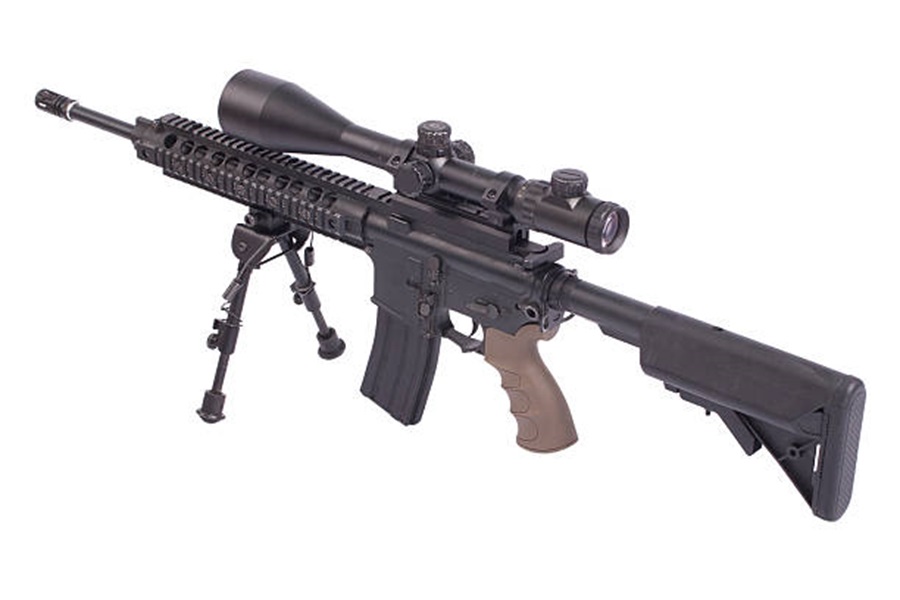
How We Chose The Best AR-10 Stocks
Testing Criteria
- Durability: Materials used, resistance to wear, and ability to handle heavy use over time.
- Adjustability: Customization options such as length of pull (LOP), cheek weld positioning, and fit adaptability for different shooters.
- Weight: A balance between sturdiness and lightweight construction for ease of movement without compromising stability.
- Ergonomics: Comfort during extended periods of use, including recoil management and overall feel in hand or on the shoulder.
- Aesthetics: While performance is key, how a stock looks can influence whether or not it fits your setup preferences.
Hands-On Testing Process
- Stocks were mounted on AR-10 platforms and tested in real-world shooting scenarios ranging from benchrest shooting to dynamic field exercises.
- We evaluated performance under different conditions like extreme heat, cold, rain, or dusty environments where an AR-10 might typically be used.
- Recoil absorption was observed during repeated firing sessions with various calibers commonly associated with AR-10 rifles (e.g., .308 Winchester).
- Comfort levels were assessed after prolonged use over multiple hours.
- Adjustability features like collapsible components or cheek risers were inspected for ease of operation and precision alignment.
- Compatibility with aftermarket accessories such as slings or bipods was also checked.
User Feedback Integration
To ensure we didn’t overlook any critical aspects, we consulted experienced shooters—ranging from hunters to competition marksmen—to gather insights into their real-world experiences with these stocks.
Why This Matters
Choosing the right stock for your AR-10 rifle can significantly impact your accuracy, comfort during operation, and overall shooting experience. By basing our selection on objective tests coupled with expert opinions, we’ve ensured that every option listed represents a top-tier choice for enthusiasts across skill levels.
This structured approach allows us to present recommendations you can trust while helping you make an informed purchase decision tailored specifically to your needs—whether you’re looking for something lightweight yet durable or highly adjustable for maximum customization flexibility.
Research & Market Analysis
We began by conducting in-depth research to identify popular and highly rated AR-10 stocks currently available on the market. This process involved analyzing reviews, forums, and discussions within the firearm community to understand which options are frequently recommended and why.
Key considerations during this phase included:
– Popularity among experienced users
– Manufacturer reputation for quality and innovation
– Availability across major retailers
Hands-On Testing
After narrowing down our list of potential candidates, we acquired the top-rated stocks for hands-on field testing. This process was crucial to provide practical insights into their performance under real-world conditions. Each stock was tested for:
– Ease of installation on various AR-10 platforms
– Adjustability options (e.g., length of pull, cheek weld positions)
– Durability against recoil and environmental factors such as dirt, moisture, or extreme temperatures
Evaluation Criteria
| Criteria | What We Looked For |
| Build Quality | Durable materials like aircraft-grade aluminum or reinforced polymer construction |
| Ergonomics | Comfort during extended shooting sessions; effective cheek weld design |
| Weight | Lightweight options that balance maneuverability with stability |
| Customization Options | Compatibility with accessories (e.g., sling mounts or additional rails) |
| Value For Money | Competitive pricing relative to features offered |
Real User Feedback Integration
In addition to our direct testing efforts, we incorporated feedback from verified users who have extensive experience with specific AR-10 stocks. This helped us identify long-term performance trends that might not emerge during short-term testing sessions.
Elimination Process
Finally, any stock that failed under rigorous testing or didn’t meet essential criteria—such as reliability under high stress—was removed from consideration. While some products featured impressive marketing claims, their real-world functionality determined whether they earned a spot on our final list.
By following this systematic process, we ensured that every recommendation is well-informed and tailored toward providing both novice and experienced shooters with reliable solutions for optimizing their firearms’ performance.
How To Choose The Best AR-10 Stock
Selecting the right AR-10 stock is a critical step in optimizing your rifle’s performance, comfort, and usability. With so many options available, it’s important to understand what features and factors to consider to make an informed decision. Below is a comprehensive guide to help you choose the best AR-10 stock based on your specific needs.
Key Factors to Consider
- Stocks are typically made from materials such as polymer, aluminum, or composite blends. Polymer stocks are lightweight and affordable but may lack the ruggedness of aluminum or composite materials.
- Opt for durable materials if you plan on using your rifle in harsh conditions or frequent shooting sessions.
- Some stocks feature adjustable cheek rests and lengths of pull (LOP), allowing for a more customized fit. This is especially useful if multiple shooters will be using the rifle or if you’re wearing gear like body armor that affects shooting posture.
- Fixed stocks are simpler and often more robust but may lack versatility in terms of fit.
- A lighter stock can reduce overall rifle weight, making it easier to carry for extended periods—ideal for hunters or long-range shooters who prioritize mobility. However, ultra-lightweight models might sacrifice durability or recoil control.
- Look for features like textured grips, rubberized butt pads, or rounded edges that enhance comfort during prolonged use.
- Cheek weld positions should feel natural when aiming down sights or through optics.
Categories of AR-10 Stocks
| Type | Features & Benefits | Ideal For |
| Fixed Stocks | Simple design; minimal moving parts; rugged | Precision shooters; durability-focused users |
| Adjustable Stocks | Customizable LOP and cheek rest | Multi-user setups; tactical applications |
| Collapsible Stocks | Compact storage; easy transport | Tactical users; portability-focused setups |
| Precision Stocks | Designed for accuracy with advanced stability features | Long-range competition shooters |
Compatibility with Accessories
- Ensure it fits your buffer tube (mil-spec vs commercial spec). Misalignment can cause functional issues during assembly.
- Some stocks offer built-in QD sling mounts or Picatinny rail sections for attaching accessories like monopods or slings.
- If you plan to mount additional equipment (e.g., bipods), ensure the stock provides sufficient attachment points.
Practical Tips for Choosing
- Test Fit Before Purchase: Whenever possible, handle the stock in person before buying. Assess how it feels against your shoulder and whether adjustments are intuitive.
- Evaluate Your Shooting Style: A precision shooter prioritizing stability will have different needs than someone building a lightweight hunting rifle.
- Consider Budget vs Features: While high-end stocks often offer advanced features, there are also budget-friendly options that still provide great performance depending on your requirements.
By carefully evaluating these factors and understanding how they align with your goals as a shooter, you’ll be better positioned to select an AR-10 stock that meets both practical needs and personal preferences without compromise.
How To Choose The Best AR-10 Stock
1. Understand Your Purpose
The intended use of your AR-10 plays a significant role in choosing the right stock. Think about how you plan to utilize your rifle: – Hunting: Opt for lightweight stocks for easier carrying over long distances. – Precision Shooting: Consider adjustable stocks that allow for fine-tuning cheek height and length-of-pull. – Tactical/Defense Use: Durable, collapsible stocks are a popular choice for quick mobility and adaptability.
2. Material and Durability
The material of the stock impacts its durability, weight, and resistance to environmental factors: – Polymer Stocks: Lightweight yet durable; excellent for all-weather use. – Aluminum Stocks: Provide exceptional strength but may add extra weight. – Hybrid Designs: Combine materials like polymer with metal reinforcements for a balance of weight and sturdiness.
3. Adjustability Features
Modern AR-10 stocks often come with adjustable features to enhance ergonomics: – Length-of-Pull (LOP): Adjustable LOP ensures comfort for shooters with varying arm lengths or wearing different gear (e.g., body armor). – Cheek Riser Adjustments: Helps in achieving proper eye alignment with optics.
Example Table: Comparison of Key Adjustability Features
| Feature | Purpose | Ideal For |
| Length-of-Pull | Accommodates shooter’s arm length | Versatility |
| Cheek Riser Height | Aligns eyes with optics | Precision Shooting |
| Folding Mechanism | Compact storage & transport | Tactical Applications |
4. Weight Considerations
Weight plays an essential role in maneuverability and comfort: – Lightweight stocks: Perfect if you want ease of carry during long treks or hunts. – Heavier stocks: Ideal when stability is critical, such as in benchrest shooting scenarios.
5. Compatibility With Accessories
Ensure the stock you select supports any additional accessories or upgrades you plan to use: – Some stocks include integrated sling mounts or QD points for attachments. – Others have modular designs allowing compatibility with monopods or butt pads.
6. Aesthetics and Personal Preference
While functionality takes precedence, a stock that visually complements your firearm can improve overall satisfaction. Many manufacturers offer multiple finishes and colors (e.g., black, OD green, FDE) to match personal style.
By carefully assessing these factors—intended use, material quality, adjustability, weight balance, compatibility with attachments—you can find an AR-10 stock that perfectly meets your requirements while enhancing overall shooting performance. Taking time to research options ensures an informed purchase tailored specifically to your needs.
Other Relevant Information
When discussing AR-10 stocks, there are several key factors and additional considerations that may not fit neatly into other categories but are essential for making an informed decision. This section covers some of the finer details and practical advice that can help you maximize your experience with your AR-10 rifle.
Adjustability Matters
One of the standout features in modern AR-10 stocks is adjustability. Depending on your shooting style and physical build, having a stock that can be customized to fit you makes a significant difference. Pay attention to:
– Length of Pull (LOP): A stock with adjustable LOP ensures a proper fit for different arm lengths or shooting stances.
– Cheek Riser Height: Stocks with adjustable cheek risers allow you to align your eye perfectly with the scope or iron sights, improving accuracy and comfort.
– Buttpad Positioning: Adjustable buttpad height or angle ensures better shoulder contact during extended shooting sessions.
Build Materials and Durability
| Material | Key Benefits | Drawbacks |
| Polymer/Composite | Lightweight, corrosion-resistant | May flex under heavy recoil |
| Aluminum Alloy | Rugged, durable, precise machining | Heavier than polymer |
| Carbon Fiber | Ultra-lightweight and strong | Higher cost |
Each material has its pros and cons depending on the intended use of your rifle (e.g., long-range precision vs. tactical applications).
Weight Distribution
While focusing solely on the stock weight might seem logical for portability, consider how it balances with the rest of your rifle setup. A well-balanced rifle reduces fatigue during extended use and improves handling:
– For heavier barrels or optics setups, a slightly heavier rear stock may help maintain balance. – Lightweight builds might benefit from minimalist stocks to prioritize maneuverability.
Sling Mount Options
If you plan to use a sling for carrying or stabilizing your rifle during shooting drills, ensure the stock has built-in sling attachment points such as:
– QD (Quick Detach) Sockets: Convenient for rapidly attaching/detaching slings. – Traditional Slots or Loops: Work well for fixed sling setups without needing additional hardware.
Having flexible sling mount options increases versatility in various shooting environments—whether you’re hunting in rugged terrain or practicing drills at the range.
Compatibility With Buffer Systems
Not all AR-10 stocks fit every buffer tube system due to variations between carbine-length and rifle-length buffer setups. Confirm whether your chosen stock is compatible with either:
– Mil-spec buffer tubes (more common)
– Commercial-spec buffer tubes (slightly larger diameter)
Mistaking one for the other can result in improper fitment or malfunctioning of your firearm.
Aftermarket Accessories
Modern AR platforms allow extensive customization through aftermarket accessories designed specifically for stocks:
1. Rubberized buttpads add cushioning against recoil impacts—particularly helpful if you’re running high-caliber rounds. 2. Add-on monopods improve support during long-range precision shooting. 3. Storage compartments embedded in certain stocks provide space for small tools like Allen wrenches or extra batteries for optics.
Maintenance Tips
Lastly, keep maintenance in mind when selecting an AR-10 stock: – Choose materials that resist corrosion if you’ll frequently be using the rifle outdoors. – Regularly check screws and fasteners on adjustable stocks to ensure everything remains tight after repeated use.
By considering these additional elements alongside aesthetic appeal and basic functionality, you’ll ensure your chosen AR-10 stock checks every box needed to enhance performance while meeting personal preferences effectively.
Other Relevant Information
When selecting an AR-10 stock, it’s essential to consider additional factors that go beyond the core features and specifications. These considerations can significantly impact your overall experience, ensuring comfort, reliability, and performance in different scenarios. Below is a breakdown of these key factors to help provide a holistic understanding of what makes a stock truly suitable for your AR-10 platform.
Material and Build Quality
The material and construction of an AR-10 stock play a critical role in its durability and usability. Here’s what to look for:
– Polymer Stocks: Lightweight yet robust, polymer stocks are weather-resistant and able to withstand rough handling without significant wear or breakage. – Aluminum Stocks: Offer superior durability with a slightly heavier profile. Ideal for users who prioritize ruggedness over weight savings. – Adjustable vs. Fixed Designs: Look for stocks with high-quality locking mechanisms if you choose adjustable options; poorly constructed locks can loosen over time.
Weight Considerations
When configuring your rifle setup, the weight of the stock can influence handling and overall balance: – A lightweight stock is excellent for hunters or those using their rifle in mobile scenarios. – A heavier stock may be preferred for bench shooting or precision applications where stability outweighs portability.
Tip: Strike a balance between weight reduction and durability based on your intended use case.
Ergonomics
Comfort plays a huge role in how well you perform with your rifle over extended periods of use. Pay attention to: – Cheek Rests: Does the stock provide an adjustable cheek rest? This feature ensures proper alignment with optics while improving comfort. – Length of Pull (LOP): Adjustable LOP allows customization based on body size, clothing layers (e.g., body armor), or shooting stances. – Recoil Pads: Integrated recoil pads can reduce felt recoil, which is particularly important during long range sessions.
Compatibility With Buffer Tubes
Understanding compatibility between your AR-10 receiver extension type (buffer tube) and the selected stock is crucial: – Mil-Spec vs. Commercial Buffer Tubes: Mil-spec tubes have narrower dimensions when compared to commercial tubes. Ensure your chosen stock fits the correct tube type for seamless installation.
| Buffer Tube Type | Outer Diameter | Key Details |
| Mil-Spec | 1.148” | Standardized dimensions used by most manufacturers |
| Commercial | 1.168” | Slightly larger diameter; less common but still widely available |
Budget-Friendly Alternatives
If price is a concern, there are several high-quality budget options available: 1. Magpul MOE Stock – Affordable yet highly durable polymer design suitable for various needs. 2. Mission First Tactical Minimalist Stock – Lightweight option at an entry-level price point without sacrificing reliability.
Additional Upgrades & Accessories
To further enhance performance: – Add sling attachment points like QD mounts if not included. – Consider rear monopods or enhanced buttplates for stability during precision shooting.
By factoring in these additional considerations alongside primary features like adjustability or aesthetics, you’ll ensure that every aspect of your chosen AR-10 stock aligns with both technical requirements and personal preferences.
How To Choose The Best AR-10 Stock
Selecting the right AR-10 stock is critical for enhancing your rifle’s performance, comfort, and overall shooting experience. With a variety of stocks available, understanding key factors can help you make an informed decision tailored to your needs. Below, we’ll break down essential considerations to guide your choice.
Material and Construction
The material of an AR-10 stock plays a major role in its durability and weight. Here are some common materials to evaluate:
– Polymer: Lightweight, durable, and weather-resistant. Polymer stocks are highly popular for their blend of strength and affordability.
– Aluminum: Known for its ruggedness and resistance to damage, aluminum stocks provide excellent stability but may add extra weight.
– Composite: Combines multiple materials for optimal strength-to-weight ratio while offering improved comfort.
When selecting a material, think about how you’ll use the rifle—lightweight polymer might be better for long treks or hunts, while aluminum offers toughness in tactical applications.
Adjustable vs Fixed Stocks
There are two primary types of stocks to consider: adjustable (collapsible) or fixed. Each has distinct advantages depending on your shooting style and needs.
Adjustable/Collapsible Stocks:
– Offers flexibility by allowing users to modify the length of pull (LOP).
– Ideal for shooters wearing body armor or those with varying arm lengths. – Example: Magpul PRS Gen3 is adjustable with precision adjustments for comb height and LOP.
Fixed Stocks: – Provides robust stability due to their single-piece design. – Often preferred by marksmen who prioritize accuracy over versatility.
Choose adjustable if comfort across scenarios is key or fixed if you’re focused on consistency.
Ergonomics and Comfort
Comfort matters significantly during extended shooting sessions. Look for features such as:
1. Cheek Riser Adjustments: These allow better alignment with optics ensuring a repeatable cheek weld position. 2. Rubber Butt Pads: Reduce recoil impact on the shoulder improving endurance during prolonged firing. 3. Grip Texture: A textured surface prevents slipping when moisture or sweat is present.
Weight Considerations
Weight affects handling ease and fatigue levels during long shoots or hunting trips: – Lightweight options enhance mobility, particularly useful in dynamic settings like competitions. – Heavier stocks stabilize shots but may feel cumbersome after sustained use.
Comparing weights side by side can give clarity when choosing between two otherwise similar models.
| Weight Range | Best Use Case |
| Under 1 lb | Lightweight field/hunting builds |
| 1–2 lbs | Versatile setups with balance in mind |
| Over 2 lbs | Precision or benchrest shooting |
Compatibility with Accessories
Ensure that your chosen stock accommodates additional accessories needed for customization: – Sling mounts (QD points) – Bipod attachments – Battery storage compartments (for night vision/optics)
Choosing a stock designed with modularity ensures it meets both current demands while leaving room future upgrades possible .
Price vs Performance
Finally remember good investment will positively impact long term-experience Saving costs upfront doesn’t guarantee satisfaction.

Andro Corp Industries 55616BB ACI-15 Bravo 5.56 NATO 30+1 16″
Andro Corp Industries 55616BB ACI-15 Bravo 5.56 NATO 30+1 16" Black Nitride Threaded Barrel, Black Anodized…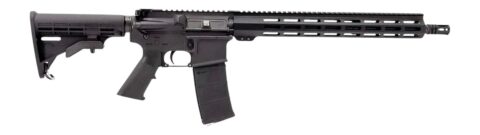
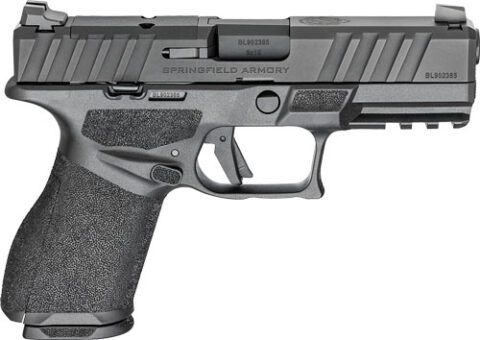
SPRINGFIELD ECHELON ALPHA 9MM – 4″ 15RD BLACK COMPACT FRAME
SPRINGFIELD ECHELON ALPHA 9MM - 4" 15RD BLACK COMPACT FRAME