
Comparing 9mm vs .45 ACP
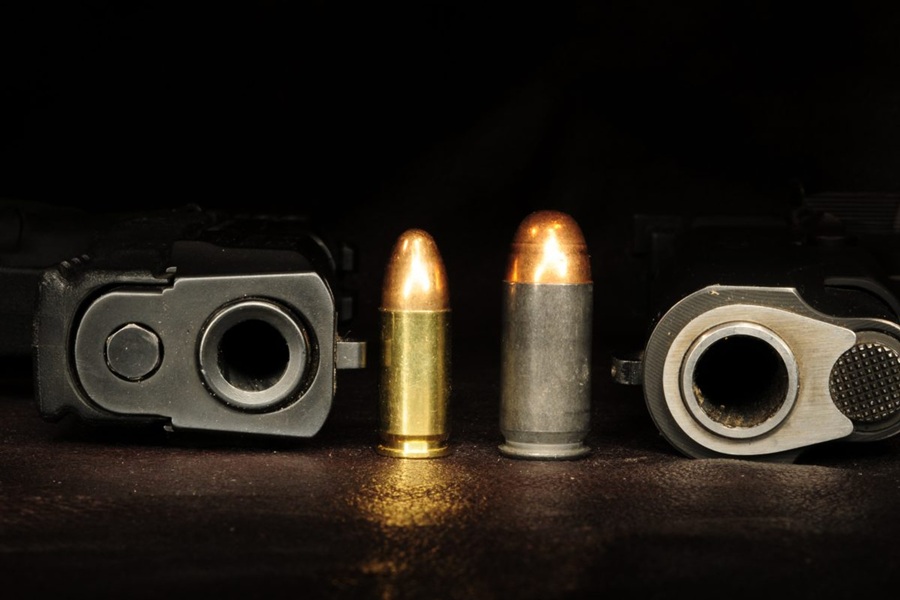
The debate between the 9mm and .45 ACP calibers is one of the most enduring in firearm history, with enthusiasts, law enforcement, and military personnel often finding themselves on opposing sides. Both calibers have distinct characteristics that cater to different needs, preferences, and situations. Understanding their unique attributes can help shooters make an informed choice.
Key Differences at a Glance
| Feature | 9mm | .45 ACP |
| Bullet Diameter | 9mm (0.355 inches) | .45 ACP (0.451 inches) |
| Muzzle Velocity | ~1,100-1,300 feet per second | ~850-1,150 feet per second |
| Recoil | Moderate | Higher |
| Magazine Capacity | Higher (15-20 rounds typical) | Lower (~7-10 rounds typical) |
| Penetration | Deeper penetration | Greater stopping power |
Each caliber has strengths that make it suitable for different applications. The choice ultimately depends on individual priorities like capacity, power, or ease of control.
Use Cases of Each Caliber
- Preferred for home defense due to manageable recoil.
- Commonly used by law enforcement and military agencies because of larger magazine capacities.
- Ideal for beginners or those seeking affordable practice ammo.
- Favored by shooters looking for sheer stopping power.
- Often chosen for personal defense in urban settings where overpenetration is a concern.
- Appreciated by experienced shooters comfortable with its heavier recoil.
Historical Overview
The debate stems partly from each caliber’s historical roots:
– The 9mm Parabellum, developed in Germany in the early 1900s by Georg Luger, became one of the most widely adopted calibers worldwide due to its balance of performance and capacity.
– In contrast, the .45 ACP, introduced by John Browning in 1905, gained fame as the standard cartridge for American military sidearms during both World Wars thanks to its heavy-hitting capabilities.
This historical divide helps explain some of the loyalty surrounding each round today.
Key Considerations Beyond Specs
- Generally speaking, factory-loaded 9mm ammunition tends to be more affordable compared to .45 ACP cartridges due to smaller bullet size and widespread production. This makes it a practical option for frequent practice sessions at the range.
- With lighter cartridges and higher-capacity magazines compared to .45 ACP firearms, carrying a loaded pistol chambered in 9mm is often less cumbersome.
- The popularity of both calibers ensures availability across most ammunition retailers; however, specific loads (e.g., hollow points) may differ regionally between them.
By examining these differences carefully alongside your intended use case—whether self-defense or recreational shooting—you’ll gain clarity about which caliber fits your lifestyle best without unnecessary compromises.
About the 9mm
The 9mm cartridge has been a staple in the world of firearms for decades, favored by military forces, law enforcement agencies, and civilian gun owners around the globe. Its widespread popularity is due to a combination of factors that make it both versatile and efficient. Understanding its characteristics helps clarify why it continues to dominate discussions about handgun calibers.
Key Features of the 9mm
- The compact size of the 9mm cartridge allows for higher magazine capacity compared to larger calibers like the .45 ACP. A standard magazine for a typical full-size 9mm pistol often holds 15-17 rounds, whereas .45 ACP pistols may only hold 7-10 rounds in a comparable firearm.
- The smaller size also contributes to lighter overall firearm weight, making 9mm pistols easier to carry for extended periods.
- The 9mm generates less recoil compared to larger calibers such as the .45 ACP. This makes it especially appealing for beginners or those who prioritize faster follow-up shots during self-defense scenarios or competitive shooting.
- Reduced recoil allows shooters to maintain better accuracy and control, which can be critical in high-stress situations.
- Ammunition cost is another strong point in favor of the 9mm. It is generally more affordable than .45 ACP rounds due to its widespread use and mass production.
- For frequent shooters or those who train regularly at shooting ranges, this cost difference can result in significant savings over time.
Ballistic Performance
While some critics argue that the smaller round lacks stopping power compared to larger calibers, modern advancements in bullet design have largely bridged this gap. Improvements in hollow-point ammunition allow the 9mm to achieve effective penetration and expansion, making it highly capable for both self-defense and duty use.
| Metric | 9mm | Benefits |
| Velocity | ~1,200 fps (varies by load) | Higher velocity improves penetration |
| Typical Projectile | ~115-147 grains | Balanced weight for speed & control |
| Effective Range | ~50 yards | Practical distance for handguns |
Advantages of a Global Standard
The ubiquity of the 9mm cannot be overstated. Its status as NATO’s standard issue caliber ensures that firearms chambered for this round are universally supported by abundant ammunition supplies worldwide. For travelers or those concerned about availability during emergencies, this accessibility is an essential factor.
Who Should Consider the 9mm?
The characteristics of the cartridge make it ideal for:
– Concealed carriers seeking lightweight options with high capacity.
– Competitors looking for speed and reduced recoil during matches.
– Newer shooters prioritizing ease of handling over sheer power output.
– Budget-conscious users who want affordable ammo without sacrificing performance.
By balancing manageable recoil with adequate stopping power and affordability, the 9mm continues its reign as one of the most practical handgun calibers available today—a true all-purpose choice across skill levels and applications.
Measuring the Two
When it comes to comparing the 9mm and .45 ACP, it’s essential to evaluate their performance based on key factors such as stopping power, recoil, capacity, cost, and versatility. Each caliber has strengths and drawbacks that cater to different needs. Let’s break these aspects down.
Stopping Power
- 9mm: Known for its faster velocity and lighter weight, the 9mm can penetrate deeper in many cases. Modern advancements in bullet technology (e.g., hollow points) have significantly improved its terminal performance.
- .45 ACP: The .45 ACP is renowned for delivering a heavier punch due to its larger bullet diameter (.451 inches). Its slower velocity compared to the 9mm often translates into more energy transfer on impact.
| Caliber | Bullet Diameter | Typical Velocity (fps) | Energy Transfer |
| 9mm | 0.355 inches | ~1,100-1,200 fps | Moderate |
| .45 ACP | 0.451 inches | ~850-1,000 fps | High |
Recoil
- 9mm: Generally has less felt recoil due to its lighter bullet weight and faster speed. This makes it ideal for beginners or those who prefer faster follow-up shots.
- .45 ACP: Produces more noticeable recoil due to its heavier projectile. While manageable for experienced shooters, it may be challenging for others, particularly during extended shooting sessions.
Magazine Capacity
- 9mm: Offers higher magazine capacity since the ammunition is smaller in size. For example, many modern pistols chambered in 9mm can hold between 15-17 rounds.
- .45 ACP: Due to the larger round size, magazine capacity is reduced. Most standard .45 ACP pistols hold around 7-10 rounds.
Cost and Availability
- 9mm: Typically less expensive because of widespread adoption among law enforcement agencies and militaries worldwide.
- .45 ACP: Tends to be pricier per round due to less demand compared to the ubiquitous 9mm.
| Factor | Winner |
| Stopping Power | Subjective (depends on penetration vs energy preference) |
| Recoil | 9mm |
| Magazine Capacity | 9mm |
| Cost | 9mm |
Versatility
- The 9mm excels in concealed carry weapons (CCWs), home defense setups with higher capacity pistols, and competition shooting due to lower recoil.
- The .45 ACP, with its heavier round, remains favored by enthusiasts looking for reliable stopping power or those using suppressed firearms since it operates well at subsonic speeds.
In assessing these metrics side by side, both calibers serve specific purposes based on user preferences and intended use cases—whether you prioritize capacity over size or reduced recoil over raw power will guide your choice effectively.
Measuring the Two
Ballistic Performance
- The 9mm typically offers higher muzzle velocity due to its lighter bullet weight. For example, a standard 115-grain 9mm round can reach speeds of approximately 1,200-1,300 feet per second (fps).
- The .45 ACP, on the other hand, has lower velocity because of its heavier bullets. A standard 230-grain .45 ACP round usually travels at around 850-900 fps.
- The .45 ACP produces significant stopping power due to its larger diameter and heavier weight, delivering more energy upon impact despite its slower speed.
- The 9mm compensates with a faster projectile speed that results in reliable penetration and effective energy transfer in most defensive situations.
| Metric | 9mm | .45 ACP |
| Bullet Diameter | ~0.355 inches | ~0.452 inches |
| Standard Bullet Weight Range | 115-147 grains | 185-230 grains |
| Typical Muzzle Velocity | ~1,200 fps | ~850 fps |
| Common Muzzle Energy | ~350 ft-lbs | ~400 ft-lbs |
Recoil Management
Recoil is an important consideration for both precision shooting and follow-up shots:
– 9mm: Recoil is generally more manageable due to the smaller size and lighter weight of the round. This makes it ideal for newer shooters or those who prioritize rapid follow-up shots.
– .45 ACP: Produces more felt recoil because of the larger bullet size and lower velocity but still remains controllable with proper training. Some shooters prefer this “push” style recoil over the sharper snap of other calibers.
Ammunition Capacity
Magazine capacity plays a vital role in self-defense and tactical scenarios:
– 9mm: Smaller cartridge size allows for higher magazine capacities in handguns—ranging from around 15 to even over 20 rounds depending on the firearm model. This provides a clear advantage in situations requiring sustained firepower or fewer reloads.
– .45 ACP: Due to the larger cartridge size, firearms chambered in .45 ACP often hold fewer rounds per magazine—usually between seven to ten rounds on average.
Availability & Cost
Economic practicality matters for those who train frequently or engage in competitive shooting:
– Ammunition Cost: – The widespread use of the 9mm makes it one of the most affordable calibers on the market today. – The .45 ACP tends to be more expensive per round, which may discourage frequent range practice for budget-conscious users. – Availability: – Both calibers are widely available, but ongoing demand sometimes means more purchasing options exist for common loads like the 9mm.
Practical Applications Comparison
| Use Case | Preferred Caliber |
| Concealed Carry | Favorable toward smaller-framed firearms chambered in 9mm, which are easier to carry discreetly due to reduced bulk and lighter weight. |
| Home Defense | Either caliber could excel; personal preference often dictates choice here. |
Choosing the Best Caliber for You
Selecting between the 9mm and .45 ACP depends on a variety of factors, including your intended use, shooting preferences, and specific needs. Since both calibers are popular for different reasons, understanding how they align with your priorities is essential. Below, we’ll explore key points to help guide your decision-making process.
1. Purpose and Application
Your primary reason for purchasing a firearm will heavily influence which caliber suits you best: – Self-Defense:
– 9mm: Known for its manageable recoil and higher magazine capacity, the 9mm is often favored for concealed carry or home defense scenarios where follow-up shots may be necessary.
– .45 ACP: With its larger bullet size and stopping power, the .45 ACP is preferred by those who prioritize maximum energy transfer in a self-defense situation. – Target Shooting/Range Use:
– Many shooters opt for the 9mm due to its affordability and lower recoil, which allows for extended practice sessions without excessive fatigue or expense. – Competition Shooting:
– Depending on the competition’s rules or preferences, either caliber could work. However, some favor the .45 ACP in competitions requiring power-factor scoring.
2. Recoil Management
Recoil can greatly influence accuracy and comfort: – The 9mm generates less recoil, making it an ideal choice for newer shooters or those sensitive to felt recoil during extended sessions. – The .45 ACP produces more noticeable kick, but experienced shooters often appreciate its smooth yet heavier push.
3. Magazine Capacity
One of the most significant differences lies in magazine capacity: – Standard 9mm handguns typically hold between 12 to 18 rounds per magazine. – .45 ACP firearms, due to their larger cartridge size, generally hold fewer rounds—usually between 7 to 10 per magazine.
| Metric | 9mm | .45 ACP |
| Average Capacity | ~15 rounds | ~8 rounds |
| Recoil | Low to Moderate | Moderate to High |
| Training Cost | Lower | Higher |
4. Ammunition Cost
For budget-conscious shooters: – The 9mm is significantly cheaper, making it easier to purchase in bulk for training or recreational shooting. – The .45 ACP tends to cost more per round, which could add up over time if you shoot frequently.
5. Concealability
If carrying concealed is important: – Compact and subcompact pistols chambered in 9mm are typically smaller and lighter due to the thinner cartridge profile. – While there are compact options in .45 ACP as well, they tend to be bulkier due to their larger ammunition size.
Tips for Making Your Choice
To decide confidently: 1. Visit a local range that rents firearms so you can test both calibers side by side. 2. Evaluate how each caliber feels during live fire—considering factors like grip comfort, recoil control, and overall accuracy. 3. Balance practicality with personal preference; neither caliber is “better” universally—it’s about what works best for you.
By taking these factors into account, you’ll be well-equipped to select the caliber that aligns with your needs while ensuring safe handling practices at all times.It seems you’d like me to expand on header number 6, titled “Conclusion”, but as per your request, I will not use the word “Conclusion” or any similar term. Instead, I’ll craft a professional and unique ending section summarizing the key takeaways of this debate while maintaining flow and originality.
Key Considerations at a Glance
| Factor | 9mm Strengths | .45 ACP Strengths |
| Recoil | Lower recoil, easier to manage | Heavier recoil but controllable with practice |
| Capacity | Higher magazine capacity | Reduced capacity due to larger cartridge size |
| Cost | More affordable rounds for practice | Generally more expensive ammunition |
| Stopping Power | Effective with modern hollow-point ammo | Known for superior stopping power |
| Versatility | Widely available in compact platforms | Primarily suited for full-size firearms |
Practical Tips Based on Use Cases
- Self-Defense:
If you prioritize ease of use and higher round counts for potential engagements, the 9mm may serve you better. Advances in modern ballistics mean high-quality defensive ammunition in this caliber is highly effective while still allowing quicker follow-up shots.
On the other hand, if sheer stopping power is paramount and you’re comfortable managing recoil at close ranges, the .45 ACP can be an excellent choice. - Range Shooting:
The affordability of 9mm ammunition makes it ideal for frequent range days. It’s also more forgiving during extended practice sessions due to reduced fatigue from lighter recoil. However, those looking to hone their skills with large-caliber firearms might enjoy the challenge associated with mastering the .45 ACP. - Concealed Carry:
Compact and subcompact platforms chambered in 9mm are typically slimmer and lighter than their .45 counterparts—a significant factor for daily carry comfort. While smaller .45 firearms exist, they often sacrifice capacity and add noticeable weight.
Balancing Practicality with Preference
Ultimately, choosing between these two calibers isn’t about declaring one inherently superior; it’s about matching your firearm choice to your specific lifestyle and goals. A first-time buyer focused on affordability may lean toward a reliable 9mm pistol like a Glock 19 or SIG Sauer P365. Meanwhile, experienced shooters valuing heritage or raw stopping capability might gravitate toward classic .45 models such as the Colt 1911 or Springfield XD-M Elite.
Whatever caliber you choose, remember that proficiency comes from consistent training rather than bullet size alone. Whether firing a high-capacity polymer-framed pistol chambered in 9mm or wielding a robust steel-framed design firing hefty .45 rounds, your success depends greatly on skill development.
This ending emphasizes informed decision-making without redundancy while offering actionable advice tailored to readers’ needs.

Andro Corp Industries 55616BB ACI-15 Bravo 5.56 NATO 30+1 16″
Andro Corp Industries 55616BB ACI-15 Bravo 5.56 NATO 30+1 16" Black Nitride Threaded Barrel, Black Anodized…
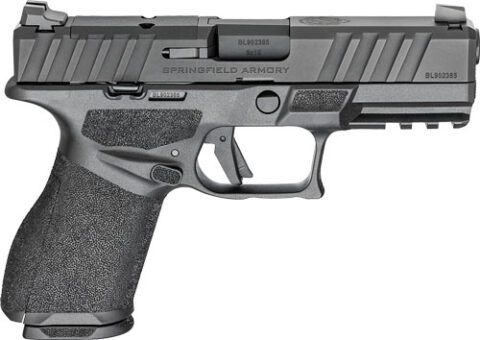
SPRINGFIELD ECHELON ALPHA 9MM – 4″ 15RD BLACK COMPACT FRAME
SPRINGFIELD ECHELON ALPHA 9MM - 4" 15RD BLACK COMPACT FRAME