
Why You Should Trust Us
When it comes to advice on home defense shotguns, choosing a reliable source of information is crucial. We understand that your safety—and the safety of your loved ones—is a top priority. That’s why we’ve crafted this guide with care, drawing on years of expertise, research, and real-world testing to ensure that every recommendation is practical, effective, and based on solid evidence.
Our Expertise in Home Defense
- Industry Knowledge: We have a deep understanding of firearms and self-defense tactics that allows us to provide well-rounded insights. From shotgun mechanics to ammunition effectiveness, we rely on proven knowledge rather than myths or hearsay.
- Years of Experience: Our team includes professionals with backgrounds in law enforcement, military operations, competitive shooting sports, and firearm instruction. This diverse range of expertise ensures our guidance reflects both theory and practice.
- Hands-On Testing: Every product or method we recommend has been tested in real-world scenarios or controlled environments. This includes testing shotguns for reliability under stress conditions and experimenting with ammo types for performance.
How We Approach Research
We prioritize verified data from trustworthy sources over anecdotal evidence. Our process includes:
– Consulting reputable manufacturers such as Mossberg, Remington, and Benelli for technical specifications. – Reviewing independent ballistic tests conducted by experts in the field. – Analyzing data from authoritative organizations like the National Shooting Sports Foundation (NSSF).
– Drawing insights from firearm instructors who specialize in defensive scenarios.
Commitment to Practicality
Home defense isn’t just about owning a gun; it’s about preparation and training. That perspective drives our recommendations: – Ease of Use: All recommended setups prioritize simplicity under high-stress situations. – Tailored Suggestions: We recognize that everyone’s home defense needs are different—whether you live in an apartment or a large house—and aim to provide flexible solutions. – Safety First: Safe handling practices are embedded throughout our advice because protecting lives also means minimizing risks.
Transparency Matters
We remain objective by focusing solely on what works best for you as a homeowner: 1. No Influences: We do not accept sponsorships from manufacturers that could bias our opinions. 2. Honest Reviews: If a product has limitations or drawbacks, we discuss them openly so you can make informed decisions. 3. Reader-Focused Content: The ultimate goal is to equip you with knowledge that empowers your choices around home defense shotguns.
By trusting this guide, you’re relying on professionals who prioritize accuracy, integrity, and your right to stay safe at home—all without unnecessary fluff or fear-mongering tactics often found elsewhere in this niche topic area.
The Basics of a Home Defense Shotgun
Choosing the right shotgun for home defense requires an understanding of its fundamental characteristics, advantages, and limitations. A well-selected shotgun can provide reliable performance and peace of mind, but not all shotguns are suited for defensive use. Below is a breakdown of what makes a shotgun effective for protecting your home.
Action Types
- Reliable and straightforward to operate.
- Requires manual cycling after each shot.
- Typically more affordable compared to other options.
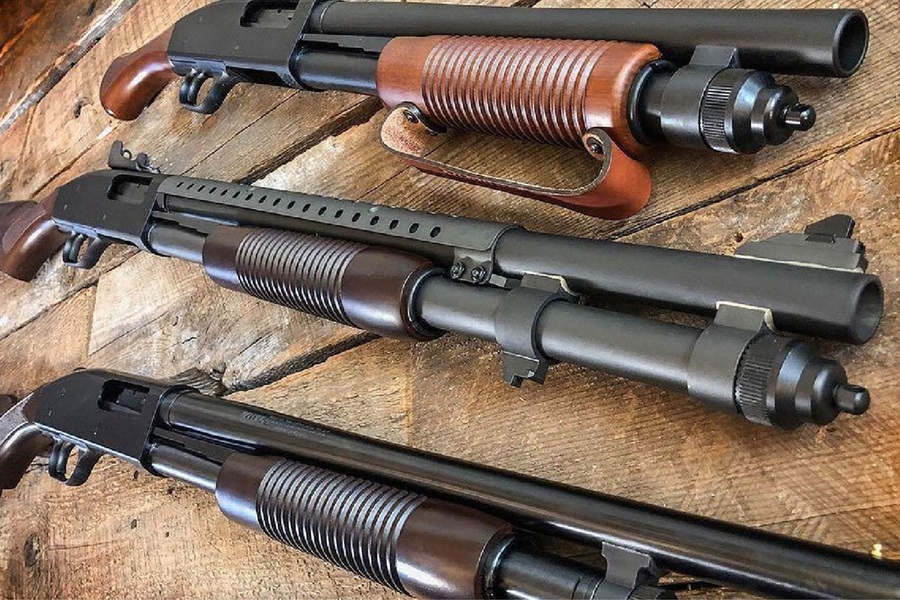
- Examples: Remington 870, Mossberg 500.
- Fires one round per trigger pull without manual cycling.
- Faster follow-up shots but may require more maintenance for reliability.
- Examples: Beretta 1301 Tactical, Benelli M4.
- Simple design but limited capacity (1–2 rounds).
- Not ideal unless simplicity is your priority.
Barrel Length
- Short barrels (18–20 inches) are ideal for close-quarters environments like hallways or tight spaces found in homes. They allow better handling indoors.
- Avoid long barrels designed for hunting or sport shooting as they can be awkward in confined areas.
| Barrel Length | Purpose |
| <18 inches | Illegal in most jurisdictions |
| 18–20 inches | Perfect for home defense |
| >20 inches | Better suited for hunting |
Gauge Selection
- 12-Gauge: The most common and versatile choice; highly effective with a wide variety of ammo options.
- 20-Gauge: Offers reduced recoil while still being powerful enough for defensive use.
- .410 Bore: Minimal recoil but less stopping power; generally not recommended unless recoil sensitivity is a major concern.
Capacity and Reloading
- Most pump-action or semi-auto tactical shotguns hold between 4 and 8 rounds in their tube magazine.
- Certain models allow extended magazines or detachable box magazines to increase capacity.
- Always ensure your setup complies with local laws regarding magazine limits.
Ergonomics and Accessories
- Choose between traditional stocks or pistol-grip stocks based on comfort and control preference.
- Adjustable stocks offer versatility if multiple users will rely on the firearm.
- Bead sights are standard but may lack precision under stress.
- Ghost ring sights or red-dot optics provide faster target acquisition.
- A sling allows hands-free mobility while keeping the gun accessible when moving through your home.
- Reduce felt recoil to improve control during extended practice sessions or emergencies.
By understanding these fundamental aspects, you can select a shotgun tailored to your needs that delivers optimal performance when it matters most. Proper selection also ensures you’re prepared without unnecessary complications during high-stress situations at home.
Home Defense Ammo Options
Selecting the right ammunition for your home defense shotgun is just as critical as choosing the shotgun itself. The type of ammo you load can directly impact its effectiveness, safety, and versatility in a defensive scenario. Each type of shotgun ammo has distinct features, and understanding these differences will help you make an informed decision that aligns with your specific needs.
Key Types of Shotgun Ammunition
1. Birdshot
- Description: Contains many small pellets designed to spread over a wide area.
- Minimal penetration through walls, reducing the risk of collateral damage in homes with thin walls or nearby rooms.
- Effective at close range for deterring intruders without excessive lethality.
- Limited stopping power beyond a short distance; not ideal against determined or heavily clothed intruders.
2. Buckshot
- Description: Larger pellets (commonly 8–9 per shell) that deliver greater energy upon impact. Popular sizes include #00 (double-aught) and #1 buckshot.
- Excellent stopping power at close to medium ranges.
- High likelihood of incapacitating an intruder with fewer shots required.
- Increased penetration compared to birdshot, which may pose a risk if walls are thin or family members are nearby.
| Buckshot Size | Pellet Diameter | Average Pellet Count per Shell | Penetration (Approx.) |
| #00 Buck | 0.33 inches | ~8-9 | Moderate-high |
| #1 Buck | 0.30 inches | ~11-12 | Moderate |
3. Slugs
- Description: A single solid projectile fired from the shotgun barrel for maximum power and accuracy at longer ranges.
- Exceptional stopping power against threats at extended distances.
- High precision when aiming is critical.
- Significant overpenetration risk within confined spaces like houses.
- Requires more accurate aim due to the single projectile.
Considerations for Home Defense
- In apartments or homes with shared walls, birdshot may be safer due to reduced wall penetration.
- For larger properties where greater range might be necessary, buckshot offers balanced performance.
- Avoid slugs unless you have a clear line of sight and no risk of hitting unintended targets behind walls.
- Shotguns have different patterns depending on barrel length, choke type, and ammo used.
- Visit the range to test how your chosen load spreads at various distances.
- High-recoil rounds like slugs can be challenging for some shooters to control under stress.
- Consider low-recoil buckshot options if recoil sensitivity is an issue.
Practical Tips for Choosing Ammo
- Test multiple ammo types in your specific shotgun model before committing to one for home defense use.
- Keep spare shells readily available but appropriately secured away from unauthorized users.
- Regularly inspect stored ammo for signs of corrosion or damage that could affect reliability.
By carefully selecting the right ammunition based on your environment and comfort level with recoil and shot placement, you’ll maximize both safety and effectiveness in protecting your home under stressful conditions without unnecessary risks associated with overpenetration or inadequate stopping power.
Staging the Gun
Properly staging your home defense shotgun is a crucial component of being prepared for any potential threats. It’s not just about having the firearm; it’s about strategically placing and securing it in a way that ensures accessibility while maintaining safety for everyone in the household. Below, we’ll explore key considerations and best practices for staging your shotgun effectively.
Accessibility vs. Security
Balancing accessibility with security is one of the most important aspects of staging a firearm. You need to ensure the shotgun is easy to access during an emergency, but it must also be secured to prevent unauthorized use—especially if children or others unfamiliar with firearms are present in your home.
- Quick Access Safes: A small biometric or keypad-operated safe near your bed or other key locations can keep your shotgun accessible but secure.
- Gun Locks: If you don’t have a dedicated safe, consider locking mechanisms like trigger locks or cable locks to prevent unintended use.
- Strategic Placement: Ensure the shotgun is staged in an area where you’re most likely to need it, such as near entry points or bedrooms.
Choosing the Right Location
- Proximity to Likely Threats: Evaluate which areas of your home are most vulnerable, such as front doors, back entrances, or garage access points.
- Ease of Access During Sleep: For nighttime incidents, keeping a staged shotgun within arm’s reach when sleeping (e.g., under the bed) can be more practical than storing it far from your sleeping area.
- Avoiding High-Traffic Areas: Do not stage firearms in locations easily accessible by visitors or children.
You might also consider multiple staging locations if your home has multiple floors or large square footage. For example: | Floor/Area | Suggested Staging Spot | |——————-|—————————————| | Bedroom | Quick-access safe near bed | | Living Room | Concealed compartment furniture | | Basement/Garage | Wall-mounted lockable gun rack |
Ready Condition vs. Stored Condition
- Condition 1 (Fully Loaded): The shotgun has rounds in both the magazine tube and chamber; safety engaged.
- Condition 2 (Chamber Empty): Magazine tube loaded but no round chambered; this offers slightly enhanced safety while still allowing rapid response.
- Condition 3 (Unloaded): Both magazine tube and chamber are empty, requiring additional time to load when needed.
Most homeowners choose Condition 2 for shotguns used exclusively for home defense purposes because it strikes a balance between readiness and accident prevention.
Enhancing Accessibility With Accessories
- Wall-Mounted Racks – Lockable gun mounts on walls allow quick deployment while keeping firearms out of reach from unauthorized hands.
- Retention Solutions – Magnetic retention devices secure shotguns discreetly in inconspicuous locations like closets or behind furniture.
- Sling Attachment Points – A sling allows hands-free carrying if mobility during an incident becomes necessary.
Training for Effective Staging Use
- Practice retrieving the shotgun from its staged location during dry fire drills.
- Familiarize yourself with any quick-access mechanisms on safes or locking devices.
- Conduct scenario-based training exercises that mimic real-life situations.
By methodically planning where and how you stage your home defense shotgun, you significantly enhance both security and preparedness without compromising safety within your household.
Staging the Gun
Properly staging your home defense shotgun is a critical part of ensuring it is accessible, safe, and ready for use when needed. This step involves determining where and how your shotgun will be stored in your home so that it offers both quick access during an emergency and minimizes safety risks. The following guidelines will help you set up an effective staging plan.
Accessibility
- Location: Place the shotgun in a strategic location near high-risk entry points or areas where you are most likely to retreat in case of an emergency (e.g., a bedroom or safe room).
- Quick Access Safes: Use a wall-mounted or bedside gun safe designed for quick access. These safes often have biometric locks or keypads for fast entry, allowing you to retrieve the firearm under stress.
- Avoid Clutter: Ensure that nothing obstructs access to the shotgun. Cluttered areas can slow down your reaction time.
Safety Considerations
- Family Members: If you have children or other individuals unfamiliar with firearms in your home, secure the weapon in a locked container or use trigger locks when not actively monitored. This prevents unauthorized access while maintaining readiness.
- Condition of Readiness: Determine whether to keep the shotgun loaded with a round chambered, loaded without one chambered, or unloaded entirely, depending on your comfort level and local laws. Many people prefer keeping it “cruiser ready”––loaded magazine tube but no round chambered––to reduce accidental discharge risk.
- Regular Checks: Periodically inspect the firearm to ensure it’s clean, functional, and loaded appropriately (if applicable).
Positioning and Orientation
| Situation | Recommended Setup |
| Bedside Storage | Keep barrel oriented away from sleeping positions; opt for soft cases or secure racks attached near headboards. |
| Wall-Mounted Safe | Mount safes at shoulder height for quick ergonomics rather than placing them too low or high. |
| Closet/Safe Room | Use corner racks designed for minimal manipulation upon retrieval. |
Practice Retrieval
- Perform dry runs that simulate high-stress scenarios (e.g., nighttime emergencies).
- Train yourself to unlock safes quickly without fumbling keys or codes.
- Familiarize other household members with emergency plans so they understand their roles during critical situations.
By thoughtfully staging your home defense shotgun with accessibility, safety, and consistent training in mind, you contribute significantly to both readiness and peace of mind while reducing potential risks.
Strengths of the Shotgun
Shotguns are one of the most versatile and effective tools for home defense, offering unique advantages over other firearm platforms. Whether you’re an experienced gun owner or a beginner, understanding the strengths of a shotgun can help you make an informed decision about incorporating it into your home defense strategy.
Versatility in Ammunition Types
- Buckshot: A popular choice for home defense due to its optimal balance between stopping power and reduced over-penetration risks.
- Birdshot: While generally not recommended as a primary defensive round, birdshot can be used in situations where wall penetration is a significant concern.
- Slugs: Ideal for longer distances or when precision and penetration are critical.
This flexibility allows users to choose ammunition best suited to their living situation, whether it’s an apartment, suburban home, or rural property.
Wide Shot Spread
Unlike rifles or handguns that fire single projectiles, shotguns discharge multiple pellets (in buckshot and birdshot). This creates a wider spread pattern that increases the likelihood of hitting your target in high-stress situations where accuracy may suffer. While proper aiming is still essential, this feature makes shotguns more forgiving for less experienced shooters.
Superior Stopping Power
Shotguns excel in delivering immense stopping power at close range—where most home defense encounters occur. A well-placed shot from a 12-gauge loaded with buckshot can neutralize threats rapidly without requiring multiple follow-up shots. This ability reduces potential risks to both you and other members of your household.
Reduced Over-Penetration Risks
Compared to rifles and some handguns, shotguns firing buckshot or birdshot are less likely to penetrate walls or travel through multiple rooms. This makes them safer for use in shared spaces such as urban apartments or homes with thin interior walls—helping reduce collateral damage while still being effective against intruders.
| Ammo Type | Range | Penetration Risk | Use Case |
| Buckshot | Close-Mid | Moderate | General home defense |
| Birdshot | Close | Low | Situations where wall penetration is critical |
| Slugs | Mid-Far | High | Precision or open spaces |
Simplicity & Reliability
Many shotgun models are simple to operate, even under duress. Pump-action shotguns, for example, are known for their mechanical reliability and ease of maintenance compared to semi-auto platforms. Their rugged design ensures they function effectively even after years of use with minimal upkeep.
Psychological Deterrence
The distinct sound of racking a pump-action shotgun has long been considered an effective psychological deterrent. For some intruders, this audible cue alone could be enough to halt further escalation without requiring any shots fired—a non-lethal advantage unique to this firearm type.
Adaptability Through Upgrades
- Stocks: Adjustable stocks improve comfort and ergonomics for shooters.
- Sights/Optics: Adding ghost rings or red-dot sights enhances target acquisition.
- Extended Mag Tubes: Increase ammo capacity without compromising performance.
- Weapon Lights: Illuminate targets effectively while keeping hands free (covered earlier).
These upgrades allow owners to tailor their shotgun specifically for their needs while maintaining its core strengths.
By leveraging these distinct advantages—powerful stopping force, versatility in ammunition choices, reduced over-penetration risks, etc.—the shotgun remains one of the most trusted tools available today for securing your home effectively and responsibly.

Andro Corp Industries 55616BB ACI-15 Bravo 5.56 NATO 30+1 16″
Andro Corp Industries 55616BB ACI-15 Bravo 5.56 NATO 30+1 16" Black Nitride Threaded Barrel, Black Anodized…
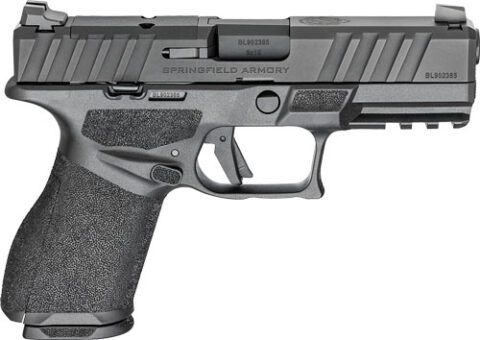
SPRINGFIELD ECHELON ALPHA 9MM – 4″ 15RD BLACK COMPACT FRAME
SPRINGFIELD ECHELON ALPHA 9MM - 4" 15RD BLACK COMPACT FRAME