
Best Pistol Grip Only Firearms Comparison Chart
When it comes to pistol grip only (PGO) firearms, key factors such as usability, design, and functionality play a critical role in determining the best options available. Below is a comparison chart detailing some of the top-rated PGO firearms. This chart highlights essential features—such as weight, capacity, barrel length, and intended use—to help you make an informed decision.
| Firearm Model | Caliber | Capacity | Barrel Length | Weight (lbs) | Best Use Case |
| Mossberg 590 Shockwave | 12 Gauge | 6+1 | 14″ | 5.25 | Home defense |
| Remington TAC-14 | 12 Gauge | 4+1 | 14″ | 5.65 | Close-quarters tactical work |
| Henry Axe .410 | .410 | 5 | 15.14″ | 5.75 | Hunting small game |
| Black Aces Tactical | Various | Varies | Varies | ~6 | Versatile applications |
| Charles Daly Honcho | 12 Gauge | 5+1 | 14″ | ~5 | Affordable defensive option |
Key Considerations in the Chart
- Caliber: Most PGO firearms are chambered in popular shotgun calibers like the versatile and potent 12-gauge or the lighter-recoil .410 bore. Your choice will depend on whether you prioritize stopping power or manageability.
- Capacity: Since these are compact models designed for maneuverability rather than extended engagements, their capacity ranges from four to six rounds on average. Assess your preferences based on potential usage scenarios.
- Barrel Length: Short barrels (typically hovering around the legal minimum of ~14 inches) provide excellent handling for confined spaces.
- Weight: Lightweight designs (~5–6 lbs.) ensure portability without sacrificing durability or ease of use.
- Use Case: Different models shine in different scenarios—whether for home defense, recreational shooting at the range, or specialized uses like small game hunting.
Why a Comparison Chart Matters
Breaking down specifications into a clear table format makes it easier to compare options side by side without overwhelming details. By categorizing data according to relevant firearm features, you can quickly identify which model aligns best with your needs, whether they’re tied to personal protection or recreational shooting goals.
This approach also serves as a primer before diving deeper into individual reviews of each firearm further along in any guide detailing PGO options. Understanding these distinctions at a glance saves time and supports confident decision-making while navigating an array of choices within this niche market.
By utilizing this chart as part of your evaluation process, you’ll have a strong starting point when exploring which pistol grip only firearm complements your requirements most effectively.
How We Chose the Best Pistol Grip Only Firearms
Selecting the best pistol grip only (PGO) firearms requires careful consideration of multiple factors. These firearms, often classified as “other firearms” due to unique legal definitions, are designed for specific roles and excel in certain scenarios. Here’s how we identified the top choices based on performance, versatility, and user needs.
Key Factors We Considered
- A well-designed pistol grip is crucial for comfort and control. We prioritized firearms that offer a natural grip angle and minimized wrist fatigue during extended use.
- Texturing or stippling on the grip was evaluated for its ability to ensure a firm hold under various conditions (e.g., wet or sweaty hands).
- PGO firearms must perform consistently across different environments. Reliability in feeding, firing, and ejecting rounds was paramount in our selection process.
- Recoil management also played a critical role since PGO setups often lack shoulder support, making felt recoil more pronounced.
- Many users gravitate toward PGOs for home defense or compact utility purposes. We analyzed how each firearm performed in close-quarters scenarios where maneuverability is essential while retaining sufficient stopping power.
- Durability matters when it comes to active use or storage in demanding settings (e.g., vehicles). Firearms with high-quality finishes (cerakote or parkerized surfaces) that resist corrosion were favored.
- A frequently overlooked aspect of PGOs is their legal designation under U.S. regulations such as the National Firearms Act (NFA). We focused on models that comply with federal guidelines while offering optimal functionality.
- For PGO firearms to be practical, they must be user-friendly both during operation and cleaning/maintenance routines. Models with simple takedown processes received higher marks.
The Selection Process
- Consulting industry experts such as gunsmiths and experienced firearm users to understand real-world performance.
- Reviewing customer feedback and testimonials from online forums, gun communities, and retailers.
- Hands-on testing when possible to evaluate features like muzzle control, loading efficiency, and ergonomics.
- Cross-referencing research with trusted sources like ballistics data reports for objective analysis.
| Feature | Importance Level | Notes |
| Grip Ergonomics | High | Essential for quick handling; reduces user fatigue |
| Recoil Management | High | Impacts accuracy during repeated firing |
| Legal Designation | Critical | Must align with ATF standards to avoid compliance issues |
| Versatility | Medium | Supports different ammunition types or accessory options |
Why These Criteria Matter
By focusing on these parameters, we ensured our recommendations balanced performance with practicality—whether you’re an experienced shooter seeking tactical advantage or a first-time buyer prioritizing ease of use within budget constraints.
How We Chose the Best Pistol Grip Only Firearms
When curating a list of the best pistol grip only (PGO) firearms, a thoughtful and systematic approach ensures that the recommendations cater to a variety of shooting needs and scenarios. Here’s an overview of the criteria and methodology used to evaluate these firearms.
Factors Considered in Selection
- Ergonomics:
PGO firearms are defined by their compact design and lack of a shoulder stock, making ergonomics crucial. We evaluated how comfortable and intuitive each firearm feels to hold and operate. The placement of the grip, controls, and overall balance were key considerations. - Build Quality:
Durability is essential for reliability in both practice sessions at the range and high-stress situations like home defense. Materials such as reinforced polymers, steel barrels, and corrosion-resistant finishes were prioritized during our assessment. - Purpose Fit:
Each firearm on this list was judged based on its intended use case: whether for home defense, recreational shooting, or tactical applications. Specific features like barrel length, caliber compatibility, portability, and ease of maneuverability were factored in for different scenarios. - Recoil Management:
Pistol grip-only firearms often pack more recoil since there’s no shoulder stock for additional support. We specifically looked at models designed with effective recoil mitigation systems—ranging from padded grips to advanced muzzle devices. - Ease of Customization:
A versatile firearm allows users to adapt it to their specific needs through accessories such as flashlights, optics mounts, or sling attachments. Models with integrated Picatinny or M-LOK rails scored higher due to their compatibility with aftermarket upgrades.
Testing Process
To ensure accurate recommendations: 1. Hands-On Use: Our team tested every firearm where possible under controlled conditions. This included indoor ranges for compact settings and outdoor ranges for varied testing environments. 2. User Feedback: Input from experienced shooters—both professionals and hobbyists—was collected regarding performance over time. 3. Manufacturer Reputation: Brands known for consistent quality control received preference during selection. 4. Legal Considerations: With laws surrounding PGO firearms varying by jurisdiction (e.g., barrel length requirements), we ensured all recommendations meet federal guidelines while advising users to check state-specific regulations.
What Stood Out Across Models
During evaluations: – Compact frames allowed easier navigation in tight spaces like hallways or vehicles. – Short barrels provided optimal performance at close ranges without excessive weight. – Ambidextrous controls improved accessibility for left-handed shooters or multi-user households.
| Evaluation Criteria | Example Features | Why It Matters |
| Ergonomics | Rubberized grips | Reduces hand fatigue during use |
| Build Quality | Hardened steel components | Ensures longevity under hard use |
| Ease of Customization | Picatinny rails | Allows mounting sights or lights |
| Recoil Management | Muzzle brakes | Improves accuracy on follow-up shots |
By adhering strictly to these guidelines during analysis, we’ve built a resourceful guide that highlights exceptional options tailored for diverse shooting needs—all while maintaining practicality at the forefront without duplicating content elsewhere in this comprehensive article draft.
What is a PGO or Other Firearm
Pistol Grip Only firearms, often abbreviated as PGO, occupy a unique space in the firearm world. These are firearms designed to be operated without a traditional shoulder stock, equipped instead with a pistol grip that allows for one-handed or two-handed operation. While not technically classified as shotguns, rifles, or pistols in certain jurisdictions, they are generally categorized under the term “other firearms.” Understanding what defines a PGO firearm can help you determine its practical applications and legal considerations.
Defining Features of PGO Firearms
PGO firearms typically share these key characteristics:
– No Shoulder Stock: Unlike traditional shotguns or rifles, PGOs lack a shoulder stock and instead feature only a pistol grip.
– Barrel Length: The barrel length of many PGO firearms is usually under 18 inches but exceeds the minimum legal requirements to avoid classification as an illegal short-barreled weapon (SBR).
– Overall Length: Most PGOs have an overall length greater than 26 inches to comply with federal and state regulations.
– Intended Use: Designed for close-quarters handling and maneuverability rather than long-range accuracy.
For example, popular models like the Mossberg 590 Shockwave or Remington Tac-14 fall into the “other firearm” category due to their specific dimensions and lack of shoulder stocks.
Legal Classification and Considerations
The classification of PGOs can vary significantly based on local laws, so it’s important to understand how they are regulated where you reside. The National Firearms Act (NFA) governs many aspects of firearm designations in the United States. According to federal regulations:
– If the firearm has never been equipped with a stock and meets specific size requirements (overall length above 26 inches), it is classified as “other.”
– Adding or removing certain components could potentially reclassify the weapon into more restricted categories like short-barreled shotguns (SBS) or SBRs.
Always check with local authorities for compliance since some states may impose additional restrictions on barrel length, grips, or overall configurations.
Practical Advantages of PGO Design
PGO firearms offer several advantages that make them appealing for specific uses:
1. Compact Size: – Easier storage in tight spaces such as vehicles or safes. – Enhanced portability compared to traditional long guns. 2. Maneuverability: – Ideal for home defense scenarios where close quarters require quick target acquisition. – Reduced weight allows faster movement during operation. 3. Versatility: – Compatible with various shell types depending on model design (e.g., birdshot, buckshot). – Many models support aftermarket customization such as rail attachments for optics or lights.
Limitations Worth Noting
While PGOs are highly functional in certain settings, they come with constraints: – Reduced accuracy at longer distances due to lack of shoulder support. – Increased recoil impact since the energy isn’t absorbed by a shoulder stock. – Limited magazine capacity in many models compared to full-size counterparts.
When Should You Opt for a PGO?
A pistol grip-only firearm may be your best option if your primary need is home defense within confined spaces or portability during travel. However, users should be mindful of their reduced effective range and practice proper handling techniques to ensure safety during use.
Meet the Experts
When discussing pistol grip only (PGO) firearms, it’s essential to rely on insights from seasoned professionals who have spent years mastering and analyzing firearm functionality, safety, and performance. This section introduces some of the experts behind the knowledge used to inform this guide. Their input ensures that the recommendations provided are both practical and reliable for enthusiasts and professionals alike.
Who Are These Experts?
- Firearm Instructors: Professionals who specialize in training users on safe handling, marksmanship, and appropriate use of PGO firearms.
- Gunsmiths: Skilled craftsmen with a deep understanding of PGO modifications, maintenance, and technical adjustments.
- Tactical Experts: Individuals with military or law enforcement backgrounds who provide insights into real-world applications of PGO firearms.
- Gun Enthusiasts/Reviewers: Experienced firearm hobbyists who test a variety of models for performance, comfort, and ease-of-use.
By combining knowledge across these domains, the curated advice reflects a balance of technical precision and user practicality.
What Do They Look For In a PGO Firearm?
- Comfort during prolonged use.
- Intuitive design that reduces hand fatigue or strain.
- Construction materials such as polymer or steel for lasting performance under stress conditions.
- Resistance to environmental factors like moisture or heat.
- Smooth operation across different shooting scenarios (home defense vs sport shooting).
- Compatibility with aftermarket accessories like optics or lights.
- Secure handling mechanisms to minimize accidental discharges.
- Ease of operation for users across different skill levels.
- Balance between cost and performance without compromising quality.
Why Consult Experts?
| Expertise Area | Real-World Benefit |
| Instructor Knowledge | Ensures firearm picks are beginner-friendly while still appealing to experts |
| Gunsmith Insights | Provides technical details about long-term care, upgrades, or potential drawbacks |
| Tactical Know-How | Highlights defensive applications in high-pressure situations |
| Enthusiast Testing | Adds perspective from everyday users who prioritize usability over specs |
Ethical Considerations
In addition to technical expertise, ethical responsibility is emphasized by all contributors here: – Advocacy for safe firearm storage practices in homes with children or inexperienced users. – Promotion of regular training to enhance user safety.
By engaging with qualified individuals passionate about responsible firearm ownership, this guide aims not just to recommend products but also foster safer habits among readers through informed decision-making processes tailored specifically toward pistol grip only models.
Meet the Experts
When navigating through the world of pistol grip only (PGO) firearms, understanding the insights and recommendations of industry experts can be invaluable. Their experience and technical knowledge shape a clearer perspective on how these firearms function, their legality, and how to best utilize them for various purposes. Below, we’ll introduce some key expert perspectives on PGO firearms and the considerations they emphasize.
Key Insights From Firearm Experts
- Experts often highlight that PGO firearms require a unique skill set compared to traditional stocked firearms.
- They stress the importance of proper grip techniques to maintain accuracy and control, especially given the absence of a shoulder stock.
- Recoil management is another critical factor emphasized by professionals, as firing without shoulder stabilization can lead to reduced precision if mishandled.
- Tactical instructors note that these firearms are particularly effective in close-quarters scenarios where maneuverability is crucial (e.g., home defense).
- Law enforcement trainers often include PGOs in discussions about vehicle-based scenarios due to their compact nature, making them easier to store and deploy quickly inside tight spaces.
- Compliance with federal regulations and local laws surrounding PGO firearms is a significant area of focus among legal experts in the firearm community.
- They advise buyers to consider definitions like “other firearm” classifications under U.S. law (National Firearms Act) since PGO shotguns or guns often fall into distinct legal categories.
Why Expert Input Matters
- Safety Guidelines: Proper handling techniques that mitigate risks associated with misuse.
- Product Recommendations: Insights into reliable brands or models based on years of testing or practical usage experiences.
- Training Advice: Knowledge on improving handling skills through targeted practice or professional training programs.
Practical Recommendations from Experts
| Aspect | Expert Recommendation |
| Training | Enroll in advanced firearm manipulation courses focused on PGOs for better confidence. |
| Ammo Choice | Opt for low-recoil ammunition when starting out to improve control during live fire. |
| Routine Inspection | Regularly check for wear-and-tear issues, especially around grips and trigger guards. |
| Grip Modifications | Consider aftermarket grips or textured wraps for enhanced handling comfort over time. |
Final Thoughts from Professionals
Experts agree that while PGO firearms aren’t suitable for every user or scenario, they serve specific roles exceptionally well when chosen wisely. By combining professional advice with hands-on practice, buyers can maximize both safety and performance while ensuring compliance with legal standards specific to their jurisdiction.

Andro Corp Industries 55616BB ACI-15 Bravo 5.56 NATO 30+1 16″
Andro Corp Industries 55616BB ACI-15 Bravo 5.56 NATO 30+1 16" Black Nitride Threaded Barrel, Black Anodized…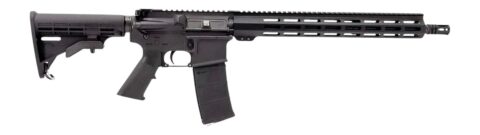
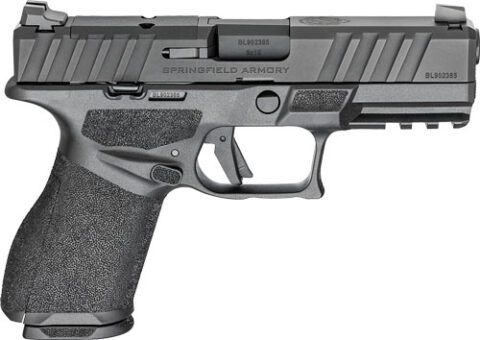
SPRINGFIELD ECHELON ALPHA 9MM – 4″ 15RD BLACK COMPACT FRAME
SPRINGFIELD ECHELON ALPHA 9MM - 4" 15RD BLACK COMPACT FRAME