
What Makes a Good EDC Knife
When selecting an Everyday Carry (EDC) knife, it’s important to focus on practicality, durability, and functionality. A great EDC knife is not just a cutting tool but an indispensable companion that can cater to your daily needs, whether you’re opening packages, cutting rope, or tackling minor tasks outdoors.
- Compact Design: A good EDC knife should be small enough to comfortably fit in your pocket or attach inconspicuously to your gear.
- Lightweight: Weight plays a critical role in portability. Heavier knives may feel cumbersome for daily use.
- Blade Length: Most EDC knives fall within the 2. 5″–3. 5″ blade length range, balancing usability with ease of carry.
The blade is the heart of any knife, and its design directly impacts utility: – Sharpness and Edge Retention: A good blade should hold a sharp edge even after repeated use.Versatility: Blades with versatile edge styles—like a combination of plain and serrated edges—can handle diverse tasks efficiently.
Durability ensures that the knife lasts over time without losing functionality: – Materials: Look for premium materials like stainless steel for the blade or aluminum/titanium handles for toughness.Construction: Precision assembly ensures parts fit seamlessly, improving both reliability and safety.
Since EDC knives are used daily, safety cannot be overlooked: – Locking Mechanism: A reliable locking system prevents accidental closure during use (e. g. , liner lock or frame lock).Grip Texture: Ergonomic handles with textured surfaces ensure a firm grip even in wet conditions.
A good EDC knife is designed with real-world usability in mind: – Ease of Deployment: One-handed opening systems such as thumb studs or flipper tabs improve accessibility.Maintenance Simplicity: An easy-to-clean design makes upkeep hassle-free.
Key Traits of a Good EDC Knife (Table)
| Feature | Why It Matters | Example Consideration |
| Compact Size | Enhances portability and discreet carry | Blade length under 3” |
| Durable Materials | Withstands wear-and-tear from daily use | Stainless steel or titanium |
| Sharp Edge | Ensures effective cutting | High-carbon steel blades |
| Safe Locking System | Prevents accidental injuries | Frame lock or liner lock |
Balancing Performance and Budget
A great EDC knife doesn’t need to break the bank. There are plenty of budget-friendly options under $50 that balance all these traits effectively while still providing impressive performance.
Choosing an excellent EDC knife requires understanding how you’ll use it daily and prioritizing features that align with your lifestyle requirements. By focusing on these core attributes—portability, build quality, safety, and practicality—you can find an everyday carry companion tailored perfectly to your needs.
Blade Materials and Locking Mechanisms
When selecting an Everyday Carry (EDC) knife, understanding the materials used for the blade and the type of locking mechanism is crucial. Both factors greatly impact the knife’s durability, functionality, safety, and overall performance. Below, we break down these aspects to help you make an informed decision.
Blade Materials: Strength and Longevity
The material of a knife’s blade determines its sharpness retention, corrosion resistance, and ease of maintenance.
- Popular for its resistance to rust and corrosion.
- Common grades include 8Cr13MoV (budget-friendly with decent edge retention) or AUS-8 (tougher but still easy to sharpen).
- Ideal for users who need an everyday tool that doesn’t require frequent cleaning or oiling.
- Known for superior edge retention and toughness compared to stainless steel.
- Prone to rust if not properly maintained—requires regular oiling.
- Great for heavy-duty tasks but may not be ideal if exposed to wet conditions frequently.
- Semi-stainless steel with excellent wear resistance and edge retention.
- Slightly harder to sharpen but performs well in both everyday utility tasks and outdoor use.
| Blade Material | Corrosion Resistance | Edge Retention | Ease of Sharpening |
| Stainless Steel | High | Moderate | Easy |
| Carbon Steel | Low | High | Moderate |
| D2 Tool Steel | Moderate | High | Difficult |
Understanding these materials ensures you pick a blade that best suits your lifestyle needs—whether it’s low-maintenance stainless steel for casual use or durable carbon steel for rugged outdoor activities.
Locking Mechanisms: Safety Meets Functionality
The locking mechanism on an EDC knife is vital as it secures the blade in place during use, preventing accidental closure that could lead to injury.
- A thin liner inside the handle locks against the tang when the blade opens.
- Lightweight and easy to operate with one hand.
- Common in many budget-friendly EDC knives due to simplicity.
- Similar to a liner lock but uses part of the handle frame for added strength.
- Sturdier than liner locks; often found on mid-range or premium knives.
- Features a mechanism on the spine that locks securely when opened.
- Highly reliable but usually requires two hands to close safely.
- Employs a sliding bar system that provides ambidextrous use.
- Smooth operation with robust locking strength; popular among modern EDC designs.
Choosing Based on Use
- Opt for stainless steel blades paired with liner locks if you want lightweight tools for simple daily tasks like opening packages or cutting cords.
- If you’re looking at more demanding activities such as hiking or camping, D2 tool steel combined with either frame locks or axis locks offers durability without compromising safety.
By carefully considering how different materials function alongside various lock mechanisms, you can find an EDC knife that fits seamlessly into your daily life while ensuring long-lasting reliability.
Blade Materials and Locking Mechanisms
When selecting an Everyday Carry (EDC) knife, two critical aspects to consider are the blade material and the locking mechanism. These factors greatly influence the knife’s functionality, durability, safety, and overall performance. Understanding these components helps you make informed decisions when choosing a knife that matches your needs.
Blade Materials
The blade material determines key properties like sharpness, edge retention, corrosion resistance, and ease of maintenance.
- Highly resistant to rust and corrosion.
- Requires less maintenance compared to carbon steel.
- Popular options include 8Cr13MoV (affordable yet durable) or AUS-8 (a well-balanced mid-range option).
- Known for superior edge retention and sharpness.
- Easier to sharpen than stainless steel but prone to rust if not properly maintained.
- Common variants include 1095 carbon steel, ideal for heavy-duty use.
- High-End Steels (for premium options under $150):
- D2: Semi-stainless with excellent hardness and edge retention.
- S30V or S35VN: Premium steels offering exceptional wear resistance and toughness.
| Blade Material | Strengths | Weaknesses |
| Stainless | Corrosion-resistant | Moderate edge retention |
| Carbon | Superior sharpness/retention | Requires more maintenance |
| D2 | Durable & strong | Semi-corrosion resistant |
Locking Mechanisms
The locking mechanism ensures safety by preventing the blade from closing accidentally during use. The type of lock can also affect how easy it is to operate the knife with one hand.
- Liner Lock
One of the most common mechanisms in EDC knives. A spring-loaded liner holds the blade open. This is lightweight yet reliable for everyday tasks. - Frame Lock
Similar to a liner lock but uses part of the knife’s frame as the locking element. Frame locks are sturdier than liner locks. - Back Lock/Lockback
Features a spine-mounted bar that locks into a notch on the back of the blade when open. Known for its robust construction but requires two hands for closing. - Axis Lock
Found primarily on Benchmade knives, this design uses a bar that moves along an axis to secure or release the blade. It’s ambidextrous and smooth to operate. - Slip Joint Mechanism
Found in traditional pocket knives without a true “lock. ” Instead, tension from a spring holds the blade open but allows it to fold closed under pressure.
Matching Materials & Mechanisms
When choosing an EDC knife: 1. Opt for stainless steel blades if you prioritize low maintenance and affordable durability. 2. For heavy-duty tasks or longer edge retention, carbon steel might be better suited despite requiring more care. 3. Match your intended use with appropriate locking mechanisms: – Select liner or frame locks for lightweight reliability. – Choose back locks if safety during demanding tasks is critical.
By understanding these core elements—blade materials and locking mechanisms—you can find an EDC knife that balances performance, longevity, and practicality based on your preferences.
Blade Materials and Locking Mechanisms
The blade material and locking mechanism of an everyday carry (EDC) knife are some of the most critical factors to evaluate when determining the right knife for your needs. These elements directly impact the knife’s durability, performance, safety, and ease of use.
Blade Materials: Strength Meets Functionality
The material used in an EDC knife’s blade determines its sharpness retention, toughness, corrosion resistance, and ease of sharpening.
- Known for its corrosion resistance and affordability.
- Ideal for beginners or humid environments where rust could be an issue.
- Can require frequent sharpening if used heavily.
- Highly durable and maintains sharpness well.
- Easier to sharpen than stainless steel but susceptible to rust without proper care.
- A good choice for outdoor enthusiasts who value edge retention over rust resistance.
- Considered a semi-stainless steel with excellent edge retention and high hardness.
- A favorite among budget EDC knives under $150 due to its balance between performance and price.
- Found in higher-end knives closer to the $150 price point.
- Provide superior sharpness retention, toughness, and corrosion resistance.
- Suitable for heavy-duty tasks or those seeking long-term durability.
| Blade Material | Key Features | Best For | Price Range |
| Stainless Steel | Corrosion-resistant; easy upkeep | Everyday tasks; beginners | $ |
| Carbon Steel | Tough; holds edge well | Outdoors; heavy-duty use | $$ |
| D2 Tool Steel | Durable; semi-stainless | Balanced performance | $$ |
| Premium Steels | Superior sharpness & toughness | Professionals; long-term users | $$$ |
Locking Mechanisms: Ensuring Safety and Stability
A secure locking mechanism is vital for safe handling during use.
- Lightweight and easy to operate with one hand. The liner inside the handle secures the blade when open.
- Common in budget-friendly options under $50.
- Similar to a liner lock but uses the handle’s frame for added strength.
- Often seen in mid-range to higher-end knives due to its sturdy build.
- Features a spine-mounted lock that ensures strong blade security.
- Reliable but may require two-handed closing.
- Uses a spring-loaded bar that allows ambidextrous operation.
- Popular in more expensive models closer to the $150 range.
Finding the Right Combination
When choosing an EDC knife, consider your intended use case alongside these features: 1. For light daily tasks like box cutting or food prep: Stainless steel blades with liner locks are sufficient. 2. For outdoor adventures or more challenging jobs: Opt for carbon steel or D2 tool steel paired with frame locks or back locks. 3. If ambidextrous operation matters: An axis lock offers flexibility at a slightly higher price point.
Investing time into understanding blade materials and locking mechanisms ensures you’ll select an EDC knife that balances performance with safety—whether you’re sticking below $50 or aiming closer to $150.
Selecting the right everyday carry (EDC) knife can feel overwhelming given the wide range of options available, especially when considering different price points and personal needs. However, with a organized approach, you can confidently choose a knife that aligns with your requirements and lifestyle. Below are several factors to consider when making your decision.
The first step in choosing an EDC knife is understanding how you plan to use it. This will help narrow down features such as blade shape, size, and material.
- Outdoor Activities: For camping or hiking purposes, consider a robust knife with a versatile blade capable of cutting tougher materials.
- Self-Defense: If personal protection is a priority, look for compact knives with easy deployment mechanisms.
Blade shape affects functionality and versatility.
- Drop Point: A popular all-purpose design suitable for most everyday tasks.
- Clip Point: Ideal for precision work like slicing or piercing.
- Tanto: Designed for strength at the tip; great for tougher cuts.
| Blade Length | Best Use |
| Under 3 inches | Urban environments; lightweight tasks |
| 3–4 inches | General purpose; versatile |
| Over 4 inches | Heavy-duty use; outdoor applications |
The handle material plays an essential role in comfort and grip during prolonged use.
- G10 or Micarta: Lightweight and durable options with textured surfaces for better grip.
- Aluminum or Titanium: Stylish choices offering excellent durability but may be heavier than synthetic materials.
- Rubberized Grip: Comfortable and slip-resistant; useful in wet conditions.
- Liner Lock: Simple to operate; commonly found in budget-friendly models.
- Frame Lock: Similar to liner lock but more robust due to integration into the handle frame.
- Axis Lock/Compression Lock: Reliable choices offering one-handed operation.
Your EDC knife should be lightweight enough for daily carry while still functional.
- Overall weight (consider something under 5 ounces for pocket-carry).
- Presence of a pocket clip for convenient storage.
Practical Tips When Making Your Final Choice
- Test how the knife feels in hand—comfort matters over extended periods of use.
- Confirm that local laws permit carrying specific sizes or types of knives.
- Look for reviews from other users regarding durability and real-world performance.
By focusing on function, comfort, style preferences, and legality considerations in your area, you can confidently choose an EDC knife tailored to both your daily needs and budget constraints without compromising on quality or usability.
Best EDC Knives Under $50
Finding a reliable, high-performing everyday carry (EDC) knife doesn’t always have to mean breaking the bank. In fact, there are several budget-friendly knives under $50 that deliver exceptional quality and functionality. Below, we explore some of the best options available and discuss what makes them stand out.
Key Considerations for Budget EDC Knives
When shopping for an EDC knife under $50, it’s important to focus on value for money without compromising on essential features.
– Build Quality: Look for knives made from durable materials like stainless steel or high-carbon steel blades paired with sturdy handles. Even at this price point, good craftsmanship can ensure longevity.Blade Style: Many budget knives offer practical blade styles such as drop-point or clip-point designs that work well for everyday tasks.Locking Mechanism: Even inexpensive options can feature dependable locking mechanisms like liner locks or frame locks for added safety.
– Ease of Carry: Lightweight designs with pocket clips or small profiles make these knives convenient to carry daily.
Top Picks Under $50
| Knife Model | Blade Material | Blade Length | Features | Price |
| Kershaw Cryo | 8Cr13MoV Stainless Steel | 2.75 inches | SpeedSafe assisted opening, durable frame lock | ~$35 |
| Ontario RAT II | AUS-8 Steel | 3 inches | Lightweight nylon handle, thumb stud opener | ~$30 |
| Gerber Paraframe Mini | High Carbon Steel | 2.22 inches | Minimalist design, framelock structure | ~$15 |
| CRKT Pilar | 8Cr13MoV Stainless Steel | 2.4 inches | Compact design, rear frame lock | ~$40 |
| Schrade SCH002B | Stainless Steel | 3 inches | Contoured grip handle, thumb knob | ~$25 |
Standout Features in Affordable Knives
- Compact Designs: Many budget-friendly models prioritize portability while maintaining sufficient blade length to handle common tasks.
- Multi-functionality: Some options include additional tools like bottle openers or serrated edges for versatility.
- Ergonomic Handles: Despite the low cost, manufacturers often use materials such as nylon composites or stainless steel handles that enhance grip and comfort.
Advantages of Investing in Sub-$50 Knives
While premium knives may boast advanced features and exotic materials, there are several benefits to choosing an affordable knife: – Ideal for beginners who want a quality tool without a large initial investment. – Perfect as backup or secondary blades in your collection. – Less concern about wear-and-tear compared to more expensive options.
By carefully considering the balance between price and utility, you’ll find plenty of reliable choices within this category that meet your everyday needs while staying well within budget.

Andro Corp Industries 55616BB ACI-15 Bravo 5.56 NATO 30+1 16″
Andro Corp Industries 55616BB ACI-15 Bravo 5.56 NATO 30+1 16" Black Nitride Threaded Barrel, Black Anodized…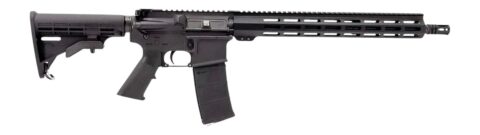
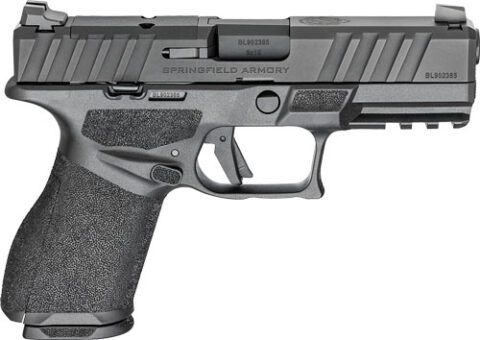
SPRINGFIELD ECHELON ALPHA 9MM – 4″ 15RD BLACK COMPACT FRAME
SPRINGFIELD ECHELON ALPHA 9MM - 4" 15RD BLACK COMPACT FRAME