
Overview of the AR-15 Platform
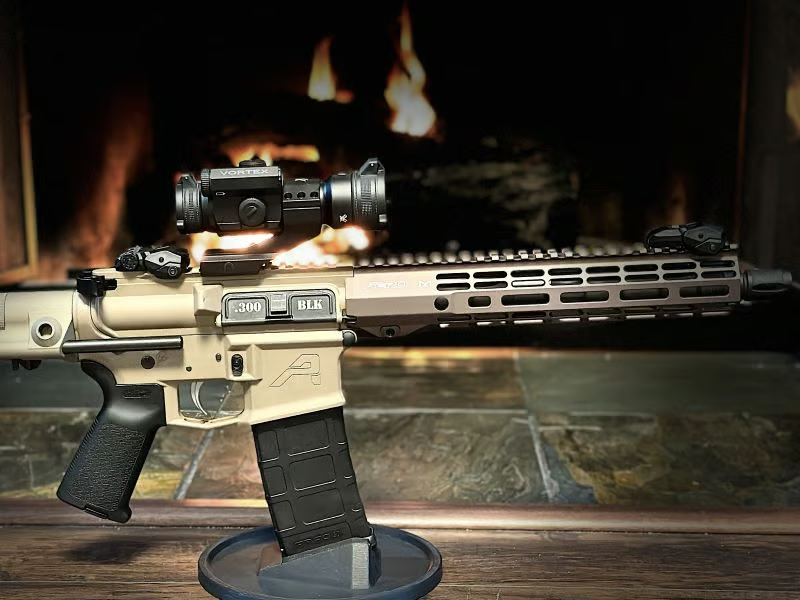
The AR-15 platform is one of the most popular firearm platforms in the world, prized for its modularity, versatility, and reliability. Originally developed in the late 1950s by Eugene Stoner, the AR-15 has evolved into a highly customizable rifle that can be tailored to suit a wide range of applications, from target shooting to home defense and hunting. Its adaptability makes it a favorite among both novice builders and seasoned firearm enthusiasts.
Key Features of the AR-15 Platform
The AR-15’s design allows users to modify and upgrade components with ease. The rifle is broken down into two primary assemblies: the upper receiver and lower receiver. These sections house all necessary parts for proper function while offering flexibility for upgrades or replacements.
Some standout characteristics include: – ModularityLightweight Design: Constructed primarily from aluminum alloys, most AR-15 rifles remain lightweight while maintaining durability.Ergonomics: Designed with user comfort in mind, features such as adjustable stocks and well-positioned controls make it easy to operate.
Applications of the AR-15
The versatility of this platform allows it to perform effectively across various scenarios: 1.Home Defense: Compact builds with shorter barrels and lightweight frames are ideal for maneuverability in tight spaces. 2.Hunting: Caliber conversion kits enable hunters to chamber rounds suited for specific game animals. 3.Sport Shooting: Competition shooters often outfit their rifles with precision barrels, free-floating handguards, and enhanced triggers for superior accuracy. 4.Law Enforcement & Military Use: Variants of this platform serve as primary firearms due to their reliability under harsh conditions.
Advantages Over Other Platforms
When compared to other rifle platforms like AK or FAL systems: – The AR-15 offers superior customization options thanks to its standardized mounting systems (e. g. , Picatinny or M-Lok). – It allows users to maintain tighter tolerances through modern machining processes.
| Feature | Benefit |
| Modularity | Easily upgrade or replace parts without replacing the entire weapon |
| Wide Availability | Large aftermarket support ensures access to numerous components |
| Precision | Known for better accuracy compared to some competing platforms |
Understanding these aspects helps explain why so many people choose the AR-15 as their firearm build project. Its adaptability ensures it remains a versatile tool capable of meeting diverse needs across personal preference or professional requirements.
Essential AR-15 Parts for a Complete Build
Each part plays a specific role in ensuring the rifle functions properly and meets your intended use, whether for sport shooting, home defense, or hunting. Below is a detailed overview of the essential parts required for assembling a fully functional AR-15.
Lower Receiver
The lower receiver is considered the backbone of any AR-15 build. This component houses key parts that are responsible for handling the firearm’s firing mechanism and ergonomic interface.
Key components of the lower receiver include:
– Stripped Lower Receiver: The serialized part that legally constitutes the firearm.Trigger Group: Includes the trigger, hammer, disconnector, and springs necessary for firing.Pistol Grip: Provides a stable grip for improved control.
– Magazine Catch and Release: Allows secure insertion and quick release of magazines.
– Bolt Catch Assembly: Locks the bolt in place after firing the last round in a magazine.Buffer Tube Assembly(includes buffer tube, buffer spring, and buffer): Key to cycling rounds by absorbing recoil energy.Stock or Brace: Helps stabilize shooting by providing shoulder support or maneuverability for pistol configurations.
Upper Receiver
The upper receiver assembly houses critical components that enable chambering rounds, proper cycling of ammunition, and delivering accuracy.
Key upper receiver parts include:
– Stripped Upper Receiver: The base component that connects to the barrel and supports other parts.Barrel(with chamber): Determines caliber compatibility and influences accuracy based on length and rifling specs. – Common lengths include 16″, 18″, and 20″, depending on your needs. – Typical materials are chrome-moly steel or stainless steel.Gas System(gas block and gas tube): Plays an essential role in redirecting gases to cycle rounds efficiently.Bolt Carrier Group (BCG): – Includes bolt assembly and carrier responsible for chambering rounds after each shot. – Look for premium coatings like nitride or nickel-boron for durability.
– Charging Handle: Used to manually cycle rounds into the chamber before firing.
– Handguard or Rail System: – Provides mounting points for accessories like lights, lasers, or grips. – Available in drop-in systems or free-floating designs which improve accuracy.
Fire Control Components
These are foundational to safe operation while ensuring consistent performance with every trigger pull.
Elements include: 1. Safety Selector Switch – Controls fire mode (safe/semi-auto). 2. Firing Pin – Strikes primers to ignite cartridges when triggered.
Other Necessary Components
Some other essential parts needed to complete your AR-15 build include: 1. Dust Cover – Protects internal components from fouling caused by dust/debris entry when not in use. 2. Forward Assist – Assists with bolt closure during malfunctions; optional but useful under adverse conditions like dirt-heavy environments.
| Component Type | Examples | Notes |
| Barrel Length | Standard options (e.g., 16″, shorter barrels) | Match intended purpose |
| Bolt Carrier Finish | Chrome-lined/nitride | Affects cleanliness/durability |
| Stock Materials | Polymer/carbon fiber | Lightweight yet durable designs favored |
Having these essential components ensures you’re prepared while promoting function reliability matching desired performance
Lower Receiver Components Explained
The lower receiver is often considered the backbone of the AR-15 platform. This component houses critical parts that enable the firearm to function correctly. Understanding each part and its role is essential when building or customizing your weapon. Below, we’ll break down the key components of the lower receiver, their purposes, and considerations for selection.
Key Components of the Lower Receiver
- The stripped lower receiver is the foundational piece of this assembly.
- It contains mounting points for all other lower receiver parts.
- Typically made from aluminum (7075-T6 or 6061-T6), though polymer options are available for lightweight builds.
- Choose a high-quality manufacturer to ensure compatibility with other AR-15 components.
- Includes trigger, hammer, disconnector, and springs.
- Responsible for firing mechanism activation when the trigger is pulled.
- Single-stage triggers: Simple design with consistent pull weight.
- Two-stage triggers: Allows a more controlled shot by having an initial take-up before resistance increases.
- A device that allows you to switch between “safe” (prevents firing) and “fire” modes.
- Available as standard 90-degree throws or upgraded 45-degree short throws.
- Used to hold the bolt open after the last round is fired from a magazine.
- Essential for both functionality and convenience during reloads or inspections.
- Allows magazines to be removed quickly from the rifle.
- Extended or ambidextrous options are available for improved ergonomics.
- Comprises buffer tube (receiver extension), buffer spring, and buffer weight.
- Absorbs recoil energy during firing and resets the bolt carrier group (BCG).
- Ensure compatibility between commercial-spec and mil-spec buffer tubes when choosing components.
- Ergonomic component used to hold and control the rifle during operation.
- Customizable in terms of texture, angle, and material for user preference.
- Protects the trigger from accidental contact while adding structural rigidity to the lower receiver.
- May be standard or oversized for use with gloves in tactical environments.
Assembly Notes
When assembling these parts into your stripped lower receiver: – Use a proper jig or vise block designed specifically for AR-15 lowers to prevent damage during installation. – Apply small amounts of gun oil where necessary—especially around pivot pins—to ensure smooth movement without seizing up over time. – Be cautious not to overtighten screws or pins; this can strip threads or damage delicate components like roll pins.
Table: Common Lower Receiver Materials
| Material | Properties | Pros | Cons |
| 7075-T6 Aluminum | High tensile strength | Durable; used in mil-spec rifles | Higher cost |
| 6061-T6 Aluminum | Lightweight but less strong | Budget-friendly | Less resistant to wear |
| Polymer | Extremely lightweight | Affordable; corrosion-proof | Less durable under stress |
Building your own AR-15 from scratch is a rewarding project, but it requires the right set of tools to ensure safety, precision, and proper assembly.
Required Tools for Assembly
- A multi-functional tool designed specifically for AR-15 builds.
- Look for one with multiple wrench sizes and torque compatibility.
- Ensures proper tightening of critical components like the barrel nut without over-tightening or under-tightening.
- Select one with foot-pound (ft-lb) measurements for precise adjustments.
- Opt for punches made from high-quality steel to prevent bending or breakage.
- A companion tool to the roll pin punch that holds pins in place during installation. This minimizes slipping and damage.
- Soft jaws made from polymer or rubber prevent marring or scratching delicate surfaces.
Specialty Tools
- Pivot Pin Installation Tool:
Avoid frustration when installing pivot pins by using this specialized tool designed to make placement seamless. - Gas Block Alignment Tool:
Ensures that your gas block aligns perfectly with the gas port on your barrel, critical for reliable cycling of rounds.
Workspace Essentials
| Item | Purpose | Notes |
| Gunsmithing Bench Mat | Protects surfaces and organizes parts | Choose one with diagrams |
| Magnetic Parts Tray | Keeps small components from getting lost | Essential for springs & pins |
Safety Equipment
- Eye protection — prevents injuries from flying springs or debris.
- Gloves — protects against cuts or contact with chemical cleaners.
By ensuring you have these tools ready before starting your build, you’ll avoid delays and potential mishaps while creating a reliable firearm tailored to your preferences.
Having the correct tools at your disposal is essential to avoid damage to components and to streamline the entire process.
Basic Hand Tools
You’ll need a variety of common hand tools for most AR-15 builds.
- Hex Key/Allen Wrench Set: Used for tightening screws on various components like pistol grips.
- Screwdrivers: Both flathead and Phillips screwdrivers are necessary for installing certain small parts.
- Needle Nose Pliers: Useful for holding or aligning small pins and springs.
- Rubber or Brass Mallet: Helps with gentle tapping without damaging the finish.
Specialized AR-15 Assembly Tools
- A multi-purpose tool designed specifically for building or maintaining AR-style rifles.
- Functions include tightening barrel nuts, castle nuts, buffer tubes, and flash hiders.
- Ensures that barrel nuts and other critical components are tightened to proper torque specifications.
- Prevents over-tightening, which could damage threads or compromise safety.
- Essential for driving roll pins into place without deforming them.
- Comes in various sizes to match different pins on your build.
- A variation of roll pin punches, these help align pins before driving them fully into place.
- Simplifies the installation of the pivot pin detent and spring—a task that can otherwise be frustrating due to their size and tendency to fly off if mishandled.
Vise & Accessories
- Bench Vise: Provides stability during barrel installation or when applying torque with wrenches.
- Upper Receiver Vise Block: Secures the upper receiver inside the vise without damaging its finish or alignment.
- Lower Receiver Vise Block: Holds the lower receiver in place during assembly tasks like installing trigger groups or buttstocks.
Cleaning & Finishing Tools
- Cleaning Rods/Brushes/Patches: Helps remove debris from parts during assembly.
- Deburring Tool/File: Smooths out sharp edges on lower receivers (common in 80% builds).
Optional Yet Useful Additions
| Tool | Purpose |
| Chamber Cleaning Brush | Cleans hard-to-reach areas after assembly |
| Bore Alignment Rod | Ensures proper alignment during assembly |
| Digital Caliper | Helps measure small parts precisely |
Having these tools not only makes assembly easier but reduces frustration by ensuring each component fits correctly. Proper preparation is key; investing in high-quality tools ensures safety and longevity in both your build process and final rifle performance.
Common Mistakes to Avoid During Assembly
Even experienced builders can sometimes make errors that impact the functionality, reliability, or safety of the rifle. Below is a detailed guide on common mistakes to avoid during assembly, along with helpful tips for addressing these issues.
Misaligned Gas System
The gas system is critical for cycling the firearm correctly, and any misalignment can lead to malfunctions or failure to cycle.
- Ensure you align the gas port on the barrel with the gas block perfectly.
- Use a small flashlight to check alignment before securing it.
- Some gas blocks include dimples or marks on the barrel that help with proper positioning—use these as guides.
Over-Torquing Screws and Fasteners
Using excessive torque on screws like those in the buffer tube castle nut or barrel nut can damage parts or cause threads to strip. Over-tightening can also create stress fractures over time.
- Use a torque wrench calibrated for firearm-specific builds.
- Follow manufacturer specifications for recommended torque settings.
- Apply thread-locking compounds sparingly and only where appropriate (e. g. , blue Loctite for non-permanent applications).
| Component | Recommended Torque Setting |
| Barrel Nut | ~30–80 ft-lbs |
| Castle Nut (Buffer Tube) | ~35–40 ft-lbs |
Incorrect Installation of Small Parts
Small components like detents, springs, and pins may seem minor but play critical roles in your AR-15’s functionality. Misinstallation often leads to issues such as unreliable safety selector engagement or improper trigger resets.
- Safety selector detent and spring improperly seated.
- Pivot and takedown pins installed backward.
- Loose bolt catch roll pin insertion.
- Work in a well-lit area with an organized workspace.
- Use specialized tools like roll pin punches and starter punches for precision work.
- Refer closely to an assembly manual or schematic diagram as you install each part.
Failing to Test Fire Components Before Full Assembly
Skipping functional tests during assembly can lead builders into frustration later when diagnosing problems. It’s essential not just to assemble but also verify each part’s proper operation during different stages of your build process.
- Perform function checks after installing each major component (e. g. , trigger group, bolt carrier group).
Example Function Check:- Cock hammer manually after installation; ensure it locks into place correctly.
- Engage/disengage safety; confirm it works smoothly without unusual resistance.
- Check magazine fitment by inserting/removing empty magazines.
- Test fire your rifle safely at a range after completing final assembly but before relying on its performance in higher-stakes scenarios.
Skipping Proper Lubrication
Improper lubrication—either too much, too little, or in the wrong places—is another common issue. Neglecting this step leads directly toward unnecessary wear on parts or cycling failures during live fire.
- Lubrication Tips:
Focus lubrication on high-friction areas such as: - Bolt carrier rails
- Cam pin
- Charging handle track
- Trigger sear surfaces
Avoid lubricating areas like your chamber since excess oil can trap debris or cause malfunctions during operation.
Taking time upfront ensures smoother operation while also prolonging your rifle’s lifespan by avoiding preventable errors altogether.

Andro Corp Industries 55616BB ACI-15 Bravo 5.56 NATO 30+1 16″
Andro Corp Industries 55616BB ACI-15 Bravo 5.56 NATO 30+1 16" Black Nitride Threaded Barrel, Black Anodized…
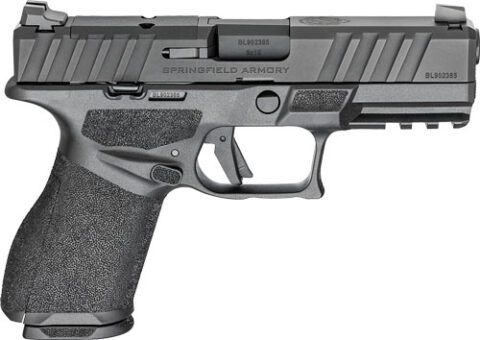
SPRINGFIELD ECHELON ALPHA 9MM – 4″ 15RD BLACK COMPACT FRAME
SPRINGFIELD ECHELON ALPHA 9MM - 4" 15RD BLACK COMPACT FRAME