
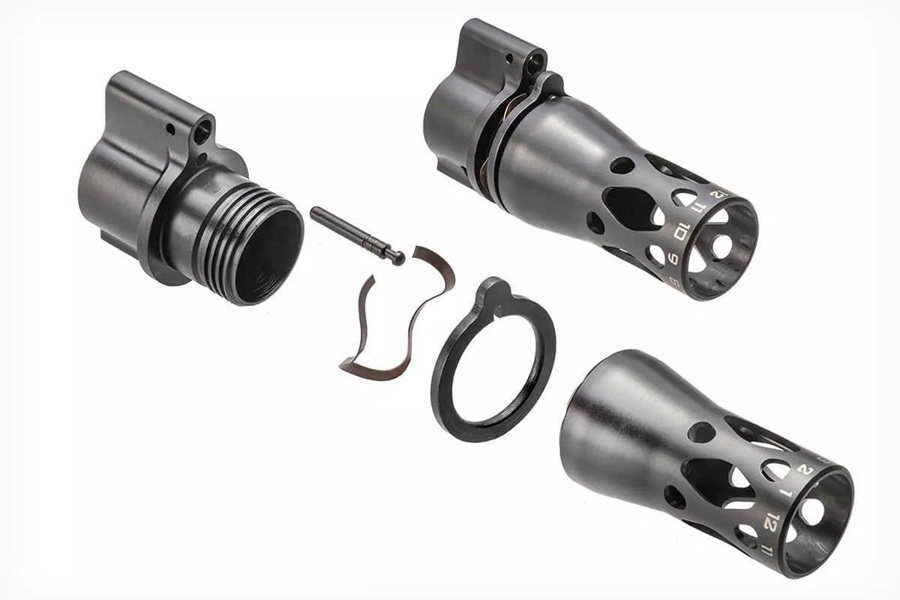
What Is an Adjustable Gas Block
An adjustable gas block is an essential firearm component designed to regulate the amount of gas that flows from the barrel into the gas system during firing. Unlike standard fixed gas blocks, which allow a set amount of gas to enter the system, adjustable gas blocks provide a way to fine-tune this flow. This adjustability allows shooters to control how much force is applied to cycle the action, which can significantly influence the performance and longevity of their firearm.
How It Works
When a shot is fired, gases are expelled from the cartridge and travel down the barrel. A portion of these gases is diverted through a small port in the barrel and into the gas block. From there, these gases are used to cycle the action of semi-automatic firearms, such as AR-15 platforms. With an adjustable gas block, you can control how much pressure enters this system by turning a set screw or adjusting other mechanisms on the block.
There are generally two main designs for adjustable gas blocks:
– Set-Screw Design: Uses an internal screw that can be turned clockwise or counterclockwise to either restrict or increase gas flow.
– Click-Adjustable Design: Offers preset positions with audible clicks for more precise adjustments without requiring tools.
Why It Matters
The ability to control gas flow has significant implications for firearm performance:
– Customizable Functionality: Adjusting your setup can enhance compatibility with different ammunition types (e.g., subsonic rounds).
– Suppressed Shooting: Reducing excess backpressure when using a suppressor minimizes wear and tear on internal components while improving sound suppression.
– Improved Accuracy: An optimized gas system reduces recoil impulse and muzzle rise, offering greater shot-to-shot consistency.
Different Configurations
Adjustable gas blocks come in various sizes and materials to fit specific firearms and needs: | Size | Description | Use Case | |——|————-|———-| | .625″ Diameter | For lightweight or “pencil” barrels | Ideal for minimalist builds | | .750″ Diameter | Standard-size barrels on most AR builds | Most common; works for general-purpose rifles | | .936″ Diameter | Heavier-profile barrels (precision rifles) | Optimal for long-range shooting |
Additionally, manufacturers use durable materials like steel or titanium for strength and heat resistance under extreme conditions.
Whether you’re building a firearm from scratch or improving an existing one, understanding what an adjustable gas block is—and how it works—is key to getting reliable performance tailored specifically to your needs.
Why Upgrade to an Adjustable Gas Block
An adjustable gas block is an essential upgrade for those looking to fine-tune their firearm’s performance. Whether you’re a competitive shooter, avid hunter, or simply want to optimize your rifle for smoother operation, an adjustable gas block can provide significant advantages. Below, we’ll explore the key reasons why upgrading to an adjustable gas block is worth considering.
Enhanced Performance and Versatility
Adjustable gas blocks allow you to control the amount of gas expelled into your rifle’s operating system. This adjustability provides several practical benefits:
– Customization for Ammo Types: Different ammunition types generate varying levels of pressure. An adjustable gas block lets you tailor your system for optimal performance regardless of whether you’re using low-pressure subsonic rounds or high-velocity loads.
– Suppressed Shooting: Firearms equipped with suppressors tend to experience greater back pressure. An adjustable gas block helps mitigate issues like excessive cycling and overheating during suppressed shooting sessions.
Reduced Recoil and Improved Control
One of the most notable advantages of an adjustable gas block is its contribution to recoil management. By controlling the flow of excess gases, you can achieve:
– Smoother Operation: Less felt recoil makes follow-up shots faster and more accurate, which is particularly beneficial in competitive settings or tactical scenarios.
– Improved Durability: Reduced wear on internal components decreases the chances of malfunctions over time, ensuring a longer lifespan for your rifle parts.
| Benefit | Result |
| Reduced recoil | Better shot placement; enhanced accuracy |
| Lower operating pressures | Less wear on components; extends firearm lifespan |
| Customizable cycling | Works well with various ammo types and shooting setups |
Tailored Functionality for Specific Scenarios
Upgrading gives you flexibility in how your firearm operates under different conditions:
1. Hunting Applications – Fine-tune the gas system for quieter suppressed shots that won’t disturb wildlife while maintaining reliability in extreme temperatures or environments.
2. Competition Use – Optimize ejection patterns so spent casings are consistently cleared without over-gassing, keeping your rifle running smoothly during rapid-fire stages. 3. Home Defense Setup – Ensure reliable cycling in critical scenarios without creating unnecessary wear from over-gassing.
Minimized Wear and Tear on Components
Excessive gassing leads to undue stress on parts like bolt carrier groups (BCG), buffer springs, and even barrels over time. With proper adjustment using an advanced gas block design, you’ll experience less violent cycling that could potentially shorten component lifespans.
By upgrading to an adjustable gas block, you’re not just improving performance but also reducing long-term costs associated with replacing worn-out parts too frequently while enjoying a more reliable firearm setup tailored specifically for your needs or preferences without compromise.
Key Features to Look for in a Gas Block
Material and Build Quality
- Steel Construction: Most adjustable gas blocks are made from durable materials like stainless steel or hardened steel. This ensures longevity and resistance to heat and corrosion during extended use.
- Corrosion Resistance: Look for gas blocks with corrosion-resistant coatings, such as nitride or phosphate finishes. These treatments extend the lifespan of the gas block while improving its ability to handle adverse conditions.
- Robust Adjustment Mechanism: The mechanism used to regulate gas flow should be sturdy enough to withstand repeated adjustments without loosening or failing over time.
Adjustment Design
A key feature of any adjustable gas block is its adjustment system. This determines how easily and precisely you can control gas flow: – Click-Based Adjustments: Some gas blocks feature detent systems that provide tactile or audible clicks with each adjustment, allowing for consistent and repeatable tuning. – Tool-Free vs. Tool Required Options: Tool-free designs allow you to make adjustments on the fly, while models requiring tools may offer more precise control but need additional accessories. – Number of Gas Settings: Consider whether the model offers multiple levels of adjustment—some blocks provide finer control over smaller increments for precision tuning.
Low Profile Design
For users who prioritize versatility, low-profile designs are particularly advantageous: – Handguard Compatibility: Ensure that the dimensions of the gas block will fit comfortably under your handguard if you use free-float rail systems. – Compact Size Benefits: A streamlined profile reduces weight and bulk, making it ideal for lightweight builds without compromising performance.
Ease of Installation
The installation process matters just as much as day-to-day functionality: – Clamp-On vs. Set Screw Attachment Options: Clamp-on models distribute pressure more evenly across the barrel surface, whereas set screw designs offer tighter securing in specific setups. – Securing Hardware Included: High-quality brands often include screws, pins, or other necessary components in their packaging, simplifying assembly.
Heat Resistance
Given that gas blocks are exposed to high temperatures during firing cycles: – Materials like 4140 chrome-moly steel or 17-4 PH stainless steel help maintain structure under extreme heat.
| Feature | Importance |
| Material Quality | Durable construction ensures reliability under high-stress conditions |
| Adjustment System | Precision tuning impacts firearm performance |
| Low Profile | Improves compatibility with rail systems |
| Installation Method | Determines ease of setup |
| Heat Resistance | Essential for maintaining functionality during extended shooting sessions |
Special Features
Some manufacturers go above and beyond standard designs by adding unique enhancements: – Gas blocking mechanisms designed specifically for suppressed shooting applications. – Customizable port sizes that enable fine-tuned performance based on ammunition types.
Selecting an adjustable gas block comes down to understanding your needs—whether you’re optimizing recoil management, ensuring suppressor compatibility, or upgrading a competition rifle build. Prioritize quality materials combined with intuitive adjustment features for consistent results every time you shoot.
Benefits for Recoil Management and Reliability
Adjustable gas blocks have become a popular upgrade for firearm enthusiasts due to their significant advantages in recoil management and overall reliability. By allowing precise control over the amount of gas directed back into the operating system, these devices provide users with the ability to fine-tune their firearms based on specific needs or shooting conditions. Here, we’ll explore these benefits in detail.
Enhanced Recoil Control
- Smoother Shooting Experience: By controlling gas flow, adjustable gas blocks reduce the abruptness of bolt movement, leading to a smoother firing cycle.
- Faster Target Acquisition: Reduced recoil allows shooters to stay on target more easily during follow-up shots.
- Increased Comfort: Lower felt recoil enhances comfort during prolonged shooting sessions, especially when using high-powered ammunition.
This makes adjustable gas blocks particularly beneficial for competition shooters and anyone seeking precision in rapid-fire scenarios.
Improved Reliability in Diverse Conditions
- Minimal Wear and Tear: Over-gassing can accelerate wear on components like the bolt carrier group (BCG) and buffer system. Adjusting the gas flow reduces stress on these parts.
- Adaptability Across Ammunition Types: Firearms equipped with fixed or traditional gas systems may not handle varying loads consistently. An adjustable gas block ensures reliable cycling across different ammunition types—from light loads to heavy subsonic rounds.
- Cleaner Operation: Controlling excess gases means less carbon fouling in the chamber and BCG, leading to reduced maintenance needs.
Supporting Suppressor Use
For those utilizing suppressors on their rifles, adjustable gas blocks are almost indispensable. Suppressors often increase back pressure within a firearm’s operating system, resulting in greater recoil and dirtier operation. Adjustable gas blocks allow you to fine-tune performance specifically for suppressed shooting by reducing this back pressure.
Summary Table of Benefits
| Benefit | Description |
| Reduced Recoil | Smoother operation reduces felt recoil for better control |
| Consistent Cycling | Optimal tuning ensures reliable function across ammunition types |
| Longevity of Components | Minimizes wear by avoiding excessive stress on internal parts |
| Cleaner System | Reduces carbon build-up due to controlled use of gases |
| Suppressor Integration | Enhances compatibility with suppressors by managing additional back pressure |
Practical Applications
- Precision Shooting: Adjustable settings allow marksmen greater accuracy by ensuring predictable cycling behavior.
- Tactical Scenarios: In high-stakes situations where reliability is paramount, fine-tuning your firearm minimizes malfunctions.
- Custom Builds: For those building AR-style rifles from scratch or modifying existing ones, an adjustable block adds versatility without requiring frequent part replacements.
By offering superior control over your firearm’s operation while extending its lifespan, an adjustable gas block is more than just an accessory—it’s a key component that enhances both performance and user experience without compromise.
Installation Tips and Compatibility
Installing an adjustable gas block is a critical step in optimizing the performance of your firearm. Proper installation ensures reliable operation, improves accuracy, and maximizes the benefits of this upgrade. Below, we’ll break down the essential tips for installation and discuss compatibility considerations to help you get it right the first time.
Preparing for Installation
Before beginning the installation process, ensure that you have the necessary tools and supplies on hand. Here’s a quick checklist:
– Tools Needed:
– Roll pin punches
– Torx or hex wrenches (depending on your gas block design)
– Torque wrench (if required by manufacturer specs)
– Gun cleaning tools (to remove carbon buildup)
- Thread-locking compound (if specified by the manufacturer)
- High-temperature grease or anti-seize lubricant
- Protective gloves and eye protection
Clear your workspace, unload your firearm completely, and verify there’s no ammunition nearby before proceeding.
Steps to Install an Adjustable Gas Block
- Disassemble Your Firearm: Remove the handguard, muzzle device, and existing gas block or front sight base. This will provide access to the barrel. Refer to your firearm’s manual for disassembly instructions specific to your model.
- Clean Contact Areas: Use a carbon scraper or cleaning solvent to remove any carbon buildup around the gas port area on your barrel. Residual fouling can obstruct proper alignment or create sealing issues.
- Align with Gas Port: Position the adjustable gas block over the barrel’s gas port. Many blocks are designed with a small window or markings to assist alignment; verify proper positioning before securing it in place.
- Secure Fasteners: Depending on your adjustable gas block type—clamp-on, set-screw style, or pinned—fasten it securely:
- For clamp-on designs, tighten screws evenly.
- For set-screw models, apply thread-locker if recommended.
- For pinned options, carefully drive pins into place using a roll pin punch. Follow torque specifications provided by the manufacturer to avoid overtightening.
- Reinstall Components: After securing the gas block in place:
- Reinstall the handguard.
- Reattach any muzzle device using appropriate torque specs.
- Function Check: Perform a basic dry cycle check before live firing to ensure everything operates smoothly without obstructions.
Compatibility Considerations
When choosing an adjustable gas block for installation, compatibility with your firearm is crucial for functionality and safety.
- Barrel Profile Matching: Ensure that you select a gas block size compatible with your barrel’s diameter (e.g., .750” or .625”). Measure carefully if unsure about dimensions.
- Gas System Length: Adjustable gas blocks are designed for various system lengths—carbine, mid-length, rifle-length—so choose one that matches yours appropriately.
- Handguard Clearance: Verify that there’s adequate space under or within your handguard for both installation and adjustment after mounting the gas block.
- Material & Coating: Look for durable materials like steel or aluminum with corrosion-resistant coatings (such as nitride or phosphate). These features prolong lifespan even under high-pressure conditions.
Troubleshooting Installation Issues
If you encounter issues while installing an adjustable gas block: – Double-check alignment over the barrel’s port; misalignment is a common mistake leading to cycling failures. – Inspect fasteners; loose screws can cause leakage during operation. – If adjustment knobs are blocked by accessories like rails/mounts, consider low-profile options designed specifically for tight spaces.
With careful preparation and attention to detail during installation, you’ll maximize both reliability and performance from this key upgrade component.
How to Tune Your Gas System for Optimal Performance
Tuning your adjustable gas block is essential for achieving optimal firearm performance. When done correctly, it ensures smoother operation, reduced recoil, and improved reliability. Below is a step-by-step guide to help you fine-tune your gas system effectively.
Understanding the Purpose of Tuning
An adjustable gas block allows you to control the amount of gas that cycles through your firearm’s operating system. Improper tuning can lead to issues such as over-gassing or under-gassing, which can result in unnecessary wear on components, excess recoil, or failure to cycle properly.
Key benefits of proper tuning include:
– Reduced felt recoil: Minimizing the gas flow decreases unnecessary energy transfer to the shooter. – Improved cycling reliability: Too much or too little gas can hinder proper cycling; tuning balances this. – Extended component longevity: Reducing stress on parts through precise adjustment lowers wear and tear.
Tools and Materials You’ll Need
Before you start, ensure you have the following tools on hand:
– Hex keys or Allen wrenches (for adjusting the set screws)
– A torque wrench (to tighten screws if needed)
– A quality lubricant for maintaining smooth operation
– Ammunition suitable for testing
– Safety glasses and ear protection
Step-by-Step Tuning Process
- Confirm that the firearm is unloaded and safe before beginning.
- Install the adjustable gas block if it is not already attached (refer to installation instructions specific to your model).
- Open the adjustment screw fully to allow maximum gas through the system. This will give a baseline for testing functionality.
- If it doesn’t lock back, it suggests insufficient gas.
- If cycling feels harsh or excessively strong, there may be too much gas flowing.
- Chamber one round at a time.
- Fire and observe performance (e.g., bolt behavior and ejection pattern).
- Observe Ejection Patterns
The direction of ejected casings can tell you whether your system is over-gassed or under-gassed:
| Ejection Direction | Indicator | Solution |
|————————-|—————————|————————————|
| 12 o’clock | Under-gassed | Increase gas flow |
| 1–2 o’clock | Optimal performance | No changes needed |
| 3 o’clock or beyond | Over-gassed | Decrease gas flow | - Cycle Reliability Testing
Once adjustments are close to ideal settings, test fire several rounds consecutively using different ammunition types if possible (lighter loads vs heavier ones). This ensures consistent functionality across varied conditions. - Secure Your Settings
Once your adjustments are finalized:- Tighten any locking screws without overtightening.
- Apply thread-locking compound if recommended by your manufacturer.
Practical Tips for Effective Tuning
- Always make adjustments slowly and deliberately; over-adjusting can lead to frustration or functional problems.
- Keep detailed notes of your settings in case adjustments are needed later due to environmental changes or ammunition variations.
- Regularly inspect and clean carbon buildup around the block as excessive fouling can affect performance over time.
By following this process carefully, you’ll achieve an optimal balance between smooth operation and reliability—ensuring your adjustable gas block performs its best regardless of conditions or ammunition choice.

Andro Corp Industries 55616BB ACI-15 Bravo 5.56 NATO 30+1 16″
Andro Corp Industries 55616BB ACI-15 Bravo 5.56 NATO 30+1 16" Black Nitride Threaded Barrel, Black Anodized…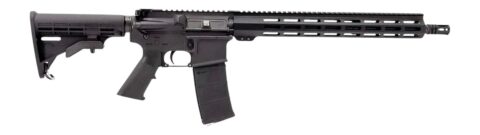
SPRINGFIELD ECHELON ALPHA 9MM – 4″ 15RD BLACK COMPACT FRAME
SPRINGFIELD ECHELON ALPHA 9MM - 4" 15RD BLACK COMPACT FRAME