
The Origins of the Bushmaster ACR and Magpul Masada
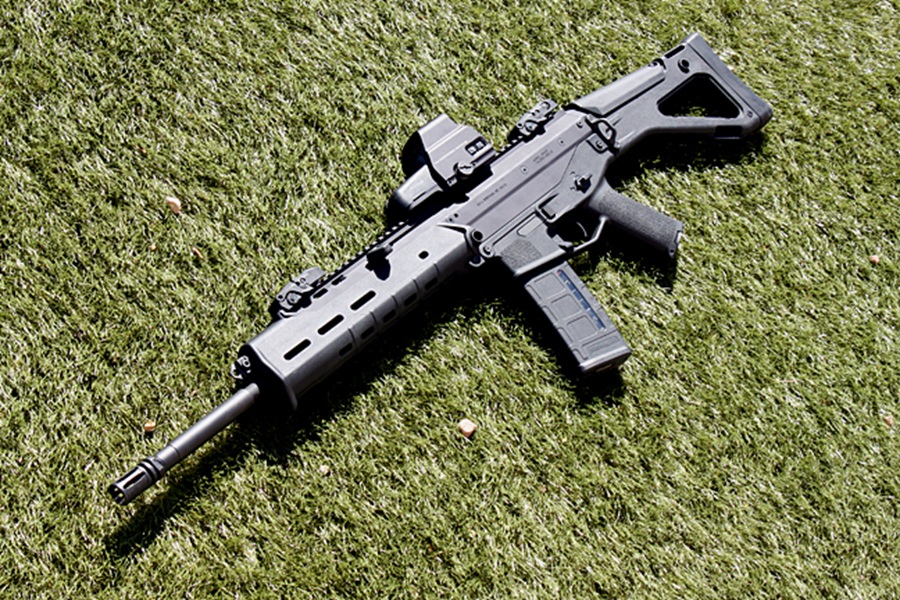
The Bushmaster Adaptive Combat Rifle (ACR) has a fascinating origin story, rooted in innovation and an ambitious goal to revolutionize the modern rifle. Its beginnings trace back to Magpul Industries, a company known for its cutting-edge firearm accessories and forward-thinking designs. Originally conceived as the Magpul Masada in 2006, the rifle was designed to address some of the shortcomings seen in other modern service rifles like the M16/M4 platform and even contemporary competitors such as the FN SCAR.
At its core, the Masada project was created with adaptability and modularity at the forefront. The firearm was intended to be a scalable weapon system that could meet varied operational needs, offering military forces, law enforcement agencies, and civilian enthusiasts a single platform capable of filling multiple roles. The idea was revolutionary for its time. With exchangeable barrels that allowed caliber conversions (such as switching between 5.56 NATO and 7.62×39), replaceable lower receivers tailored for different magazine types, an adjustable gas system for suppressed or unsuppressed fire, and ambidextrous controls throughout, it promised unparalleled versatility.
Magpul’s ambitious design caught substantial attention in shooting circles due to its potential capabilities. Even before full-scale production began, it gained significant interest within both military communities and among civilian consumers who were excited about its radical departure from long-standing designs like the AR-15 or AK-47.
In 2008, Magpul partnered with Bushmaster Firearms International (a subsidiary of Remington Arms) to bring the Masada concept into full production under what would later be branded as the ACR. Bushmaster’s involvement promised commercial viability on a broader scale due to their manufacturing capability and experience in producing firearms for large markets. This partnership seemed like a natural step forward to transform an innovative prototype into a mass-market product.
However, this also marked where some significant changes began taking shape. As production plans moved forward under Bushmaster’s stewardship—and later influenced by Remington—certain design elements of the Masada evolved to suit manufacturing needs or cost considerations. These changes were met with mixed reactions from enthusiasts who had followed the project since its inception.
Despite these transitions from concept to reality, what remains clear is how groundbreaking the original vision for this rifle truly was during its early development stages at Magpul Industries. The Masada’s innovative DNA laid much of the foundation for what would eventually become known as one of modern firearms’ most intriguing cases: a promising idea that struggled through development realities yet still left an indelible legacy within gun culture aficionados around the world.
Why the ACR Generated So Much Hype
The Bushmaster Adaptive Combat Rifle (ACR), originally conceptualized as the Magpul Masada, garnered an extraordinary level of attention when it was first unveiled in 2007. Much of this excitement stemmed from its promise to revolutionize the modern rifle market with cutting-edge design features, unparalleled modularity, and a focus on operator needs. At a time when many firearms were merely incremental updates of existing platforms, the ACR seemed to represent an entirely new direction for firearm innovation.
One of the primary reasons for the ACR’s initial hype was its modularity. The rifle was designed with a tool-less quick-change barrel system, allowing users to easily switch between multiple calibers like 5.56 NATO, 6.8 SPC, and others. This adaptability appealed not just to individual firearms enthusiasts but also to military and law enforcement agencies looking for versatile solutions that could reduce logistical challenges in varying operational environments. Modularity wasn’t limited to calibers; interchangeable stocks, handguards, and other components made it feel like a truly customizable firearm.
Another major selling point was its forward-thinking design choices that addressed common complaints about existing rifles like the AR-15 or SCAR platforms. For example, Magpul engineered an ambidextrous control system for the Masada—an aspect that made handling intuitive for both left-handed and right-handed shooters without sacrificing ergonomics or efficiency. The non-reciprocating charging handle mounted on the side further streamlined functionality and demonstrated thoughtful user-centric innovation.
The promise of reliability also contributed significantly to its growing legend in those early days. The gas-piston operating system offered by the ACR aimed to fuse AK-style robustness with AR-15 style accuracy—a combination that had long been sought after but rarely perfected in one rifle. This made it seem ideal for both harsh combat conditions and precise shooting scenarios.
The timing of its debut played an important role as well. In 2007, there was significant global interest in finding replacements or improvements over aging service rifles used by militaries worldwide, such as the M16/M4 platform in U.S. forces or other NATO-standard rifles elsewhere. The Masada/ACR’s introduction coincided perfectly with this demand for innovation at a time when operators were increasingly vocal about their dissatisfaction with conventional weapon systems.
Much of the hype was amplified by Magpul’s reputation within firearms circles as a forward-thinking company known for creating durable and innovative accessories like magazines and stocks. When it partnered with Bushmaster (and eventually Remington) to bring this gun into production under the name Bushmaster ACR, expectations skyrocketed beyond what most rifles had ever generated prior to release.
In short, people didn’t just see another gun when they looked at early prototypes of what would become the ACR—they saw what could be described as “the future” of combat arms technology: modularity combined with simplicity, durability paired with precision engineering. However, while these lofty aspirations captured imaginations across military personnel and civilian enthusiasts alike during its announcement phase, delivering on these promises turned out to be far more complicated than anyone anticipated—a challenge that would ultimately define much of its tumultuous history moving forward.
Delays, Rising Prices, and Missed Expectations
The Bushmaster ACR, originally envisioned as the Magpul Masada, began as a highly ambitious project intended to redefine the modular rifle market. When first unveiled in 2007, it promised innovation that excited both military professionals and civilian firearm enthusiasts. It was designed to be highly adaptable, allowing users to quickly change calibers and configurations without specialized tools. However, despite its initial promise, the ACR faced numerous challenges that ultimately hindered its success.
One of the primary setbacks for the ACR was a series of significant production delays. After Magpul partnered with Bushmaster for manufacturing in 2008, many expected the rifle’s release to be swift. Yet, over the next few years, repeated postponements eroded consumer confidence. Much of this stemmed from Bushmaster’s difficulty in translating Magpul’s innovative concept into a mass-producible product while maintaining its original vision.
By the time the ACR finally reached the market in 2010, it failed to meet many of its anticipated specifications. One key disappointment was its lack of caliber conversion kits at launch—a feature that had been central to its original appeal. Instead of being able to seamlessly switch between calibers like 5.56 NATO and 6.8 SPC as promised during early demonstrations, buyers were left with limited options that undermined one of the rifle’s most exciting selling points.
Rising costs added further strain for potential buyers. When initially introduced as a concept under Magpul’s banner, industry insiders speculated that the rifle would retail at an accessible price point—somewhere around $1,500 or less—making it competitive with other high-tier assault rifles like the FN SCAR or AR-15 platforms. However, once produced by Bushmaster under Freedom Group ownership (the parent company), prices skyrocketed well above expectations due to production complexities and manufacturing overheads. At launch, civilian models were priced in excess of $2,600 for standard configurations—a figure that alienated budget-conscious firearm enthusiasts who had eagerly awaited an affordable alternative.
This combination of delays and unmet promises led many early adopters and fans to feel frustrated or disillusioned with what had once seemed like a groundbreaking innovation in firearms design. Additionally, these issues allowed competitors—like SIG Sauer’s MCX and FN Herstal’s SCAR series—to capture much of the market share among consumers seeking modular rifles.
Ultimately, while there is no denying that external factors played a role in shaping public perception toward advanced firearms during this period (such as fluctuating regulations or shifting consumer trends), much of what held back widespread adoption of the Bushmaster ACR could be traced directly to these three factors: delays during development; rising costs; and an inability to deliver on early promises regarding functionality and features upon release.
Why the Bushmaster ACR Struggled Commercially
The Bushmaster ACR, originally envisioned as the Magpul Masada, entered the firearm market with lofty promises and high expectations. However, despite its innovative design and modularity, it struggled to achieve commercial success. Several significant factors contributed to this underwhelming performance in the marketplace.
Pricing Challenges
One of the most substantial issues that hindered the Bushmaster ACR was its high price point. When initially announced by Magpul as the Masada, it was anticipated that the rifle would be priced affordably to compete directly with other popular rifles such as the AR-15. Early estimations projected a price range below $1,500 for a fully-featured, modular rifle.
However, when Bushmaster began production under licensing agreements with Magpul, the retail price soared well beyond initial expectations. The standard ACR model launched at approximately $2,600 or more for some configurations. This steep price tag placed it out of reach for many potential buyers who could find similar or superior functionality in lower-priced alternatives already established in the market.
Competition from Established Platforms
By the time of its release in 2010, the firearm industry had seen significant advancements and an oversaturation of AR-15-style rifles. Platforms like Daniel Defense’s lineup and Smith & Wesson’s M&P15 series were offering competitive pricing while maintaining reliability and modularity—qualities that had originally been key selling points for the ACR.
Moreover, other modern weapon systems such as FN Herstal’s SCAR series or Heckler & Koch’s HK416 offered similar ergonomic upgrades and advanced features as premium-tier rifles designed for both military contracts and civilian markets. These alternatives provided stiff competition to a rifle struggling to differentiate itself at its higher cost.
Delays Eroding Consumer Confidence
The gap between announcement and availability also hurt consumer trust in the product. Initially introduced as conceptually complete during SHOT Show 2007 by Magpul Industries under its original name “Masada,” excitement was high among enthusiasts who saw it as a next-generation combat rifle capable of revolutionizing small arms development.
However, multiple production delays followed after Bushmaster acquired production rights from Magpul. By 2010—three years after its unveiling—the excitement had largely dissipated due to prolonged waiting periods during which competitors continued refining their offerings while meeting customer demand on time.
Limited Support for Accessories and Variants
Another key factor in its commercial struggle was limited aftermarket support compared to established platforms like AR-15s. Despite being billed as fully modular—with quick-change barrel systems allowing caliber conversion—availability of these components remained sparse after launch. Consumers who had hoped for an extensive ecosystem were left wanting when promised accessories never materialized or were delayed indefinitely.
Additionally, specialized models such as short-barreled rifle (SBR) configurations or designated marksman variants never became widely available outside niche markets or government contracts.
Marketing Missteps
Marketing missteps further compounded these issues. Instead of building on Magpul’s grassroots reputation among firearm enthusiasts by highlighting innovation and value-driven engineering decisions behind its design philosophy like polymer lowers or folding stocks compatible within compact transportable dimensions—the brand under Freedom Group ownership seemed disconnected from core audiences passionate about firearms culture values over corporate branding interests maximized profits above customer loyalty perceptions alienating long-standing fanbase expectations unmet leaving sour tastes behind diminishing product sentiment altogether…
The Impact of Remington’s Bankruptcy on the ACR
The downfall of Remington Outdoor Company had a profound impact on many of its subsidiaries, projects, and products, including the Bushmaster ACR (Adaptive Combat Rifle). As one of the most significant firearm manufacturers in the United States at the time, Remington’s financial troubles inevitably affected the resources, innovation, and overall trajectory of many firearms under its portfolio. For the Bushmaster ACR, a rifle that had already faced significant hurdles in terms of delays and commercial viability, this shift marked a critical turning point.
How Bankruptcy Stalled Development
When Remington filed for bankruptcy in 2018 and later again in 2020, it struggled to maintain operations across its numerous brands. This instability meant that research and development took a backseat to financial restructuring and asset liquidation. For products like the Bushmaster ACR—already seen by some critics as underperforming compared to its initial promises—these corporate struggles erased much hope for continued innovation or improvement to address consumer concerns.
The ACR had areas ripe for refinement: weight reduction, caliber conversion kits that were promised but not fully delivered, and price adjustments to make it more competitive against alternatives like the SCAR or AR-15 platforms. Under better circumstances with dedicated resources, these improvements might have been addressed over time. However, Remington’s bankruptcy effectively froze any potential advancements for the rifle.
Disruption to Distribution Channels
As part of bankruptcy proceedings, Remington was forced to divest many of its brands and assets. The selloff meant that Bushmaster itself—alongside other key holdings—ceased operations temporarily while new ownership was arranged. During this period, retailers faced dwindling inventory levels for products like the ACR. This lack of availability not only frustrated potential buyers but also led some enthusiasts to seek alternative rifles from competitors with more stable supply chains.
Loss of Trust Among Consumers
Bankruptcy rarely inspires confidence among consumers or industry professionals alike. For firearms enthusiasts who had already experienced delays and unmet promises regarding features like modularity or caliber changes with the ACR, news of Remington’s financial collapse only compounded their frustration. It became increasingly difficult for consumers to believe that support for existing rifles would continue or that spare parts would remain readily available over time.
This erosion of trust wasn’t limited solely to individual buyers either; military procurement offices and law enforcement agencies also require assurance that their chosen platforms will receive long-term manufacturer support—a promise that becomes uncertain when a parent company is struggling financially.
The Legacy Moving Forward
Despite these setbacks during Remington’s bankruptcy period, there has been renewed interest in reviving the Bushmaster brand under new ownership as part of Roundhill Group LLC’s acquisition efforts after 2020. While it remains unclear if or how they will prioritize legacy projects like the ACR specifically, this transition represents an opportunity for a fresh start.
For now though, enthusiasts must grapple with what might have been—a rifle initially heralded as revolutionary but ultimately mired by corporate instability at critical junctures in its lifecycle.
Why the ACR Still Has a Cult Following Today
The Bushmaster ACR may not have achieved the commercial success its creators initially envisioned, but it has managed to maintain a devoted following among firearm enthusiasts. This loyalty stems from several compelling factors, including its innovative design, unmatched modularity, and a sense of what could have been if circumstances had played out differently. While it is no longer the centerpiece in modern firearm discussions, the ACR’s dedicated fan base ensures that its legacy remains alive.
An Icon of Innovation
One of the primary reasons why the ACR continues to capture attention is the groundbreaking design it showcased upon release. Initially introduced as the Magpul Masada before being acquired by Bushmaster, this rifle offered modularity and adaptability that were ahead of its time. Features like tool-less caliber conversion, quick barrel changes, and an ambidextrous fire control system made it a standout in an industry where such advancements were still emerging.
For those who appreciate engineering ingenuity in firearms, the ACR represents a high-water mark for creativity and forward-thinking design. Its potential to compete with or even surpass existing platforms like the AR-15 or SCAR series still resonates with enthusiasts who believe that it was unjustly overlooked.
The Appeal of “What Could Have Been”
Many firearms enthusiasts are drawn to underdog stories and products with untapped potential. The Bushmaster ACR embodies this sentiment perfectly. Despite its failure to truly dominate military or civilian markets due to production delays, inflated pricing, and poor corporate decisions (including Remington’s bankruptcy), fans see in it a rifle that could have rewritten expectations for modern firearms.
This nostalgia is amplified by online communities and forums where discussions about enhancing or optimizing existing ACRs continue to thrive. Custom modifications are often shared within these spaces—ranging from updated barrels to aftermarket accessories—that keep interest in this rifle alive.
Durability and Performance
For those who own an ACR, the rifle’s performance continues to validate their investment. The weapon’s durability has been consistently praised; even though it didn’t gain widespread use by military organizations around the world, many civilian users have reported reliability under demanding conditions. Its ergonomic design also stands out when compared to many of its contemporaries, further bolstering its reputation among dedicated users.
This consistent performance has cemented trust among owners who refuse to part ways with their rifles despite newer models entering the market.
Limited Availability Fuels Exclusivity
As production ceased following Remington’s financial troubles and subsequent restructuring efforts by Bushmaster’s parent companies, acquiring an ACR became increasingly difficult. This scarcity has inadvertently created a sense of exclusivity around owning one today. For collectors and enthusiasts alike, owning an operational Bushmaster ACR feels almost like holding onto a piece of history—something rare that only grows more valuable over time.
Online Legacy
Beyond physical ownership of the platform itself lies another reason for its cult following: online fandoms and dedicated content creators who continue covering topics related to improving or commemorating this firearm model long after production dwindled down significantly.
From YouTube videos documenting rare builds using original parts acquired secondhand via private sales—to Facebook groups sharing upgrade tips—the internet ensures conversations about innovation tied into iconic rifles like these persist indefinitely regardless shifting market trends elsewhere globally.

DARK30 THERMAL PTZ 640 CAMERA – 640X480 17MC 5 COLOR
DARK30 THERMAL PTZ 640 CAMERA - 640X480 17MC 5 COLOR PALETTES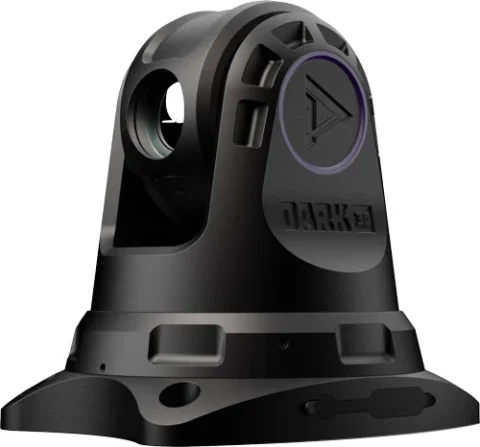
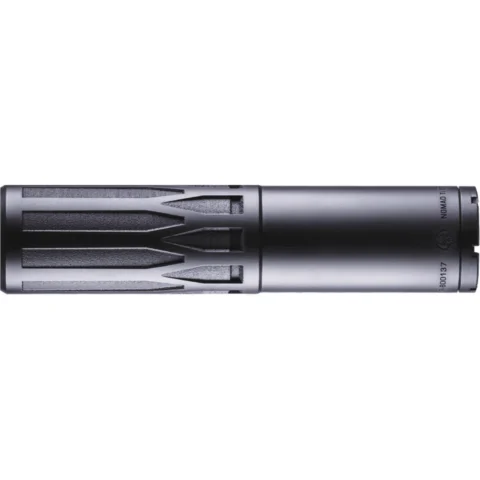
Dead Air Nomad Ti OTB Suppressor 7.62 Black w/ DA870
Dead Air Nomad Ti OTB Suppressor 7.62 Black w/ DA870 5/8-24 Xeno Radial Brake