
Why the M1A Needs the Right Optic Setup
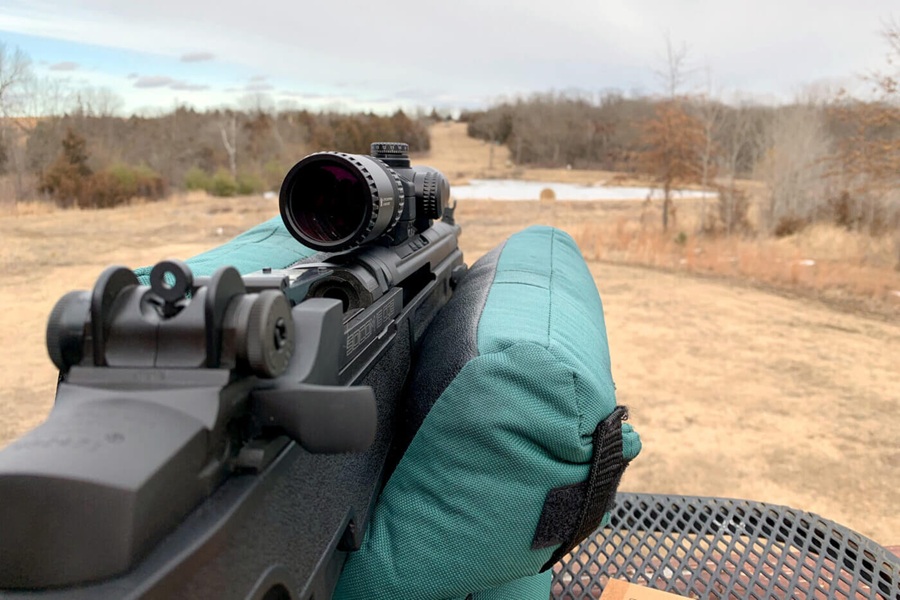
The Springfield Armory M1A is a highly versatile and iconic rifle platform, celebrated for its reliability, power, and adaptability. While it boasts impressive capabilities straight out of the box, adding the right optic setup can truly unlock its full potential. Whether you’re using it for hunting, precision shooting, or tactical scenarios, pairing your M1A with a well-suited scope enhances accuracy, target acquisition speed, and overall performance.
The design of the M1A lends itself to several shooting disciplines. Its semi-automatic action and .308 Winchester chambering make it capable of engaging targets at medium to long distances. However, to maximize this range effectively, you need an optic that complements the rifle’s inherent accuracy. Without a quality scope tailored to your shooting style and environment, you may find yourself limited in situations where precision matters most.
One major reason the M1A benefits from a proper optic setup is its flexibility in different configurations. For instance, some shooters prefer using their M1A in a scout rifle role with a forward-mounted scope for quick target acquisition and situational awareness. Others focus on long-range precision shooting where magnification and clarity are key. Regardless of your setup preference or use case scenario, there’s an undeniable need for optics that align with the rifle’s strengths while compensating for potential limitations like weight or balance.
Another important factor to consider is how an optic can improve your ability to shoot accurately under various lighting conditions. The iron sights on the M1A are robust but may fall short during low-light scenarios or extended ranges where finer adjustments are essential. A high-quality scope with advanced reticle designs can bridge these gaps by providing precise aiming points even when environmental factors work against you.
Selecting optics isn’t just about performance enhancements; it’s also about ensuring durability. The M1A produces significant recoil due to its powerful caliber and semi-automatic operation. Any scope mounted on this platform must withstand rigorous use without losing zero or affecting optical clarity over time.
In addition to functionality, ease of mounting plays a critical role in why you need the right optic setup for your M1A. Many modern scopes cater specifically to platforms like this by offering mounting systems that maintain proper eye relief while ensuring stability during repetitive fire.
Ultimately, choosing an appropriate optic transforms how you engage with your rifle—whether hitting steel at 600 yards or quickly acquiring targets in fast-paced scenarios. Investing time into selecting the right scope ensures you’re not only enhancing your shooting experience but also maximizing what this legendary firearm has to offer across all applications.
Scout Scopes vs Traditional Rifle Scopes
When selecting an optic for the M1A, understanding the differences between scout scopes and traditional rifle scopes is crucial. Each offers distinct advantages depending on your shooting style, intended use, and personal preferences. The M1A is a versatile platform, capable of excelling in both tactical environments and precision shooting, so choosing between these two scope types should align with how you plan to utilize this firearm.
Scout scopes are specifically designed for rifles with a forward-mounted optic system. This mounting style allows the shooter to maintain situational awareness while keeping both eyes open during target acquisition. Scout scopes typically feature a long eye relief, which positions the optic further down the barrel of the rifle. This makes them especially popular among hunters and shooters who value quick target engagement at intermediate ranges. With magnifications often ranging from 2x to 7x, scout scopes are ideal for fast-moving targets in wooded areas or dynamic environments where quick shots take precedence over extreme precision.
On the other hand, traditional rifle scopes tend to offer higher magnification ranges and shorter eye relief compared to scout optics. These scopes are mounted closer to the shooter’s eye and are better suited for long-range accuracy and detailed target identification. For M1A owners who frequently engage targets at distances beyond 300 yards or prioritize pinpoint accuracy, a traditional scope may be a better fit. The higher magnification capabilities allow shooters to maximize the ballistic potential of the .308 cartridge commonly used in M1A models.
The choice between these two options ultimately boils down to how you plan to use your M1A. If you’re carrying it as a general-purpose rifle or scouting tool, where speed and agility are priorities, a scout scope is likely your best option. However, if your primary focus is precision shooting or long-range engagements, traditional rifle scopes provide more versatility and performance.
Regardless of your preference, it’s also important to consider practical factors such as weight balance on the rifle and ease of mounting for either type of scope. Balancing these elements ensures that your chosen optic complements not only your shooting goals but also enhances your overall handling experience with this iconic firearm platform.
Best Magnification Ranges for the M1A Platform
Choosing the correct magnification range for your M1A is pivotal to optimizing its performance, whether you’re using it for target shooting, hunting, or tactical applications. The M1A’s versatility as a semi-automatic rifle makes it suitable for both long-range precision and mid-range engagements, but selecting the right scope magnification ensures you’re getting the most out of this iconic platform.
Understanding Magnification: Low vs. High Power Scopes
The optimal magnification depends on how you plan to use your M1A. For close-to-mid-range shooting (out to 300 yards), lower-magnification scopes in the 1-6x or 2-7x range are often ideal because they provide a wide field of view and quick target acquisition. This is particularly useful in scenarios where speed and situational awareness are priorities, such as hunting game in dense terrain or engaging moving targets.
For long-range precision (400 yards and beyond), higher magnifications in the range of 10x to 16x allow for better accuracy on small or distant targets. These scopes enable precise shot placement by offering greater detail at extended ranges. However, be cautious not to overdo it with magnification; higher power can result in a narrower field of view and increased sensitivity to slight movements, making tracking moving targets more challenging.
Matching Magnification with Barrel Lengths
The barrel length of your M1A can also influence the appropriate magnification range. Standard-length models such as the Loaded or National Match variants perform exceptionally well with medium-to-high-magnification scopes due to their enhanced accuracy potential at extended ranges. On the other hand, compact Scout Squad models benefit from low-power variable optics (LPVOs) since they cater more to scout-style shooting techniques at closer ranges.
For shooters using an M1A SOCOM 16 variant—designed for close-quarters engagements—low fixed-power scopes or red dot optics typically make more sense than traditional high-magnification glass.
Fixed vs Variable Magnification Scopes
Fixed-power scopes offer simplicity and durability, making them ideal for shooters who consistently engage targets at predictable distances. However, variable magnification scopes dominate modern setups because they accommodate diverse shooting scenarios. A variable optic like a 3-9x scope offers flexibility: dial down to 3x for scanning terrain or tracking moving objects, then increase to 9x when aiming at far-off stationary targets.
Practical Recommendations Based on Use Case
For general-purpose shooting where versatility is key, a mid-range option like a 4-12x scope strikes an excellent balance between short-to-mid-range usability and long-range clarity. Hunters often prefer these models since they provide sufficient zoom without compromising field of view too drastically.
Precision shooters may lean toward higher-powered glass in the range of 6-24x for extreme distances but should ensure that their chosen optic includes parallax adjustment features if needed.
By taking into account your specific use case—be it hunting, precision shooting competitions, or tactical applications—you can confidently select an appropriate magnification range that enhances your overall performance with the M1A platform. Keep in mind that no single scope fits all purposes perfectly; understanding your specific needs will guide you toward an effective solution tailored to your rifle setup.
Top Scope Picks for Long-Range Precision
The M1A rifle is an excellent choice for long-range shooting, delivering precision and power when paired with the right scope. Selecting the ideal optic for long-range precision requires a balance of magnification, clarity, durability, and compatibility with the M1A platform. Not all scopes are created equal, so here we’ll discuss some top picks that elevate your accuracy and reliability over extended distances.
When considering scopes for long-range shooting with the M1A, magnification plays a central role. For targets beyond 500 yards, scopes offering variable magnification in the range of 10x to 20x are particularly effective. This allows you to zero in on distant targets without sacrificing image clarity. One standout option is the Vortex Viper PST Gen II 5-25×50, which provides exceptional optical clarity and an illuminated reticle for enhanced visibility in low-light conditions. Its high magnification range makes it a versatile option for extreme distances while still functioning well at mid-range.
Another premium choice is the Leupold Mark 5HD 5-25×56, known for its rugged construction and precise tracking capabilities. It’s designed to endure heavy recoil from rifles like the M1A while maintaining sharp focus even at maximum zoom levels. The Leupold’s light transmission technology ensures crisp visuals during dusk or dawn when lighting conditions are less than ideal.
For shooters looking to balance performance with affordability, the Primary Arms SLX 4-14×44 FFP is an excellent mid-tier option. It features a first focal plane reticle that allows accurate holdovers at any magnification level—a feature highly beneficial when engaging targets at varying ranges during a single session.
In addition to optical performance, durability plays a critical role when choosing scopes for precision shooting with the M1A. The platform’s semi-automatic action generates considerable recoil forces that can wreak havoc on less robust optics. This makes rugged design features such as shockproof construction and nitrogen purging essential elements in any scope you choose.
Beyond magnification and durability, advanced features like tactical turret systems can provide significant advantages during long-distance sessions. Exposed turrets allow easy elevation and windage adjustments on-the-fly—essential for compensating against environmental factors like wind drift or bullet drop. Scopes like the NightForce ATACR 7-35×56 excel in this area by offering precise adjustments paired with superior glass quality and extreme durability.
When selecting your scope, always ensure that it integrates seamlessly with the M1A’s mounting system to achieve proper eye relief and minimize parallax errors during use. This compatibility ensures your setup remains stable throughout extended periods of shooting without compromising on comfort or alignment.
Investing in high-quality optics tailored specifically for long-range accuracy transforms your M1A into a powerhouse capable of hitting distant targets consistently under various field conditions. With care taken to match your needs with these top-performing options, you can maximize both precision and performance on every shot you take—regardless of distance or conditions faced in the field.
Durability and Recoil Resistance Requirements
When selecting a scope for the M1A rifle, one of the most critical factors to consider is its durability and ability to withstand the substantial recoil generated by this powerful platform. The M1A is known for its robust construction and semi-automatic action, which produce significant recoil forces. To ensure longevity and reliability, your optic must be designed to handle these challenges without compromising performance.
Why Durability Matters for the M1A
The M1A is often used in demanding environments such as hunting trips, tactical applications, or long-range shooting competitions. In such settings, optics are subjected to a variety of stresses including rough handling, exposure to extreme weather conditions, and unexpected impacts. A durable scope ensures that your aiming system remains intact and functional even in harsh conditions. Scopes with ruggedized construction—crafted from aircraft-grade aluminum or similarly tough materials—are well-suited for these scenarios.
Waterproofing and fog-proofing are equally important durability features. Advanced sealing technologies such as O-ring seals and nitrogen purging can protect your scope from moisture infiltration or lens fogging caused by temperature fluctuations. These features are particularly valuable if you plan on using your M1A in damp or cold environments where condensation might otherwise affect clarity.
Handling Recoil: The Key Features
The recoil produced by an M1A can wreak havoc on poorly constructed optics. A high-quality scope tailored for this platform will include recoil-resistant components specifically engineered to withstand repeated shockwaves from firing.
Look for scopes with reinforced internals like shockproof reticles that maintain zero even after repeated rounds of firing. Some manufacturers use proprietary technologies like erector tube systems with added stability to absorb recoil energy without transferring it into delicate internal mechanisms.
Furthermore, pay attention to how the scope is mounted on your rifle. A solid mounting system made from durable materials will reduce stress on the optic during heavy recoil cycles. For extra assurance, invest in mounts specifically designed for rifles like the M1A with calibers producing similar energy levels.
Testing Ruggedness Before Purchase
Before committing to a specific optic, research its performance under real-world conditions by reading reviews or consulting reputable sources about how it holds up under heavy use. Many top-tier manufacturers conduct rigorous stress tests on their products before releasing them to market—this may include simulated drop tests, vibration resistance evaluations, and durability assessments over thousands of rounds fired.
Scopes offering lifetime warranties often indicate confidence in their construction quality since manufacturers are willing to stand behind their product over years of use. Investing in brands with proven track records may save you money in repairs or replacements down the road.
Choosing a durable scope that can endure both physical wear-and-tear and intense recoil ensures that your investment remains functional no matter where your shooting adventures take you.
Durability and Recoil Resistance Requirements
When selecting a scope for the M1A, durability and recoil resistance are two of the most critical factors to consider. The M1A, known for its versatility and powerful performance, generates significant recoil, especially when chambered in .308 Winchester. This means that any optic paired with this rifle must be robust enough to withstand repeated shock while maintaining zero under demanding conditions.
A scope lacking in durability will struggle to perform consistently over time. Recoil can loosen internal components or compromise structural integrity in poorly made optics. To avoid this, investing in a high-quality scope designed specifically for heavy-recoiling rifles like the M1A is essential.
Material Construction and Housing Quality
The best scopes for the M1A platform are constructed with high-grade materials, such as aircraft-grade aluminum or similarly durable metals. These materials ensure both strength and lightweight handling. Look for scopes that feature anodized finishes or hard coatings to provide additional resistance against scratches, corrosion, and wear due to environmental exposure.
Sealed designs are another hallmark of a durable scope. Optics that are O-ring sealed and nitrogen- or argon-purged offer superior waterproofing, fog-proofing, and dust resistance—features critical for field use in harsh weather conditions.
Shockproof Engineering
Recoil resistance starts with shockproof engineering. Many reputable manufacturers test their optics by subjecting them to thousands of rounds on high-caliber firearms before releasing them to the market. A properly shockproofed scope will absorb vibrations from each shot without losing its point of aim or suffering mechanical failure.
To identify scopes with strong recoil resistance capabilities, look for models explicitly rated for use on .308 rifles or larger calibers. These optics often feature reinforced internal components designed to handle repeated abuse without compromising functionality.
Reticle Stability Under Stress
Another aspect tied directly to recoil resistance is reticle stability. On subpar scopes, heavy recoil can cause reticles to shift slightly out of alignment—a frustrating issue that impacts accuracy over time. Modern advancements have minimized this problem through etched-glass reticles rather than wire reticles prone to displacement under stress.
Testing Performance in Real-World Conditions
Durability also extends beyond just surviving the recoil; an optic should remain functional after exposure to environmental challenges like rain, mud, heat extremes, or freezing temperatures commonly faced during outdoor shooting scenarios. Before purchasing a scope for your M1A rifle, examine product specifications such as water-resistance depth ratings (e.g., IPX7) and operational temperature ranges.
Reviews from experienced shooters can also provide valuable insights into how well specific models perform under field conditions over extended periods of use.
Why Durability Matters Most with the M1A
The semi-automatic nature of the M1A generates rapid cycling forces unique compared to bolt-action rifles; therefore, having an optic capable of handling repetitive impact is non-negotiable if you want consistent results at the range or in tactical environments.
Choosing poorly constructed optics may not only lead you to waste time constantly re-zeroing but could ultimately cost more due to frequent replacements. A rugged design ensures your investment lasts longer while maintaining precision shot after shot—making durability one of the most important characteristics when matching a scope with this iconic firearm platform.

Andro Corp Industries 55616BB ACI-15 Bravo 5.56 NATO 30+1 16″
Andro Corp Industries 55616BB ACI-15 Bravo 5.56 NATO 30+1 16" Black Nitride Threaded Barrel, Black Anodized…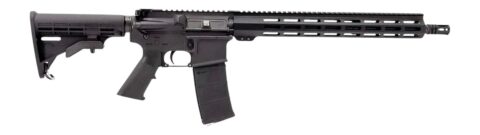
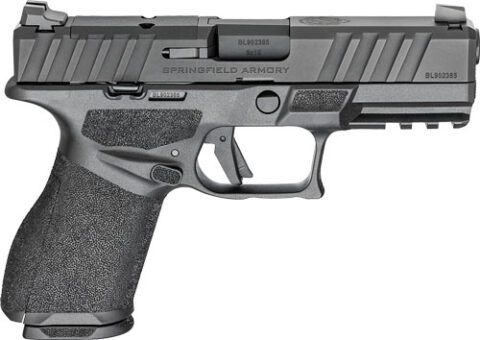
SPRINGFIELD ECHELON ALPHA 9MM – 4″ 15RD BLACK COMPACT FRAME
SPRINGFIELD ECHELON ALPHA 9MM - 4" 15RD BLACK COMPACT FRAME