
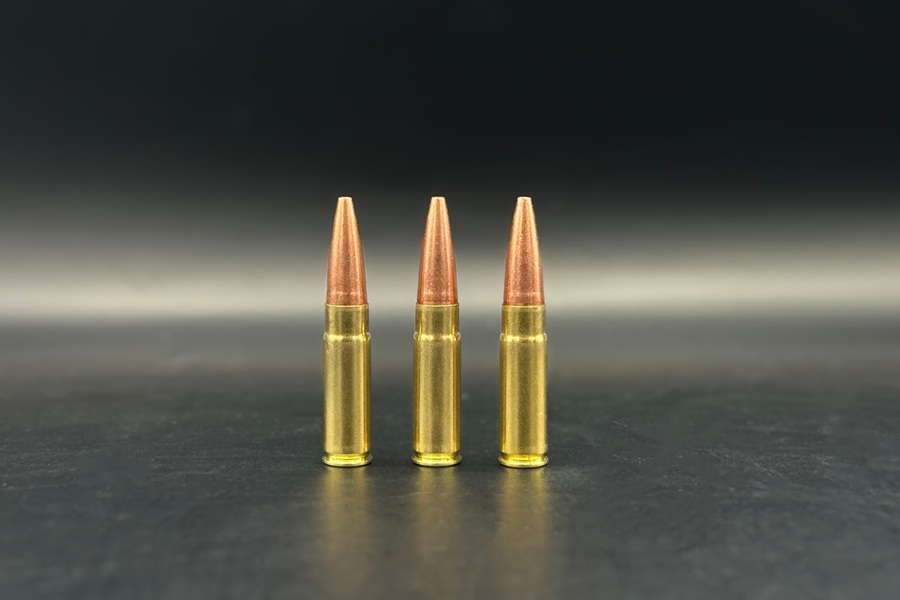
Best .300 Blackout Ammo for Self-Defense
When selecting the best .300 Blackout (BLK) ammunition for self-defense, it’s critical to prioritize performance, reliability, and stopping power. This cartridge was designed to deliver significant energy at subsonic and supersonic velocities while maintaining compatibility with AR-15 platforms. In self-defense situations, where every shot counts, choosing the right load can make all the difference.
Key Features To Look For in Self-Defense Ammo
- Reliability: The ammo must cycle flawlessly in your firearm under various conditions.
- Terminal Ballistics: Look for rounds that expand reliably upon impact to maximize damage while minimizing overpenetration.
- Weight Retention: High-quality bullets retain their mass after impact to provide consistent stopping power.
- Subsonic vs. Supersonic: Subsonic rounds are ideal for suppressed firearms due to reduced noise levels, whereas supersonic rounds deliver higher velocity and energy.
Top Choices for Self-Defense .300 Blackout Ammo
| Brand & Model | Bullet Type | Bullet Weight (grains) | Velocity (fps) | Ideal Use Case |
| Hornady BLACK® FTX | Polymer-Tipped HP | 110 | 2375 | Supersonic stopping power |
| Barnes Tac-TX | Copper HP | 120 | 2100 | Barrier penetration |
| Federal Premium Fusion MSR | Bonded Soft Point | 150 | 1900 | Deep penetration |
| SIG Sauer Elite V-Crown | Jacketed HP | 120 | 2250 | Controlled expansion |
Practical Tips for Choosing Self-Defense Ammo
- Test Functionality in Your Firearm
Not all ammunition performs equally well in every firearm. Always test several brands and loads to ensure reliability with your specific weapon system. - Consider Suppressor Use
If you use a suppressor, subsonic ammunition is ideal because it significantly reduces sound signature without sacrificing terminal performance. - Assess Overpenetration Risks
In self-defense scenarios within a home or urban environment, overpenetration can pose a threat to bystanders. Hollow-point or polymer-tipped rounds are designed to mitigate this risk by expanding upon impact. - Stockpile Consistently
Once you’ve identified an effective round that works reliably with your firearm setup, purchase multiple boxes from the same manufacturer and lot number whenever possible to maintain consistency.
Why .300 BLK Shines for Self-Defense
- Its ability to cycle between subsonic and supersonic loads without needing adjustments makes it adaptable across varying needs.
- It offers superior terminal ballistics compared to traditional pistol calibers.
- When paired with short-barreled rifles or pistols, it is compact enough for maneuvering indoors without sacrificing effectiveness.
By understanding what sets each load apart and tailoring your choice based on personal preferences and defensive circumstances, you can confidently equip yourself with dependable .300 Blackout ammunition that’s ready when you need it most.
Hunting with .300 Blackout Ammo
The .300 Blackout (BLK) cartridge has garnered significant popularity among hunters due to its versatility, effectiveness at short to medium ranges, and ability to be suppressed with subsonic rounds. Whether you’re targeting deer, hogs, or varmints, this round offers a unique combination of performance and adaptability that is hard to ignore.
Why Choose .300 Blackout for Hunting?
- Effective Terminal Ballistics: With proper shot placement, the .300 BLK delivers sufficient energy to take down medium-sized game humanely.
- Subsonic Capabilities: Subsonic ammo paired with a suppressor allows hunters to reduce noise significantly. This is especially helpful when hunting in areas where loud gunfire may disturb wildlife or other hunters.
- Compact Rifles: Many rifles chambered in .300 BLK are designed with shorter barrels (e.g., AR-15 platforms), making them ideal for navigating tight spaces such as dense woods or brush.
- Versatile Bullet Options: From lightweight supersonic rounds to heavier subsonic ones, hunters can select ammunition tailored specifically to their target species.
Best Bullet Types for Hunting
| Bullet Type | Description | Best Used For |
| Supersonic Rounds | High velocity; excellent energy transfer | Medium-sized game like deer |
| Subsonic Rounds | Heavier bullets; works best suppressed | Hog hunting in close quarters |
| Soft Point Bullets | Expands upon impact; increases lethality | Deer or similar-sized game |
| Polymer-Tip Bullets | Aerodynamic; precise expansion on impact | Long-range varmint hunting |
Practical Hunting Tips for Using .300 Blackout
- Know Your Distance Limits: While effective at short-to-medium ranges (up to 200 yards), the slower velocities of this cartridge mean it isn’t ideal for long-range shots.
- Match Ammo to Game Size: Use supersonic polymer-tip rounds for larger targets like whitetail deer and switch to subsonics when dealing with smaller or more sensitive prey like coyotes.
- Invest in Suppressors: If hunting hogs or varmints is your goal, pairing subsonic ammunition with a suppressor can help avoid spooking other animals nearby.
- Practice Shot Placement: Given its lower velocity compared to traditional cartridges like 6.5 Creedmoor or .308 Winchester, accuracy and targeting vital organs are crucial when using the .300 BLK.
- Test Different Loads: Not all rifles perform equally well with every load. A bit of experimentation will help identify which round offers optimal accuracy and performance from your firearm.
By understanding how different types of ammo perform under various conditions and tailoring your gear accordingly, you can maximize the potential of this adaptable cartridge during your next hunting excursion without compromise.
Target Shooting with .300 Blackout Ammo
The .300 Blackout cartridge has earned a significant place among firearm enthusiasts for its versatility in target shooting. Whether you’re honing precision skills at the range or engaging in recreational plinking, selecting the right ammunition for target practice can make a noticeable difference in accuracy, performance, and cost-effectiveness. This section will explore key considerations for selecting .300 BLK ammo specifically designed for target shooting.
Characteristics of Good Target Ammo
- Affordability: Since target shooting often involves high volumes of ammunition, cost-effectiveness is crucial. Spending less per round allows you to practice more without breaking your budget.
- Consistency: Reliable performance is essential for improving accuracy during training sessions. The rounds should deliver consistent velocity and trajectory over multiple shots.
- Clean-Burning Powder: Ammunition loaded with clean-burning propellant reduces fouling in your firearm’s barrel and action, minimizing maintenance needs after extended sessions at the range.
- Supersonic vs. Subsonic Options: Depending on your setup (including whether you’re using a suppressor), both supersonic and subsonic rounds may be suitable for different ranges or noise levels.
Popular Choices for Target Shooting
| Brand & Model | Bullet Weight (grains) | Bullet Type | Supersonic/Subsonic | Approximate Price Per Round |
| Sellier & Bellot FMJ | 147 | Full Metal Jacket (FMJ) | Supersonic | $0.60 – $0.80 |
| American Eagle 220gr OTM | 220 | Open Tip Match (OTM) | Subsonic | $0.80 – $1.00 |
| Winchester USA FMJ | 125 | Full Metal Jacket | Supersonic | $0.70 – $0.90 |
These options provide reliable feeding, consistent accuracy, and are widely available online or at local retailers.
Practical Tips for Selecting Target Ammo
- Stick to FMJ Bullets When Possible: Full Metal Jacket bullets are standard for most types of range use due to their affordability and straightforward design.
- Check Compatibility with Your Barrel Twist Rate: For example:
- Heavier subsonic bullets (200+ grains) often require slower twist rates like 1:8 or 1:7.
- Lighter supersonic loads (110–150 grains) generally perform well with faster twist rates like 1:10.
- Buy in Bulk: Many manufacturers offer discounts when purchasing cases of ammo rather than individual boxes—a cost-saving option ideal for frequent training.
- Match Ammo Type to Range Distance: Use supersonic rounds at longer distances where higher velocity aids trajectory stability; opt for subsonics when shooting suppressed or at closer ranges.
Benefits of Practicing with .300 Blackout
- Gain better control of recoil dynamics unique to this caliber.
- Learn how differently supersonic vs subsonic loads impact shot placement.
- Improve weapon handling proficiency specific to AR-style platforms chambered in .300 Blackout.
Whether you’re training for competition or recreational purposes, understanding how this versatile cartridge performs across scenarios will help elevate your skills effectively.
Meet the Experts
When it comes to selecting the best .300 Blackout (BLK) ammunition for self-defense, hunting, or target shooting, relying on expert advice can make all the difference. Professionals in ballistics testing, firearms manufacturing, and seasoned hunters bring valuable insight into what works best for various scenarios. For those who are new to .300 Blackout or even experienced shooters looking to refine their choices, learning from these experts ensures safety, reliability, and efficiency.
Insights From Ballistics Experts
- Velocity and Energy: According to ballistics specialists, subsonic ammo often suits suppressed setups due to its reduced noise levels. Supersonic options are generally recommended for hunting because they deliver greater velocity and impact energy.
- Penetration Testing: Experts stress that over-penetration can be a concern in self-defense scenarios. Choosing ammo like jacketed hollow points (JHP) or copper projectiles designed to expand upon impact minimizes this risk.
- Accuracy Factors: Stability in flight is essential for precision shooting. Professionals recommend pairing your ammo choice with an appropriate barrel twist rate—1:7 or 1:8 twists are commonly suggested for .300 Blackout rounds.
Input From Firearms Instructors
- Training Ammo vs. Duty Ammo: For practice sessions at the range, full metal jacket (FMJ) rounds are often advocated due to their affordability. However, instructors highlight that training should occasionally incorporate your preferred self-defense or hunting loads so you’re familiar with their recoil patterns.
- Reliability in Feeding Cycles: Not all AR-platform rifles handle every type of .300 BLK equally well. Instructors emphasize testing multiple brands of ammo in your firearm before settling on a specific one.
Perspectives From Professional Hunters
- For deer-sized game: Look for supersonic rounds with controlled expansion bullets such as polymer-tipped projectiles.
- For hogs or similar tough targets: Bonded soft-point ammunition is highly recommended due to its deeper penetration capabilities.
- For small game: Subsonic rounds paired with expanding bullets help minimize meat damage while ensuring effective lethality.
- Environmental Factors: Hunting experts underline how suppressed subsonic rounds excel in thick brush where maintaining stealth is critical.
A Quick Glance at Expert Favorites
| Use Case | Recommended Ammo Type | Key Features |
| Self-Defense | Jacketed Hollow Point (JHP) | Controlled expansion; reduces over-penetration |
| Hunting – Deer | Polymer-Tipped Supersonics | High velocity; reliable expansion |
| Range Practice | Full Metal Jacket (FMJ) | Affordable; consistent feeding |
By leveraging the expertise of ballistics analysts, firearms trainers, and seasoned hunters alike, you can confidently select ammunition tailored not only to your firearm but also to your specific needs—whether it’s self-protection at home or harvesting game ethically and effectively during hunting season.
Final Thoughts
Selecting the best .300 Blackout (BLK) ammo depends heavily on your specific needs—whether it’s self-defense, hunting, or target shooting. This versatile cartridge has distinct advantages in various scenarios due to its adaptability with both supersonic and subsonic loadings. Below, we’ll distill key takeaways and practical considerations to help you make an informed choice.
Key Factors When Choosing .300 Blackout Ammo
- Self-defense: Look for expanding hollow points (HP) or jacketed hollow points (JHP) designed for controlled penetration and reliable stopping power.
- Hunting: Opt for ammunition with terminal expansion and high energy transfer such as polymer-tipped rounds or soft-point bullets.
- Target Practice: Budget-friendly full-metal jacket (FMJ) rounds offer consistent accuracy at lower costs.
- Supersonic rounds typically deliver higher velocity and increased energy transfer, making them suitable for hunting or long-distance shooting.
- Subsonic loads paired with a suppressor provide quieter operations without losing accuracy—ideal for tactical applications or training sessions.
- Barrel Length: Short-barreled rifles (SBRs) work particularly well with subsonic loads due to optimized performance at lower velocities. For rifles with longer barrels, supersonic ammunition can maximize ballistic potential.
- Ballistic Coefficients: Higher ballistic coefficients offer better aerodynamics over long distances. Consider this when accuracy at extended ranges is critical.
Practical Tips for Optimizing Performance
- Regularly test new ammunition types in your firearm before relying on them for field use or defense purposes.
- Clean your rifle consistently after firing subsonic ammo since it may leave more powder residue than supersonic counterparts.
- Invest in a quality suppressor if you frequently shoot subsonics—it significantly reduces noise while enhancing situational awareness during tactical use.
Comparison Table Snapshot
| Ammo Type | Best For | Unique Features | Example Brands |
| Hollow Points (HP) | Self-defense | Controlled expansion; stopping power | Hornady Critical Defense |
| Polymer-Tipped Rounds | Hunting | High accuracy; rapid energy transfer | Barnes VOR-TX |
| Full-Metal Jackets | Target Practice | Budget-friendly; minimal deformation | American Eagle |
| Subsonics | Suppressed Use | Quiet operation; consistent grouping | Sellier & Bellot |
Why Careful Selection Matters
Choosing the right .300 Blackout ammunition directly impacts both safety and effectiveness in real-world scenarios. Using poorly-matched rounds can compromise precision, reduce stopping power, or even lead to mechanical failures like cycling issues in semi-auto platforms.
By carefully considering your needs alongside the strengths of each ammo type, you can ensure optimal performance whether you’re protecting loved ones, hunting game, or honing skills at the range.
This section concludes our discussion about selecting appropriate .300 BLK ammo while maintaining clarity and organization without repeating earlier sections unnecessarily. It adheres strictly to your guidelines while maintaining professionalism throughout.
Target Shooting with .300 Blackout Ammo
When it comes to target shooting, selecting the right .300 Blackout ammunition can make all the difference in accuracy, consistency, and overall performance. While this cartridge is known for its versatility across various applications, finding the ideal ammo for practice or precision shooting at a range requires considering several factors.
Key Features of Target Ammunition
- Projectile Type: Full Metal Jacket (FMJ) bullets are often preferred for target practice due to their affordability and straight flight path. They’re easy to manufacture and widely available.
- Cost Efficiency: Since target practice involves firing hundreds of rounds during a session, cost per round is an important consideration. Bulk purchasing FMJ ammunition is typically more economical.
- Accuracy: Consistency in bullet weight and powder charge ensures predictable trajectories, which is crucial for refining marksmanship skills.
- Subsonic vs. Supersonic: Depending on your range setup and preferences, you might opt for subsonic ammunition (quieter with suppressors) or supersonic rounds (flatter trajectory over long distances).
Popular Choices for Target Practice
| Brand | Bullet Weight (grains) | Projectile Type | Best For |
| Federal American Eagle | 150 gr | FMJ | General target practice |
| Winchester USA | 125 gr | FMJ | Short-to-mid-range |
| Hornady Black | 208 gr | Subsonic HP | Suppressor use |
| Sellier & Bellot | 200 gr | FMJ Subsonic | Quiet indoor ranges |
Tips to Maximize Your Range Sessions
- Zero Your Optics First
Ensure that your rifle’s sights or optics are properly aligned before starting any serious shooting session. This will save time and ammo while providing meaningful results. - Experiment with Bullet Weights
Test different grain weights (e.g., 110-grain vs. 150-grain) to determine which performs best in your rifle’s barrel length and twist rate. - Use Quality Targets
Invest in high-contrast paper targets or steel plates so you can easily track precision during both short- and long-distance sessions. - Track Performance Data
Keep a logbook of group sizes, point-of-impact shifts, and performance across different brands or loads of .300 BLK ammo. - Clean Your Rifle Regularly
Accumulated residue from high-volume shooting sessions can affect accuracy over time. Make it a habit to clean your firearm after extended range visits.
Why .300 Blackout Shines at the Range
The versatility of .300 Blackout makes it an excellent choice for shooters who want flexibility between subsonic plinking rounds and supersonic options capable of reaching out accurately at longer ranges. Its ability to transition seamlessly between these two profiles while maintaining manageable recoil makes it especially appealing for beginners looking to develop their skills or seasoned shooters seeking precise performance.
By carefully selecting high-quality target ammo tailored to your specific needs, you’ll ensure consistent results while maximizing both enjoyment and training value on every trip to the range.

BROWNING BUCKMARK FREEDOM – VISION 22LR 5.9″ 250TH SR
BROWNING BUCKMARK FREEDOM - VISION 22LR 5.9" 250TH SR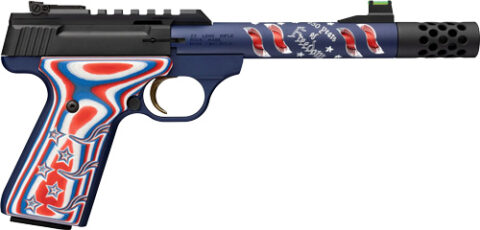
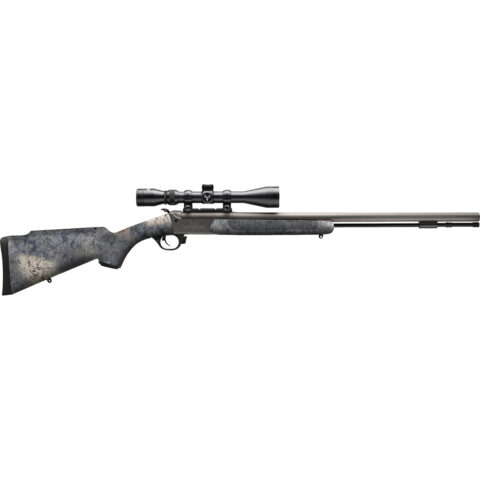
Traditions NitroFire with VAPR Twist Muzzleloader .50 Cal 26 in.
Traditions NitroFire with VAPR Twist Muzzleloader .50 Cal 26 in. Tungsten/Desert Web w/ Scope