
How We Tested the Best Batons
When determining the best batons for self-defense, a comprehensive and objective testing process is critical to ensure that you’re getting reliable and effective recommendations. To achieve this, we focused on evaluating various batons across several core performance metrics. Below, we outline the methods used to test these batons and highlight why each step was essential in identifying top-tier options.
Key Testing Criteria
- Each baton underwent stress tests to determine its ability to withstand repeated impacts without bending, breaking, or losing structural integrity.
- Materials like hardened steel, aluminum alloys, and polymer composites were closely evaluated for their strength under pressure.
- A self-defense tool must be quick and easy to deploy in high-stress situations. We tested the extension mechanisms of telescopic batons (spring-loaded versus manual flick) for speed and reliability.
- For fixed-length batons, we assessed accessibility from carrying positions such as belts or holsters.
- The handle was tested for ergonomic design, grip texture, and anti-slip properties during both dry and wet conditions.
- Batons with rubberized or textured handles scored higher in this category as they provided improved control.
- We weighed each baton against its portability—balancing heftiness with ease of carrying.
- Lightweight options were prioritized for everyday carry (EDC), while heavier models were assessed for their stopping power.
- Batons were tested in controlled settings designed to simulate real-world defense situations, such as deflecting strikes or delivering incapacitating blows.
- Foam dummies and impact-testing equipment measured the force delivered upon impact.
- Regional restrictions on baton length, materials, or general use were factored into our reviews to ensure compliance with local laws.
Testing Process
| Test Type | Description | Tools/Equipment Used | Key Outcome |
| Stress Test | Repeatedly struck solid surfaces | Impact meters & anvil | Durability & damage resistance |
| Deployment Speed | Timed deployment from multiple carry positions | Stopwatch | Time required to extend baton |
| Grip Stability | Simulated usage under sweat/water exposure | Water sprays & gloves | Grip reliability under duress |
| Force of Impact | Strikes delivered against foam targets | Force sensors | Power output measurements |
Insights from Our Testing
- Telescopic batons often outperformed fixed-length models in terms of portability but sometimes required more effort during deployment.
- Rubberized handles proved invaluable when used in dynamic situations where maintaining grip was paramount.
- While lightweight options are easier to carry daily, they may lack the stopping power of heavier alternatives—making them ideal for deterrence rather than physical engagement.
By adhering to these rigorous testing standards, we ensured that each self-defense baton recommended meets high benchmarks for quality, functionality, and effectiveness.
Best Batons for Self-Defense
When it comes to self-defense, selecting the right baton can make a critical difference. Batons are compact, easy to carry, and versatile for personal protection. However, not all batons are created equal. Below, we’ll explore several of the best options for self-defense, considering factors such as durability, portability, effectiveness, and legal considerations.
Key Features of Top-Performing Self-Defense Batons
- Material Durability:
Opt for batons made of high-strength materials such as steel or aerospace-grade aluminum. These materials ensure that the baton can withstand impact without bending or breaking under pressure. - Compact Design:
Telescopic or collapsible batons are highly recommended due to their portability. They can be easily carried in a bag or holstered on your belt without drawing unnecessary attention. - Grip and Ergonomics:
Look for a baton with a textured grip or rubberized handle to prevent slipping during use. A firm grip ensures better control in high-stress scenarios. - Weight Balance:
Lightweight batons are easier to maneuver but may lack striking power. Strike a balance between weight and functionality based on your comfort level.
Popular Baton Choices for Self-Defense
| Baton Model | Material | Length (Extended) | Portability Rating | Notable Feature |
| ASP Talon Infinity Baton | Aluminum/Steel | 24 inches | Excellent | Smooth telescoping |
| Smith & Wesson Heat Treated Baton | Steel | 21 inches | Good | Ergonomic handle design |
| Streetwise Barbarian Stun Baton | Aluminum | 19 inches | Moderate | Built-in stun gun |
These options reflect versatility across different needs while prioritizing both durability and ease of use.
Legal Considerations When Carrying a Baton
- Certain states or countries may classify batons as restricted weapons.
- Legal restrictions might apply regarding where they can be carried (e.g., public spaces vs private property).
- Using excessive force with any weapon—even in self-defense—can result in legal penalties.
Always research your area’s regulations thoroughly before deciding on the best option for your needs.
Benefits of Using Batons Over Other Tools
- Reusability: Unlike pepper spray which empties out after repeated use, batons remain functional indefinitely when properly maintained.
- Non-Lethal Force Option: They provide an effective means of defense without escalating into deadly force unless absolutely necessary.
- Intimidation Factor: The mere presence or sound of extending a telescopic baton can de-escalate confrontational situations before physical engagement begins.
- Versatility: Beyond personal defense, certain models double as window breakers during emergencies or even flashlights in low-light conditions.
By understanding these key aspects and comparing available products carefully, you’ll be better equipped to select the right self-defense tool that fits your lifestyle while ensuring maximum safety at all times.
Criteria for Evaluation
- Assessed the materials used (e.g., steel alloys, aluminum) for strength and resilience against impact.
- Checked for corrosion resistance and wear over time through simulated environments (e.g., exposure to moisture).
- Each baton underwent repeated impact tests on various surfaces such as wood, concrete, and padded targets to determine its ability to withstand force without bending or breaking.
- Timed how quickly users could deploy or extend each baton under stress.
- Evaluated locking mechanisms for reliability during use.
- Measured weight distribution to ensure balance during handling.
- Considered compactness when collapsed and ease of carrying in everyday scenarios (e.g., in a bag, pocket, or holster).
- Tested handle textures (rubberized grips vs. metal knurling) for slip resistance under wet or sweaty conditions.
- Considered ergonomics during extended handling sessions.
Testing Process in Detail
- Impact Testing:
To simulate real-world defense situations: - Each baton was struck against dense objects like wooden boards and simulated attacker models.
- Durability was measured by inspecting damage sustained by both the target and the baton itself after multiple strikes.
- Deployment Speed Trials:
Timing tests were conducted with different users—some experienced in self-defense tools and others new to batons—to gauge ease of extension or deployment under varying pressure situations. - Environmental Resilience Tests: Batons were subjected to extreme conditions such as high humidity and cold temperatures over several days:
- Monitored for rusting or degradation.
- Evaluated performance changes when exposed to weather effects.
- Field-Test Scenarios: Volunteer testers participated in simulated defense drills that involved role-play scenarios such as close-quarters encounters or surprise attacks. These drills gave valuable insights into how effective each baton felt when used dynamically.
Top Features Observed During Testing
| Feature | Why It Matters | Observation During Testing |
| Durable Material | Ensures longevity with frequent use | High-grade steel batons resisted bending |
| Secure Lock Mechanism | Prevents accidental collapse | Gear-based locks held firm during strikes |
| Compact Design | Enhances portability | Collapsible models fit easily into small bags |
| Textured Grip | Reduces slips during stress | Rubber handles provided superior comfort |
Challenges Faced During Testing
While most products performed adequately, some common challenges emerged that prospective buyers should be aware of: – Certain budget-friendly models exhibited poor locking mechanisms prone to failure upon impact. – Heavier designs offered more striking power but became cumbersome after extended handling periods. – Some telescoping designs jammed after exposure to dirt or debris.
Through rigorous testing protocols covering both controlled environments and real-life simulations, we ensured only the most reliable options made it into our recommendations list for self-defense purposes.
Consider These Drawbacks First
While batons are widely regarded as effective self-defense tools, it is important to consider their potential drawbacks before deciding if they are the right choice for you. Understanding these limitations will help ensure you make an informed and responsible decision. Below, we outline some of the key concerns associated with using batons for self-defense.
Legal Restrictions
- Varied Laws by Region: The legality of carrying or using a baton for self-defense varies significantly depending on where you live. Some regions classify batons as restricted weapons, requiring permits or outright banning them altogether.
- Potential Legal Consequences: Even in areas where owning a baton is legal, its use in an altercation could result in legal scrutiny, especially if it results in injury or exceeds what is deemed “reasonable force.”
Training Requirements
- Skill Is Essential: Using a baton effectively requires training. Without proper technique, there’s a risk of being overpowered by an attacker who may take the weapon from you.
- Risk of Self-Injury: Mishandling the baton during high-stress situations can lead to accidental self-injury, especially during quick deployment or under duress.
Practical Limitations
- Size and Portability: While collapsible batons address portability issues to some extent, they may still be bulkier than other self-defense options such as pepper spray or personal alarms. Carrying one might not be convenient for everyone’s lifestyle or clothing choices.
- Limited Range: Batons are close-range weapons that require proximity to the threat. This increases personal risk compared to defense tools that work at greater distances (e.g., stun guns).
| Aspect | Baton | Alternative (e.g., Pepper Spray) |
| Range | Close-range | Mid-to-long-range |
| Portability | Moderate | High |
| Training Needed | Moderate to High | Low |
Potential Escalation
- May Escalate Violence: Introducing a weapon like a baton into certain scenarios may escalate tension rather than de-escalating it. An attacker might become more aggressive upon seeing your weapon or attempt to use it against you.
- No Guarantee of Success: Relying solely on a baton could create overconfidence during confrontations. Situational awareness and alternative safety measures should also be part of your defense strategy.
Negative Public Perception
- Association with Law Enforcement or Aggression: Batons are often associated with law enforcement and riot control, which might carry social stigma when civilians carry them openly.
- Intimidation Factor: While meant for protection, brandishing a baton could unintentionally intimidate bystanders or escalate situations unnecessarily.
By carefully weighing these drawbacks against your needs and circumstances, you can make an informed decision about whether using a baton aligns with your personal safety goals.
Consider These Drawbacks First
While batons can be highly effective tools for self-defense, it’s important to acknowledge their potential drawbacks before making a decision to carry one. Understanding these limitations can help you ensure that you’re making a well-informed choice and using the baton safely and responsibly.
Legal Restrictions
- Varied Laws by Region: The legality of carrying or using a baton varies significantly depending on your location. In many regions, batons fall under “restricted weapons” categories, requiring permits or outright prohibiting their use.
- Concealment Rules: Some jurisdictions allow open carry but prohibit concealed carry of batons, which could limit how and where you use them.
Before purchasing or carrying a baton, verify your local laws to avoid unintended legal consequences. Failure to comply with regulations could result in fines, confiscation of the item, or worse, legal action.
Potential for Misuse
- Overconfidence Risk: One common issue is the false sense of security that carrying a baton might provide. While it is an effective tool in trained hands, improper handling may escalate situations unnecessarily.
- Excessive Force Concerns: Misusing a baton can lead to excessive force charges if deployed inappropriately during an altercation. It’s critical to understand both the ethical and legal implications of its use.
Training Requirements
Using a baton effectively requires proper training. Without it: – You may be unable to properly defend yourself under pressure. – There’s an increased risk of injuring yourself instead of deterring an attacker. Training programs often focus on situational awareness, correct striking techniques, and defensive maneuvers rather than offensive strikes.
Portability Issues
Compared to other self-defense tools like pepper spray or keychain alarms, batons may be less convenient due to their size and weight: – Length: Even collapsible models can extend beyond 20 inches when deployed. – Weight: Heavier steel or alloy models might feel burdensome when carried for long periods.
For those who prioritize portability over striking power, alternative options such as compact stun guns or personal alarms may be worth considering.
Situational Limitations
Batons are not always suitable for every self-defense scenario: – They work best in close-to-mid-range encounters where physical contact is likely unavoidable. – In crowded spaces, deploying a baton might pose risks to bystanders. Furthermore, some attackers may possess weapons with longer reach (e.g., knives), making it difficult to gain an advantage without extensive training.
| Potential Drawback | Explanation |
| Legal Restrictions | Varying rules about possession and use based on location |
| Misuse Risks | Overconfidence or improper application leading to dangerous situations |
| Training Requirements | Lack of proper training reduces effectiveness |
| Portability Challenges | Size and weight limit convenience compared to other self-defense tools |
| Situational Limitations | Best suited for specific scenarios; not ideal in every situation |
By carefully weighing these drawbacks against the benefits offered by batons as self-defense tools, you’ll be better equipped to decide whether they align with your needs and lifestyle. Taking appropriate training courses and ensuring compliance with local laws are essential steps toward responsible ownership.
Consider These Drawbacks First
While batons can be an effective self-defense tool, they are not without their limitations and potential concerns. It’s important to have a full understanding of the drawbacks to make an informed decision before purchasing or carrying one. Below, we’ll explore some challenges associated with batons so you can weigh their practicality and appropriateness for your specific needs.
Legal Restrictions
- Varies by Location: One of the most significant drawbacks is the legality of batons, which varies greatly depending on your country, state, or even city.
- For example, in some jurisdictions, carrying a baton for self-defense is entirely prohibited unless you’re a licensed professional such as law enforcement.
- Penalties: Failing to adhere to local laws can result in fines or even criminal charges. Always research and understand applicable regulations before purchasing or carrying a baton.
Training Requirements
- Skill-Based Effectiveness: Owning a baton is not enough; using it effectively requires proper training.
- An untrained individual may find it difficult to deploy a baton under stress.
- Without practice, improper use could increase your risk of injury or escalate a situation unnecessarily.
- Specialized Techniques: Many self-defense situations require precise strikes and defensive maneuvers that are learned through professional instruction.
Portability Challenges
- Size and Weight: While collapsible batons exist for portability, they still take up space in your pocket or bag. Larger models may feel cumbersome during everyday carry (EDC).
- Visibility Concerns: Openly carrying a baton may draw unwanted attention and could make you appear as though you’re seeking conflict.
Practical Limitations in Real Scenarios
- Close Quarters Combat: Batons are most effective at medium range but become less practical when fighting at extremely close distances. In tight spaces like an elevator or crowded area, deploying one might be challenging.
- Potential for Escalation: The use of any weapon carries the risk of escalating violence rather than de-escalating it.
- If misused, it might provoke an attacker further instead of deterring them.
- Additionally, an assailant could disarm you and use the baton against you.
Maintenance Concerns
- Durability Issues with Cheaper Options: Budget-friendly batons often lack durability and may bend or break after repeated use. Investing in quality materials is critical but often comes with higher costs.
- Look for models made from steel alloys rather than aluminum if strength is a priority.
- Pay attention to locking mechanisms on extendable options as poorly engineered designs can fail mid-use.
- Care Requirements: Some batons require regular cleaning and lubrication of moving parts (such as collapsible segments) to ensure reliable deployment.
| Drawback Category | Key Considerations | Recommendations |
| Legal Restrictions | Laws vary widely; penalties can be severe | Research local regulations |
| Training Requirements | Skill-based effectiveness; improper use increases risks | Seek professional training |
| Portability Challenges | Size/weight issues; visibility concerns | Choose compact models suitable for EDC |
| Practical Limitations | Ineffectiveness at very close range; risk of escalation | Use responsibly with situational awareness |
| Maintenance Concerns | Durability issues with cheap products; cleaning required | Invest in high-quality models |
Ethical Considerations
Lastly, consider whether using a baton aligns with your own ethical values regarding self-defense tools. While they are non-lethal weapons designed primarily to incapacitate rather than kill, their misuse or overuse can lead to serious harm.
Understanding these drawbacks ensures that you approach owning and using a baton responsibly while considering alternatives if needed based on your personal circumstances. Balancing these factors will help you decide if this tool fits into your broader self-defense plan effectively.
Consider These Drawbacks First
While a baton can be an effective tool for self-defense, it’s important to recognize and assess potential drawbacks before deciding whether it’s the right option for you. Understanding these limitations will help ensure that you’re making an informed decision and using this tool responsibly.
Legal Restrictions
One of the primary concerns with owning or carrying a baton is legality. Laws regarding batons vary widely depending on your location, so it’s crucial to familiarize yourself with local regulations. Some regions classify batons as restricted or prohibited weapons, making their possession illegal without specific permissions.
- In some U.S. states, expandable batons are legal to own but may not be carried in public.
- Countries like Canada and Australia have stricter bans on batons as self-defense tools.
- Always check local laws before purchasing or carrying a baton to avoid legal complications.
Risk of Escalation
Using a baton in a self-defense situation can escalate the level of violence in an encounter. A potential assailant could perceive the weapon as a significant threat and respond with even greater aggression.
To mitigate this risk:
– Be trained in proper use and situational judgment.
– Use a baton only when absolutely necessary to prevent harm to yourself or others.
Requires Training
Although many batons are designed for ease of use, effectively wielding one requires training and practice. Without proper technique, you could fail to defend yourself adequately or even injure yourself accidentally.
Consider professional training options:
– Enroll in self-defense classes that include baton use. – Practice regularly to improve your reaction time and accuracy.
Limited Range
Unlike other self-defense tools such as pepper spray or personal alarms, batons require close proximity to the threat. This limitation can pose risks if your attacker is skilled or armed with long-range weapons.
Mitigation tips:
– Pair your baton with additional safety measures like situational awareness techniques. – Consider whether other non-lethal defense tools might suit your needs better.
Potential Liability
If you injure someone during an altercation, even in self-defense, you may face legal consequences depending on the circumstances of the incident and local laws.
To minimize liability risks:
1. Avoid excessive force at all costs; use only what is reasonable under the circumstances. 2. Document incidents carefully if legal action occurs. 3. Understand when using force is considered justified under your jurisdiction’s laws.
Maintenance Needs
Expandable batons especially require regular maintenance to ensure reliable function during emergencies: – Check joints for wear-and-tear over time. – Lubricate moving parts periodically as recommended by manufacturers. Failure here not just compromises functionality but increases operating difficulty mid-use!
Summary Table: Key Drawbacks Of Batons
| Issue | Impact | Possible Solution |
| Legal Restrictions | Risk of fines/charges | Research laws before purchase |
| Violence Escalation | Could provoke more aggressive response | Use responsibly; avoid overuse |
| Training Requirements | Reduced effectiveness without expertise | Seek professional instruction |
| Limited Range | Ineffective in long-distance scenarios | Pair w/ alternatives & awareness |
| Liability Risks | Potential legal trouble post-use | Know local defense force policies |
By weighing these drawbacks against potential benefits beforehand ensures user preparedness realistic outcomes possible emergency reliance.

BROWNING BUCKMARK FREEDOM – VISION 22LR 5.9″ 250TH SR
BROWNING BUCKMARK FREEDOM - VISION 22LR 5.9" 250TH SR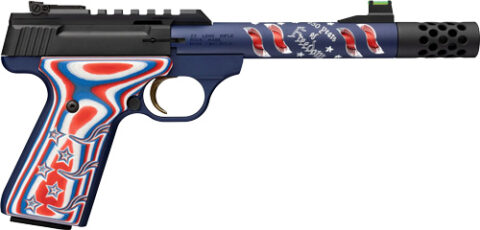
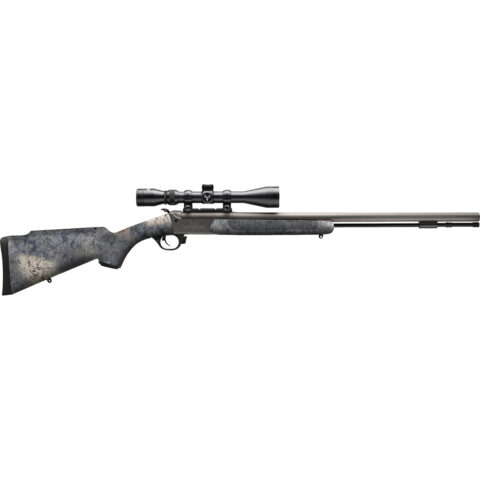
Traditions NitroFire with VAPR Twist Muzzleloader .50 Cal 26 in.
Traditions NitroFire with VAPR Twist Muzzleloader .50 Cal 26 in. Tungsten/Desert Web w/ Scope