
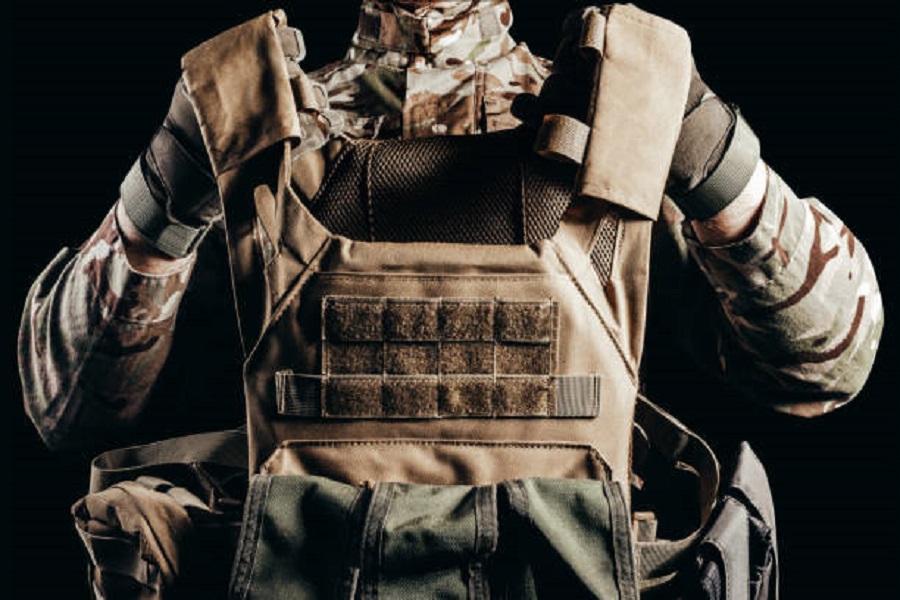
Body Armor Comparison Chart
When choosing body armor, comparing the key features, materials, and protection levels is essential for making an informed decision. Below is a detailed comparison chart of common types of body armor, highlighting their strengths and weaknesses to help you evaluate which option suits your needs best.
| Body Armor Type | Material | Protection Level | Weight | Flexibility | Cost Range |
| Soft Armor (Kevlar) | Kevlar/Aramid | NIJ Level II, IIIA | Lightweight | Highly flexible | $$ |
| Hard Plates (Ceramic) | Ceramic | NIJ Level III, IV | Moderate to heavy | Low flexibility | $$$ – $$$$ |
| Hard Plates (Steel) | Steel | NIJ Level III, IV | Heavier | Low flexibility | $$ – $$$ |
| Polyethylene Plates | UHMWPE | NIJ Level III | Very lightweight | Moderate flexibility | $$$$$ |
Key Takeaways from the Chart
- Ideal for concealed use under clothing due to its lightweight and flexible design.
- Best suited for protection against handgun rounds (up to . 357 Magnum or . 44 Magnum with higher-level soft armor).
- Provides robust protection against rifle rounds (e. g. , AR-15 or AK-47), which soft armor cannot stop effectively.
- Ceramic plates are lighter than steel but more expensive.
- Steel plates are durable but tend to be heavier and can produce spall unless paired with anti-spall coatings.
- Among the lightest materials available for hard plates.
- Floats in water compared to ceramic or steel plates; ideal for certain tactical environments.
Choosing Based on Environment
- Urban Patrol/Daily Wear:Opt for soft armor with a focus on comfort and mobility. Look for thinner options that are easily concealed under casual clothing.
- Tactical/High-Risk Operations:Hard plates should be prioritized in situations where rifle fire is a concern. Ceramic or polyethylene plates offer better balance between weight and protection during prolonged missions.
- Budget-Conscious Buyers:Those working within a tight budget might consider entry-level steel options with coating upgrades; however, keep in mind the trade-offs in weight and potential spalling.
This comprehensive overview aims to simplify comparisons across different types of body armor while offering practical insights into their usage scenarios. With this foundation, identifying the right protective gear becomes less overwhelming as each choice aligns with specific needs and circumstances.
How We Tested the Best Body Armor
Testing body armor requires a thorough and systematic evaluation process to ensure reliability, performance, and safety. In this section, we’ll break down the key steps we took to test both hard plates and soft armor. The goal was to mimic real-world scenarios while maintaining controlled, repeatable conditions.
Testing Criteria
The following criteria were used as benchmarks for assessing each piece of body armor:
– Ballistic Performance: Does the armor stop the rounds it is rated for? Testing involved shooting various calibers specified by the manufacturer’s rating.
– Durability: We evaluated how well the armor held up after repeated impacts or exposure to environmental stressors such as water or extreme temperatures.
– Weight and Comfort: Body armor must strike a balance between protection and wearability. We assessed how comfortable each piece was during prolonged wear, including factors like flexibility and weight distribution.
– Coverage Area: The dimensions of protection were reviewed to determine whether critical areas of the body were shielded effectively.
– Ease of Use: For hard plates, we assessed ease of insertion into carriers; for soft armor, we considered concealability under standard clothing.
Testing Process
- For hard plates (Level III and above), we tested with rifle rounds such as 5. 56×45mm NATO and 7. 62×39mm ammunition at varying distances (10m–30m). This mirrors realistic combat or active shooter scenarios.
- Soft armor was tested using handgun rounds like 9mm Luger and . 45 ACP at close range (5m–15m).
- To simulate real-world situations where multiple impacts occur in quick succession, multiple shots were fired at different points on the same plate or panel to assess its ability to maintain integrity over time.
- Armor was exposed to water immersion, UV light exposure for extended durations, and extreme temperatures (-20°C to 50°C). These tests ensured that performance metrics remained consistent across diverse environments commonly faced by law enforcement or military personnel.
- Volunteers wore each type of body armor during tasks requiring mobility—such as running, crouching, or crawling—to gauge overall comfort during high-intensity activity.
Test Results Overview
| Feature | Hard Plates | Soft Armor | Key Takeaways |
| Ballistic Protection | Superior against rifles | Effective against handguns | Hard plates offer better protection but are heavier than soft options. |
| Weight | Heaviest | Lightweight | Longer missions may favor soft armor due to reduced fatigue. |
| Concealment | Low | High | Soft panels are better suited for covert operations. |
| Durability | High resistance | Moderate resistance | Hard plates excel in extreme conditions but can be cumbersome. |
Why Testing Matters
Real-life protection depends on performance consistency under pressure. Rigorous testing ensures that you can trust your gear when it matters most—whether you’re a first responder dealing with unpredictable situations or a civilian seeking additional security in uncertain environments.
How We Tested the Best Body Armor
When it comes to evaluating body armor, rigorous and standardized testing is essential to ensure the gear performs as expected in real-world scenarios. For this article, we adopted a comprehensive approach combining laboratory analysis with field-testing to provide reliable insights into the performance of both hard plates and soft armor. Below is an overview of how we conducted our tests and what criteria were prioritized.
Testing Methodology
- Conducted controlled shooting tests using various calibers ranging from common handgun rounds (e. g. , 9mm, . 45 ACP) to rifle rounds (e. g. , 5. 56x45mm, . 308 Winchester).
- Assessed penetration resistance and backface deformation (BFD) using clay or backing materials that simulate human tissue.
- Compared results against NIJ (National Institute of Justice) standards for ballistic protection levels, such as Level II, IIIA, III, and IV ratings.
- Exposed armor to environmental stressors like water submersion, high heat, freezing temperatures, and UV radiation to simulate wear during long-term use or extreme conditions.
- Dropped plates onto hard surfaces from various heights to assess impact resistance and material integrity.
- Measured each product’s total weight alongside user comfort during prolonged wear in diverse scenarios such as walking, running, crouching, or climbing.
- Observed how well soft armor conformed to body contours versus the rigidity of hard plates.
- Fired multiple consecutive rounds at the same plate area from varying angles to determine how well the material absorbed repeated impacts without compromising protection.
- Tested compatibility with different carriers for both hard plates and soft panels.
- Evaluated adjustability for users of various sizes and body types.
Metrics for Evaluation
| Testing Criteria | Key Considerations | Examples Assessed | Rating Scale |
| Ballistic Protection | Resistance against specific ammunition types | Handgun vs Rifle Rounds | NIJ Rating Levels II-IV |
| Durability | Resistance under environmental stress | Heat/Water/Drop Test Results | Pass/Fail |
| Weight | Total weight relative to protection provided | Lightweight vs Heavy | Quantified by lbs/kg |
| Comfort | Wearability over extended periods | Soft Panels vs Hard Plates | Subjective User Feedback |
Field-Testing Insights
- Soft armor performed exceptionally well in daily-use scenarios due to its lightweight design and flexibility. It was particularly effective in protecting against handgun threats while remaining inconspicuous under clothing.
- Hard plates offered superior protection against rifle calibers but were noticeably heavier during movement-intensive use.
- Plates incorporating modern materials like polyethylene combined excellent ballistic resistance with reduced weight compared to traditional steel options.
Notes on Longevity
While many manufacturers claim extended lifespans for their products, regular inspection is critical. Some materials degrade faster when exposed to water or UV rays over time despite their initial durability — proper storage can significantly extend usable life.
By conducting these tests systematically across different brands and models, we ensured an unbiased comparison that reflects real-life performance factors rather than purely theoretical claims. This data forms a foundation for helping you select body armor tailored specifically to your needs while understanding its practical limitations in everyday situations or high-risk environments.
How to Pick the Best Body Armor
Selecting the right body armor can feel overwhelming, especially with so many options available. Your choice will depend on several key factors, including your intended use, level of protection needed, and comfort preferences. Below is a detailed guide to help you make an informed decision when picking the best body armor for your needs.
Assess Your Threat Level
One of the first steps in choosing body armor is identifying the type of threats you expect to face.
- NIJ Level II:Protects against most common handgun rounds such as 9mm and . 40 S&W.
- NIJ Level IIIA:Offers protection against higher-powered handgun rounds like . 357 SIG and . 44 Magnum.
- NIJ Level III:Stops rifle rounds such as 7. 62 NATO FMJ but generally requires rigid hard plates.
- NIJ Level IV:Designed to stop armor-piercing rifle rounds and offers the highest level of ballistic protection.
Evaluate your risks carefully. For example: – Security guards might prioritize lighter soft armor (Level II or IIIA) for concealability. – Military personnel or those in high-risk environments may require Level III or IV hard plates for maximum protection.
Soft Armor
| Feature | Soft Armor | Hard Plates |
| Material | Flexible Kevlar or similar fibers | Rigid ceramic, steel, or polyethylene |
| Weight | Lightweight | Heavier |
| Protection | Handgun rounds | Rifle rounds |
| Concealability | Easily concealed under clothing | Bulkier; not easily concealed |
- Choose soft armorif you need flexibility, mobility, and lightweight wear.
- Opt for hard platesif rifle threat protection is critical.
Fit and Comfort
Proper fit is essential for both safety and comfort: 1.Coverage Area:The armor should cover vital organs without restricting movement. It should sit snugly against your torso without leaving gaps. 2.Adjustability:Look for adjustable straps or cummerbunds that allow you to customize fit based on your body shape. 3.Breathability:Many modern vests include moisture-wicking liners or ventilation channels to keep you comfortable during extended wear.
Durability and Material Considerations
The construction materials are a significant factor in both performance and lifespan: – Ceramics: Lightweight but can be fragile when dropped. – Steel: Extremely durable but heavier; requires anti-spall coatings to prevent fragmentation upon impact. – Polyethylene: Ultra-lightweight with excellent resistance but often more expensive than other materials.
Keep in mind that body armor has a shelf life: – Soft ballistic panels usually have a lifespan of 5 years due to material degradation over time. – Hard plates can last longer if properly cared for; however, inspect them regularly for cracks or damage after use.
Additional Factors
When choosing body armor, also consider these practical aspects: – Purpose: Will this be used daily (e. g. , as law enforcement gear), occasionally (e. g. , at shooting ranges), or only during emergencies? – Weight Distribution: Ensure evenly distributed weight across shoulders and back to avoid fatigue during prolonged use. – Accessories: Some vests offer modular systems with attachment points for pouches or holsters — ideal if you carry additional gear.
Tips for First-Time Buyers
If you’re buying body armor for the first time: 1. Research National Institute of Justice (NIJ) certifications to ensure you’re purchasing tested products that meet safety standards. 2. Try before buying whenever possible — different brands may fit differently even when labeled as the same size. 3. Avoid second-hand purchases unless you’re confident about their history; compromised materials could jeopardize effectiveness.
Choosing the best body armor ultimately comes down to balancing protection with practicality. With these considerations in mind, you’ll be better prepared to select gear that meets your needs while keeping you safe in challenging situations.
How to Pick the Best Body Armor
Choosing the right body armor is a critical decision that depends on multiple factors, including your specific needs, environment, and threat levels. With so many options available, it’s important to consider key aspects such as material types, protection levels, fit, and intended use. Below is a comprehensive guide to help you make an informed choice.
1.Understand Threat Levels and Ratings
Body armor is categorized by its ability to protect against specific types of threats.
| NIJ Level | Protects Against | Common Applications |
| Level II | Handgun rounds (e.g., 9mm) | Concealed carry or low-risk environments |
| Level IIIA | Higher handgun calibers (e.g., .44 Magnum) | Everyday wear for law enforcement or civilians in moderate-risk areas |
| Level III | Rifle rounds (e.g., 7.62mm FMJ) | Patrol duty or military operations in high-threat zones |
| Level IV | Armor-piercing rifle rounds (e.g., .30-06 AP) | Extreme combat scenarios or high-risk security roles |
Evaluate your personal risk level and select armor that meets or exceeds the threats you’re most likely to encounter.
2.Choose Between Hard Plates vs. Soft Armor
- Lightweight and flexible
- Typically rated up to NIJ Level IIIA
- Best suited for concealed everyday wear or low-profile environments
- Made from steel, ceramic, or polyethylene
- Heavier but provides higher protection (NIJ Levels III–IV)
- Ideal for tactical situations or combat zones where rifle threats are likely
Consider hybrid setups if you need both flexibility and increased protection—a combination of soft panels with optional hard plate inserts.
3.Fit and Comfort
Proper fit ensures both comfort and full coverage of vital areas such as the heart and lungs.
- Measure your chest circumference and torso length accurately before purchasing.
- Look for adjustable straps or modular designs that can adapt to different body shapes.
- Ensure side panels provide adequate wrap-around coverage without compromising movement.
- Try on multiple brands if possible—some manufacturers cater to specific body types better than others.
Ill-fitting armor not only reduces protection but may also cause discomfort during extended wear.
4.Material Considerations
- Kevlar®:Commonly used in soft armor; lightweight but limited against rifle threats.
- Ceramic Plates:Excellent at stopping high-caliber bullets; prone to cracking upon impact; heavier than polymer options.
- Polyethylene Plates:Ultra-lightweight alternative with strong ballistic resistance; resistant to water damage but often more expensive.
- Steel Plates:Highly durable against repeated impacts; heavy; prone to spalling unless coated with anti-spall layers.
Choose materials based on your operational needs—lightweight options are ideal for mobility-focused tasks, while heavier materials might be better suited for static defense positions.
5.Additional Features To Look For
- Moisture-wicking liners for comfort in hot climates
- MOLLE webbing systems for attaching pouches or gear
- Anti-spall coatings on steel plates
- Multi-hit capability for handling repeated impacts
- Compatibility with trauma pads for reducing blunt force energy
These extras can significantly improve usability depending on your environment.
Key Takeaway Table
| Factor | Soft Armor | Hard Plate Armor |
| Protection Level | Handguns (<III A) | Rifles up to IV |
| Weight | Lightweight | Heavy |
| Concealability | Easily concealed | Bulky under clothing |
| Cost | More affordable | Generally more expensive |
| Durability | Less durable over time | Longer lifespan |
By understanding these considerations thoroughly, you’ll be equipped to pick the best body armor suited specifically to your requirements without compromise.
How to Pick the Best Body Armor
Selecting the right body armor can feel overwhelming, especially with so many options on the market. The decision often depends on your unique needs, level of threat protection required, and personal preferences.
Determine Your Threat Level
Before purchasing body armor, think about the types of threats you’re most likely to face.
- Level II: Protects against most handgun rounds (e. g. , 9mm, . 40 S&W).
- Level IIIA: Offers higher protection against larger handgun calibers such as . 44 Magnum, while still remaining soft and flexible.
- Level III: Specifically designed for rifle threats (e. g. , 7. 62mm) and requires hard plates made from steel or ceramic materials.
Understanding the ballistic protection levels is crucial when choosing between soft armor (flexible and lightweight) or hard plates (rigid with maximum protection).
Choose Between Hard Plates and Soft Armor
| Feature | Hard Plates | Soft Armor |
| Protection Level | Higher (rifle-rated) | Lower (handgun-rated) |
| Weight | Heavy | Lightweight |
| Flexibility | Rigid | Flexible |
| Comfort | Less comfortable for daily wear | More comfortable |
| Ideal Use Case | Tactical/military environments | Concealed everyday wear |
For instance, law enforcement officers might need soft armor for regular patrolling but add hard plates in high-risk tactical scenarios.
Consider Materials and Build Quality
- Ceramic Plates: Lightweight but more fragile; best for short-term use or missions where mobility is key.
- Steel Plates: Excellent durability and multi-hit capability but heavier; may require anti-spall coating to reduce fragmentation risks.
- UHMWPE (Ultra-high-molecular-weight polyethylene): Extremely lightweight with excellent multi-hit resistance; ideal for extended wear.
- Kevlar/Aramid Fibers: Commonly used in soft armor due to flexibility while maintaining handgun-level ballistic resistance.
Focus on Fit and Comfort
Ill-fitting body armor can compromise both comfort and safety during use.
- Measure your torso carefully—front width across your chest as well as shoulder-to-waist length.
- Look for adjustable straps or modular designs that allow fine-tuning.
- Ensure there are no large coverage gaps when worn alongside other gear like backpacks or belts.
Consider testing mobility by mimicking real-life movements such as crouching or drawing a firearm while wearing the vest.
Factor in Additional Features
- MOLLE Webbing:For attaching tactical pouches or accessories like medical kits.
- Quick Release Mechanisms:Allows rapid removal during emergencies.
- Water Resistance:Essential if you’ll be operating in wet conditions.
- Breathability:Look for mesh liners or sweat-wicking materials to prevent overheating during extended wear.
Budget Considerations
- Entry-level options may provide adequate handgun protection at lower price points.
- For higher levels of threat defense (e. g. , rifle-rated plates), expect a significant investment—especially if you’re opting for lightweight materials like UHMWPE.
When possible, examine warranty terms as well as NIJ certification ratings to verify authenticity.
By following these guidelines carefully, you’ll find resilient body armor that matches both your lifestyle needs and protective requirements effectively without unnecessary trade-offs.

BROWNING BUCKMARK FREEDOM – VISION 22LR 5.9″ 250TH SR
BROWNING BUCKMARK FREEDOM - VISION 22LR 5.9" 250TH SR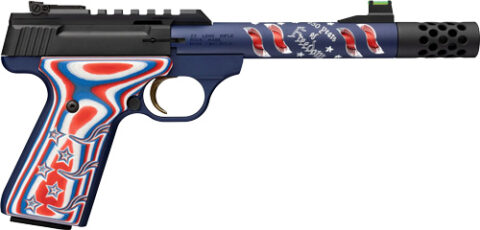
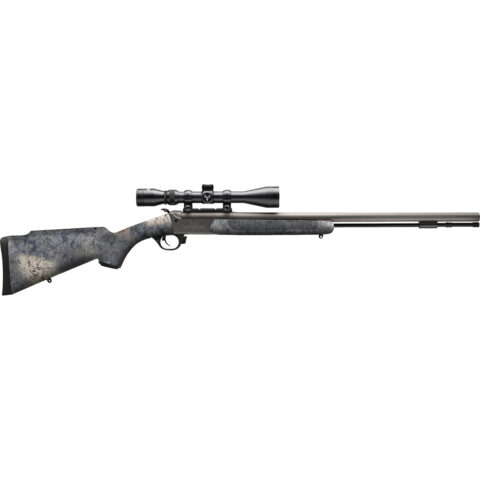
Traditions NitroFire with VAPR Twist Muzzleloader .50 Cal 26 in.
Traditions NitroFire with VAPR Twist Muzzleloader .50 Cal 26 in. Tungsten/Desert Web w/ Scope