
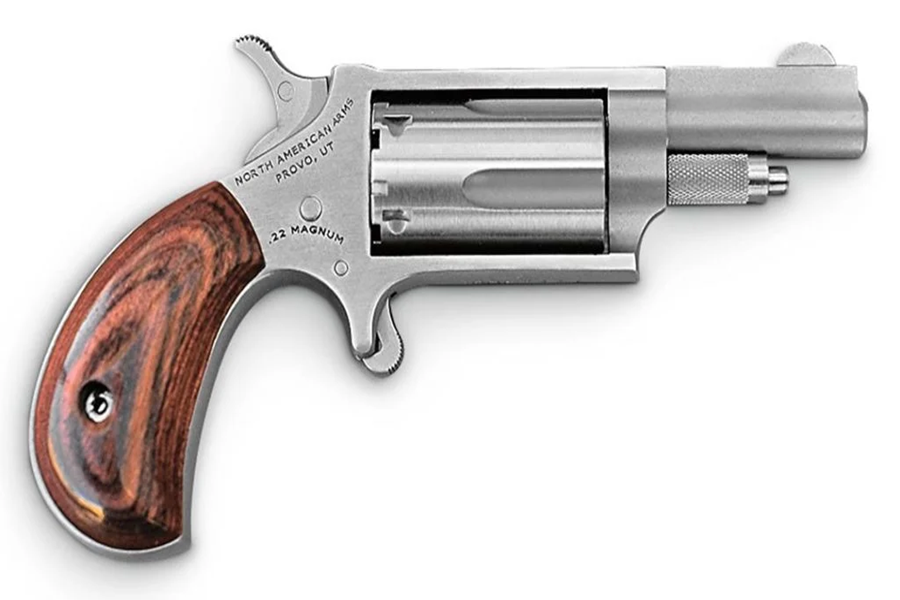
Best Derringers: Small Size, Serious Firepower
Derringers are an iconic class of firearm known for their ultra-compact size and surprising power. Originally designed in the 19th century, these tiny pistols have stood the test of time as a favorite choice for personal protection, backup guns, and concealed carry. While small in stature, they pack a punch that commands respect. This section explores what makes Derringers so unique and why they continue to be a practical choice for modern firearm enthusiasts.
Why Choose a Derringer?
- Compact Size: Measuring just a few inches long in most cases, Derringers are easy to conceal in virtually any situation. They fit comfortably in pockets, purses, ankle holsters, or even inside boots.
- Simplicity: Most Derringers operate with a break-action mechanism that is straightforward to use and maintain.
- Powerful Calibers: Despite their diminutive size, many Derringers are chambered for powerful calibers such as .38 Special, .45 Long Colt, or even .410 shotgun shells.
- Classic Design: Their vintage appeal makes them not only functional but also collectible. Many models feature beautiful craftsmanship with elegant wood grips or engraved finishes.
Advantages of Their Small Size
| Feature | Benefit |
| Lightweight Design | Easy to carry all day without fatigue |
| Discreet Concealment | Ideal for situations requiring low-profile self-defense |
| Close-Range Effectiveness | Designed primarily for short-distance engagements where precision matters |
These attributes make them particularly appealing as backup guns for law enforcement officers or as defensive tools for civilians who value convenience.
Serious Firepower in a Tiny Package
One of the most impressive qualities of Derringers is how much power they can deliver relative to their size. Models chambered in larger calibers like .357 Magnum or .45 ACP can provide stopping power comparable to full-sized handguns. However, keep in mind that firing higher-caliber rounds from such a small frame often results in significant recoil — something potential users should consider during training and regular use.
When selecting ammunition, choose loads appropriate not only for your specific model but also for its intended purpose (e.g., self-defense or recreational shooting).
Modern Appeal Meets Historical Charm
Derringers have evolved significantly since their inception while maintaining much of their historical charm. Modern models incorporate improved materials and engineering techniques while honoring the original spirit of compact efficiency. Whether you’re drawn to them as practical firearms or collectible pieces of history, there’s no denying their enduring appeal.
For those seeking serious firepower without sacrificing convenience or concealment capabilities, it’s hard to go wrong with one of these tiny titans.
Pocket Pistols: Why Derringers Are Making a Comeback
Derringers may seem like relics from a bygone era, but their enduring appeal has been quietly growing in recent years. These compact, easily concealable firearms offer a unique combination of vintage charm and practical utility, making them an increasingly popular choice among firearm enthusiasts and those seeking discreet self-defense options. Let’s explore why derringers are making a comeback in the world of modern firearms.
Compact Size and Easy Concealment
One of the biggest reasons for the resurgence of derringers is their size. These tiny firearms are designed to be carried discreetly and comfortably: – Their minimal profile makes it easy to carry them in pockets, handbags, or ankle holsters without drawing attention. – Ideal for concealed carry enthusiasts who prioritize discretion without sacrificing accessibility.
The compact nature of derringers also makes them well-suited for backup purposes. For those already carrying a primary firearm, adding a small derringer as an extra layer of security is an appealing option.
Simplicity of Design
Derringers are known for their straightforward mechanisms, which minimize technical complications while offering reliable performance: – Single or double-barrel designs limit moving parts, reducing the potential for malfunctions. – Their operation is simple and easy to learn—great for individuals with limited firearm experience or those looking to focus on basic functionality.
This simplicity appeals to both seasoned gun owners who want a no-frills backup weapon and beginners looking for something manageable.
Nostalgia Meets Practicality
For many connoisseurs, owning a derringer represents more than just functionality—it’s about heritage. Derringers evoke the classic aesthetic and spirit of 19th-century America when these small pistols gained popularity as weapons of choice for personal protection: – Many modern manufacturers create replicas or reinterpretations with updated materials but retain timeless designs. – This blend of history and innovation resonates with collectors and enthusiasts alike.
However, it’s not just nostalgia that drives interest; their adaptability in today’s world ensures they remain relevant beyond historical appeal.
Versatility in Caliber Options
Modern derringers come chambered in various calibers to suit different needs: – Popular choices include .22 LR for low-recoil practice or .38 Special/.357 Magnum when additional stopping power is necessary. – Some models accommodate multiple calibers using interchangeable barrels, providing flexibility based on individual requirements.
This versatility allows users to select models aligned with their specific goals—whether it’s self-defense or general shooting practice.
Renewed Focus on Backup Weapons
The resurgence also comes at a time when more individuals prioritize redundancy in personal protection plans. A derringer serves as an excellent secondary weapon due to its ability to stay hidden until needed most: – Small enough to avoid detection if your primary weapon is compromised. – Effective at close range where quick access matters most.
By complementing larger firearms rather than replacing them entirely, they fill an important niche within personal defense strategies.
As more people seek compact solutions that balance history with practicality, it’s no surprise that derringers have found renewed relevance today. Their unique qualities reflect both their roots in American craftsmanship and their ability to adapt seamlessly into modern life as discreet defensive tools. Whether you’re drawn by nostalgia or looking for function-packed minimalism, these pocket-sized pistols continue carving out a place in today’s firearm landscape.
What to Look for When Choosing the Best Derringer
When selecting the best derringer for your needs, it’s vital to understand the key factors that influence performance, usability, and safety. Derringers may be small in size, but they vary widely in terms of design, functionality, and purpose. Below are some important considerations to help you make an informed choice.
1. Size and Concealability
One of the primary appeals of a derringer is its compact design. To ensure it meets your needs:
– Compact Dimensions: Consider models that can easily fit in a pocket or holster without being bulky.
– Weight: Opt for lightweight materials such as aluminum or polymer if you plan on carrying often.
– Profile: A slim profile allows for discreet carry without printing under clothing.
| Model | Weight (oz) | Length (inches) | Concealability Rating |
| Bond Arms PT | 18 | 4.5 | High |
| Cobra Classic | 14 | 4.3 | Moderate |
2. Caliber Options
Derringers come in different calibers depending on their intended use. Understanding caliber options will help you pick one suitable for personal defense or recreational shooting: – Small Calibers (.22 LR): Ideal for minimal recoil and beginner shooters but less effective for self-defense. – Medium Calibers (.38 Special): Offers a balance between manageable recoil and stopping power. – Large Calibers (.45 ACP/.410 Bore): Excellent stopping power but typically harder to control due to recoil.
3. Build Quality and Materials
The longevity of your derringer depends heavily on build quality: – Look for frames made from durable materials like stainless steel or high-grade aluminum. – Check reviews and specifications regarding manufacturing tolerances to avoid poorly machined parts affecting performance. – Rubberized or textured grips can dramatically improve handling comfort.
4. Trigger Mechanism
Given their simplistic nature, derringers often have unique trigger mechanisms: – Single-action triggers require manual cocking before each shot but offer higher accuracy. – Double-action triggers allow faster firing without cocking but may require more effort to pull.
Additionally, test the trigger pull weight—heavier triggers tend to reduce accidental discharge risks but might be less user-friendly for those with limited hand strength.
5. Barrel Configuration
Derringers typically feature single or double-barrel configurations: – Single-Barrel Designs: Lightweight and ultra-simplistic but limited capacity (one shot).
– Double-Barrel Models: Offer two rounds per reload and are more versatile in emergency scenarios.
Additional Features
Some modern derringers come equipped with added features that enhance performance: – Interchangeable barrels allow you to switch calibers as needed. – Safety mechanisms like trigger guards or cross-bolt safeties reduce unintended firings. – Ported barrels can mitigate recoil effects, particularly on high-caliber models.
| Feature | Benefit |
| Interchangeable Barrels | Flexibility across multiple calibers |
| Cross-Bolt Safety | Added safety during concealed carry |
| Rubberized Grip | Enhanced comfort during extended use |
By carefully evaluating these factors—size, caliber, materials, barrel configuration—you’ll be better equipped to find a derringer tailored specifically to your needs. This attention to detail ensures optimal performance whether you’re using it as a backup firearm or for personal protection purposes where reliability is paramount.
Are Derringers Worth It? Pros and Cons Explained
Derringers, with their compact design and historical significance, have long been a favorite for those seeking a small, easy-to-carry firearm. However, like any weapon choice, they come with their own advantages and disadvantages. Below is a detailed breakdown to help you decide if purchasing one aligns with your needs.
Pros of Derringers
- Compact Size
Derringers are among the smallest firearms available. Their small frame makes them highly concealable, ideal for those who prioritize portability without sacrificing defensive capabilities. - Lightweight
Thanks to their minimalistic design, most derringers weigh far less than traditional handguns. This makes them comfortable for everyday carry (EDC), even in environments where discretion is key. - Simplicity of Use
Most derringers operate with a straightforward single or double-barrel firing mechanism. This simplicity makes them reliable under stress since there are fewer moving parts prone to failure. - Versatility in Ammunition
Many modern derringers can chamber various calibers ranging from .22 LR to .45 Colt—some even handling .410 shotgun shells. This adaptability gives users flexibility depending on their specific use case or preferences. - Affordability
Derringers are often more budget-friendly compared to larger handguns or revolvers. For those seeking an accessible entry-point firearm or a cost-effective backup weapon, this can be an appealing factor.
Cons of Derringers
- Limited Capacity
Most derringers only hold one or two rounds at a time due to their compact size. This limitation requires the user to be highly confident in their accuracy and quick decision-making during high-pressure situations. - Slower Reload Times
Reloading a derringer takes longer compared to semi-automatic pistols or revolvers, which could pose challenges in scenarios requiring multiple shots or sustained defense. - Short Effective Range
While suitable for close-range encounters (typically under seven yards), derringers lack the accuracy and power needed for mid-to-long range engagements. They’re best suited for personal protection rather than tactical operations. - Recoil Considerations
Small guns often mean more noticeable recoil, especially when chambered in larger calibers like .357 Magnum or .45 Colt. This can make them less comfortable for extended practice sessions at the range.
When Are Derringers Worth It?
| Use Case | Why Choose a Derringer? |
| Backup Firearm | Lightweight and compact size make it easy to carry discreetly alongside a primary firearm. |
| Concealed Carry | Ideal for carrying in pockets, ankle holsters, or other concealed locations due to minimal bulkiness. |
| Close Quarters Defense | Excellent option when defensive needs involve extremely short distances where precision isn’t paramount but quick access is essential. |
Situations Where They May Fall Short
- If you anticipate situations requiring high-capacity magazines.
- For users who prefer firearms designed specifically for longer engagement ranges.
- When rapid follow-up shots are critical; other handgun types may perform better here.
Ultimately, whether a derringer is worth it will depend on your intended use: as a backup weapon or discreet self-defense tool at close range—they excel; as an all-purpose defensive solution—they have notable limitations that should not be overlooked while deciding on your purchase strategy.
Best Derringers for Backup and Self-Defense
When it comes to self-defense, having a backup firearm can be a game-changer. Derringers, known for their compact size and simplicity, have long been a popular choice as backup weapons. Below, we’ll explore why these small firearms are ideal for personal protection and highlight key considerations to keep in mind when selecting one.
Why Choose a Derringer for Self-Defense?
- Compact Size: Derringers are among the smallest firearms available, making them easy to conceal in pockets, ankle holsters, or even small bags.
- Ease of Use: With minimal operational complexity (typically only one or two barrels), these firearms are easy to handle under stress.
- Close-Range Effectiveness: While they lack the range of larger handguns, derringers excel in close-range encounters where defensive actions typically occur.
- Reliability: Modern derringer models often incorporate advanced materials and designs that ensure robust performance despite their small size.
Key Uses as Backup Firearms
- As an Emergency Option
Should your primary firearm malfunction or become inaccessible during an encounter, a derringer serves as a reliable fail-safe option. - For Discreet Carrying Needs
Not all situations allow for carrying full-size handguns due to clothing restrictions or social settings. Derringers provide discreet carry without sacrificing personal security. - Home Defense Supplement
While not ideal as the sole means of home defense due to limited capacity, derringers can provide peace of mind near bedside tables or other accessible locations within your home.
Features That Make a Great Defensive Derringer
| Feature | Importance | Recommended Example |
| Caliber Choice | Choose calibers like .38 Special or .45 ACP for stopping power while balancing recoil control. | Bond Arms Roughneck |
| Build Quality | Look for stainless steel frames or durable alloys for longevity and reliability under stress. | American Derringer M1 |
| Safety Features | Modern models often include safety mechanisms to prevent accidental discharge during handling. | Cobra Enterprises Big Bore |
| Grip Comfort | Ergonomic grips improve control during firing – consider rubberized finishes or wooden grips. | Bond Arms Snake Slayer |
Limitations to Keep in Mind
- Low Ammo Capacity: Most models carry only 1–2 rounds at a time.
- Reload Speed: Reloading involves manual insertion of rounds into individual barrels, which can be slow under pressure.
- Recoil Sensitivity: Compact size often translates into noticeable recoil with higher-caliber ammunition.
Despite these drawbacks, many gun owners appreciate their utility as pocket-sized lifesavers when used appropriately.
Derringers remain highly valued by those seeking effective backup weapons for personal defense. By focusing on quality craftsmanship and practical features like caliber selection and grip ergonomics, you can find an ideal model tailored specifically to your needs.
Best Derringers for Backup and Self-Defense
Derringers have always been a popular choice for those seeking a compact, easily concealable firearm. Whether you’re looking for a reliable backup weapon or an ultra-discreet self-defense tool, derringers deliver simplicity and power in a small package. In this section, we’ll explore why derringers excel as backup firearms, the features to look for in a self-defense model, and some practical considerations when carrying one.
Why Derringers Make Effective Backup Guns
Derringers are designed with simplicity and portability in mind. They are particularly well-suited for individuals who already carry a primary firearm but want an additional layer of security. Here’s why they are often chosen as backups:
– Compact Size: Their small frame makes them easy to conceal in pockets, ankle holsters, or even discreet compartments within bags.
– Lightweight Design: Compared to larger handguns, derringers are lightweight, reducing the burden of carrying multiple firearms.
– Ease of Operation: With minimal moving parts and straightforward mechanics, they can be relied upon during high-stress situations.
Features to Look For in Self-Defense Derringers
If you’re considering a derringer for self-defense purposes rather than as just a backup weapon, you’ll need to assess some specific criteria:
1. Caliber Options: Choose calibers based on your comfort level and stopping power requirements. Popular calibers include .22 LR (for reduced recoil) and .45 Long Colt (for higher impact). Some models even accept shotgun shells like the .410 bore, offering versatility in close-range defense scenarios.
2. Build Quality: Look for durable materials such as stainless steel or high-grade alloys that resist wear-and-tear while maintaining performance reliability over time.
3. Grip Design: A comfortable grip ensures better handling under pressure. Many derringer manufacturers offer ergonomic grips made from wood or polymer that suit various hand sizes. 4. Trigger Mechanism: Check whether it has single-action or double-action functionality based on your personal preference for trigger pull weight and reset speed. 5. Safety Features: Built-in safeties can prevent accidental discharges – an essential consideration if you’re using it as an everyday carry item.
Practical Considerations When Carrying A Derringer
Whether carried daily or kept at home for emergencies, there are certain factors to bear in mind when handling or storing derringers: – Concealment Holsters: Small holsters designed specifically for derringers ensure secure carry without adding bulk. – Limited Capacity: With only 1–2 rounds available per reload cycle on most models, practice proficiency with the firearm before relying on it solely. – Legal Compliance: Ensure that carrying any concealed weapon complies fully with local laws applicable within your jurisdiction.
| Feature | Ideal Choice Example |
| Caliber | .38 Special / .410 Bore |
| Material | Stainless Steel Construction |
| Grip Style | Rubberized Grips |
| Weight Range | 8–14 ounces |
Derringers offer practicality where space is limited but peace-of-mind matters most—making them invaluable tools both as standalone defensive options & secondary tools users trust alongside more robust equipment.

CMMG 30A0ED0-AB Zeroed Banshee Mk4 300 Blackout 30+1 6.50″ Black
CMMG 30A0ED0-AB Zeroed Banshee Mk4 300 Blackout 30+1 6.50" Black Nitride Threaded Barrel, Black Armor Cerakote…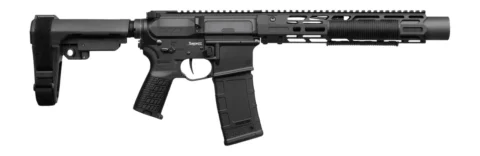
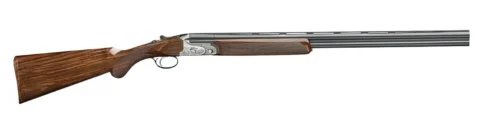
Rizzini USA 2203-2828 Aurum EVO 28 Gauge Break Open 3″
Rizzini USA 2203-2828 Aurum EVO 28 Gauge Break Open 3" 2rd 28" Black Over/Under Vent Rib…