
What Are Mouse Guns and Why Are They Popular?
Mouse guns, a term often used to describe ultra-compact and lightweight pistols, have gained significant popularity among firearm enthusiasts, concealed carry holders, and even those in specialized professions like private investigators. Their defining characteristics are their diminutive size and ease of concealment, making them ideal for situations where discretion is paramount.
Defining Mouse Guns
- Pocket carry: Small enough to fit comfortably into pants or jacket pockets.
- Ankle holsters: A favored method for those who want a backup weapon.
- Deep concealment methods: Ideal for covert situations where traditional holsters would be too conspicuous.
These firearms are often chambered in calibers like .22 LR, .25 ACP, or .32 ACP—ammunition types that contribute to their compact designs.
Why Mouse Guns Are Popular
- Ease of Concealment
Their small footprint allows them to remain hidden even under light clothing or in environments where carrying a firearm might otherwise draw unwanted attention. - Lightweight Design
Weighing significantly less than standard-sized handguns, mouse guns reduce fatigue during prolonged carry periods and don’t require heavy-duty gun belts. - Accessibility
These guns are quick to access in tight spaces or emergencies when larger firearms may be impractical. - Affordability
Many mouse gun models are budget-friendly while still offering reliability and functionality—a feature that appeals especially to first-time buyers. - Backup Weapon Functionality
Many experienced gun owners rely on mouse guns as secondary weapons alongside primary full-size pistols—important in high-security roles.
Common Uses
- Everyday concealed carry for civilians.
- Backup firearms for professionals working undercover.
- Home defense options when space is limited or discretion is key.
By understanding what makes these tiny pistols unique, one can better assess whether a mouse gun fits their personal needs or lifestyle requirements.
Key Features to Look for in Ultra-Compact Pistols
When selecting an ultra-compact pistol, also known as a mouse gun, several key features should be evaluated to ensure the firearm meets your specific needs. Mouse guns are designed for deep concealment and personal defense, so their features must prioritize functionality, reliability, and ease of use in high-stress situations. Below is a detailed breakdown of what to consider when choosing the right miniature firearm.
Size and Weight
Mouse guns are prized for their small size and lightweight construction, making them easy to carry discreetly. Here’s what to focus on: – Barrel Length: Most mouse guns have barrels under 3 inches, keeping them compact. – Overall Dimensions: Ensure the firearm can fit comfortably in a pocket holster or small concealed carry bag. – Weight: A firearm under 1 pound (when unloaded) is ideal for all-day carry without fatigue.
Build Quality and Durability
Compact doesn’t mean compromising durability. Look for materials that balance strength with weight: – Frame Material: Polymer frames reduce weight without sacrificing durability. Alternatively, aluminum alloy or steel provides added robustness with minimal bulk. – Slide Construction: Stainless steel or carbon steel slides are standard; these resist wear from repeated use and exposure to elements like sweat or moisture.
Ergonomics and Grip
Despite their small size, mouse guns should be comfortable to hold and operate: – Grip Texture: Textured grips provide a secure hold during recoil. Rubberized grips may add comfort over longer shooting sessions. – Accessibility: Controls like the safety switch or slide release should be easily operable even with smaller firearms.
Effective Sights
Accurate targeting is critical even in close quarters: – Many mouse guns feature low-profile iron sights that won’t snag on clothing or holsters. – Tritium night sights or fiber-optic inserts enhance visibility in low-light scenarios.
Trigger Quality
The trigger mechanism can affect both safety and accuracy: – A smooth trigger pull allows for better precision under pressure. – Double-action-only (DAO) triggers often have heavier pulls but provide additional layers of safety due to reduced chances of accidental discharge.
Magazine Capacity
Though smaller than standard pistols, many mouse guns offer sufficient capacity for self-defense: – Typical capacities range from 5–10 rounds depending on caliber. – Consider compatibility with extended magazines for additional round count if desired.
Caliber Options
Mouse guns are available in various calibers. Popular choices include .22 LR, .25 ACP, .32 ACP, .380 ACP, and even some 9mm models. Each caliber has unique benefits based on stopping power versus recoil management (covered further under “Caliber Options” later).
Ease of Concealment
Mouse guns excel at being discreet: 1. Pocket-friendly dimensions allow effortless carrying options such as inside-the-waistband (IWB), ankle holsters, or specialty garments designed for concealed carry. 2. Smooth edges minimize snag risks during quick draws.
By focusing on these essential features — size, build quality, ergonomics, sights, trigger design, magazine capacity, caliber choice, and concealability — you can select a highly effective ultra-compact pistol suited perfectly to your daily carry needs.
Best Mouse Guns for Deep Concealment
Mouse guns, known for their small size and exceptional concealability, have gained significant popularity among those who value discreet carry. These ultra-compact firearms are designed to be easily concealed in a pocket, waistband, or ankle holster while still providing personal protection in critical situations. When it comes to selecting the best mouse guns for deep concealment, it’s important to assess their unique qualities and practical applications. Below is a breakdown of key considerations and some standout models that embody the balance between size, reliability, and functionality.
Why Size Matters
- Professional attire: Slim-fitting clothing may not accommodate larger handguns without printing.
- Hot weather: Lightweight summer clothing often limits the ability to carry traditional compact or full-sized pistols comfortably.
- Non-permissive environments: Situations requiring highly discreet carry where even compact pistols may be too conspicuous.
Mouse guns cater specifically to users needing convenience without sacrificing personal safety.
Characteristics of Top Mouse Guns
- A barrel length under 3 inches ensures the firearm remains compact.
- Slim profiles reduce printing (visible outlines) under clothing.
- Most mouse guns weigh under 14 ounces unloaded, making them easy to carry all day with minimal discomfort.
- Simple controls such as double-action-only (DAO) or striker-fired mechanisms provide an intuitive user experience.
- Comfortable grip designs enhance handling despite smaller frames.
- Despite their size, mouse guns must feed and fire consistently without malfunctions.
Notable Mouse Guns Worth Considering
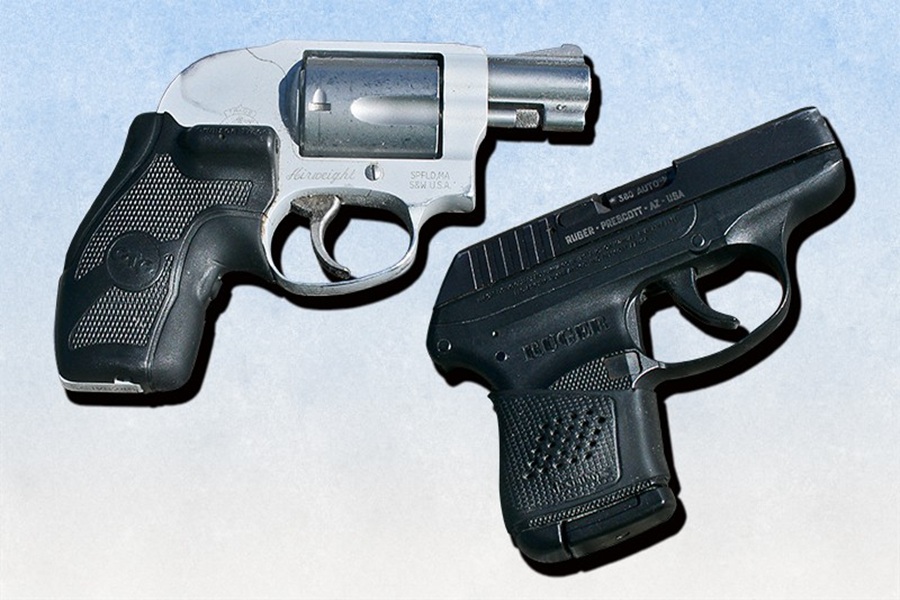
- Ruger LCP II (.380 ACP)
Known for its ultra-slim profile and lightweight polymer frame, this pistol is a favorite among concealed carriers due to its ergonomic grip and reliable performance. - Kel-Tec P32 (.32 ACP)
One of the lightest semi-auto pistols on the market today, weighing only 6.6 ounces unloaded. Its compact design makes it exceptionally portable. - Beretta Tomcat (.32 ACP)
Featuring a tip-up barrel design for easy loading/unloading without needing slide manipulation—perfect for those with limited hand strength or dexterity concerns. - Smith & Wesson Bodyguard 380 (.380 ACP)
Offers integrated laser sights for quick target acquisition while maintaining a slim silhouette ideal for pocket carry.
Balancing Concealability with Performance
- A .22 LR model might offer minimal recoil but lacks significant stopping power compared to .380 ACP alternatives.
- Larger calibers like .380 ACP provide enhanced defensive capabilities while still being manageable in such small platforms.
Ultimately, identifying the best mouse gun hinges on your individual preferences—such as comfort level with certain calibers—and intended use case scenarios like day-to-day carry versus backup weapon roles.
Deep-concealment firearms require thoughtful consideration but deliver invaluable peace of mind when chosen wisely.
Caliber Options: .22 LR, .25 ACP, .32 ACP, and Beyond
When selecting a mouse gun, one of the most critical factors for consideration is the caliber. The caliber determines not only the firearm’s size and weight but also its effectiveness for self-defense and ease of use. Here’s an in-depth look at popular calibers for ultra-compact pistols and how they compare.
.22 LR: Lightweight and Affordable
The .22 LR (Long Rifle) is one of the smallest calibers available for pocket pistols. It’s a popular choice due to its affordability, low recoil, and wide availability of ammunition. While it might not pack the stopping power of larger calibers, it offers excellent control for beginners or those with limited hand strength.
- Low recoil makes it easy to shoot accurately.
- Typically more affordable ammunition.
- Great for practice or those sensitive to recoil.
- Limited stopping power compared to other calibers.
- May require precise shot placement in a self-defense scenario.
.25 ACP: Pocket-Sized Power on a Budget
The .25 ACP (Automatic Colt Pistol) was specifically designed for very small firearms. It bridges the gap between affordability and stopping power, making it a viable option for many mouse guns. While somewhat underpowered compared to larger rounds, it can still serve as a deterrent in close-range encounters.
- Compact design ideal for deep concealment pistols.
- Reliable feeding due to its semi-rimmed design in small firearms.
- Lacks significant stopping power.
- More expensive than .22 LR but less effective than larger rounds like .380 ACP.
.32 ACP: Balance Between Size and Performance
The .32 ACP offers slightly more stopping power than the smaller calibers while maintaining manageable recoil. Historically viewed as an effective round in Europe, this caliber is often chosen by those wanting better performance without compromising concealability or control.
- Better balance between size and effectiveness than smaller calibers.
- Manageable recoil for frequent shooting practice.
- Less common (and more expensive) ammunition compared to other options.
- Still lacks the stopping force of larger calibers like 9mm or even .380 ACP.
Beyond Mouse Gun Standards: The Rise of Compact Options Like .380 ACP & Others
While technically beyond what is traditionally defined as “mouse gun” calibers, some shooters opt for slightly larger rounds such as the .380 ACP or even compact versions of the popular 9mm cartridge. These offer enhanced stopping power while still being available in highly concealable models like subcompact pistols or micro-compacts that blur the line between mouse guns and full-sized handguns.
- Why Consider Larger Calibers?
- Increased effectiveness in defensive scenarios.
- More robust options in terms of firearm selection.
However, keep in mind that moving up into these rounds may sacrifice some ease of concealment due to increased size and weight.
Practical Tip
Choosing your optimal caliber involves balancing personal comfort with practical needs: 1. Try shooting different calibers before deciding—recoil sensitivity varies widely from person to person. 2. Evaluate your primary use case—if deep concealment is critical above all else, smaller calibers like .22 LR or .25 ACP may be ideal. 3. Prioritize reliability over anything else; ensure your chosen firearm consistently cycles with your selected ammunition type regardless of caliber size.
By understanding these nuances, you can make an informed choice that suits both your needs and lifestyle without compromise on safety or practicality.
Pros and Cons of Carrying a Mouse Gun
Mouse guns, or ultra-compact pistols, have garnered significant attention among concealed carry enthusiasts due to their ease of portability and concealability. However, as with any tool, there are advantages and disadvantages to consider before making one your everyday carry (EDC) firearm. Below is a detailed breakdown of the major pros and cons of carrying a mouse gun.
Advantages of Carrying a Mouse Gun
- Mouse guns are specifically designed for deep concealment. Their small frames allow them to be hidden in places where larger firearms would be impractical, such as inside pockets, ankle holsters, or even specially designed clothing compartments.
- Ideal for situations where discretion is key or when carrying a larger firearm would be cumbersome (e.g., summer attire).
- With many options weighing less than a pound fully loaded, mouse guns are comfortable to carry throughout the day without causing fatigue.
- Their compact size ensures they don’t weigh down your clothing or require reinforced belts.
- Mouse guns are an excellent choice for close-quarters defense due to their small size, which allows them to be drawn quickly in tight spaces like vehicles or crowded environments.
- Many mouse guns feature simple controls that make them accessible for beginners or individuals who prefer minimal mechanical complexity in their firearm.
- Compared to full-size handguns from premium manufacturers, many mouse guns fall into an affordable price range without compromising reliability in the context of self-defense.
Disadvantages of Carrying a Mouse Gun
- Most mouse guns are chambered in smaller calibers like .22 LR, .25 ACP, or .32 ACP, which may lack the stopping power necessary for effectively neutralizing threats compared to larger calibers.
- While shot placement is crucial with any firearm, smaller calibers demand greater precision for defensive scenarios.
- Due to their compact size, most mouse guns have limited ammunition capacity—often between 5-7 rounds—which may leave little margin for error during defensive encounters.
- Reloads can also be slower due to reduced magazine size and grip accessibility.
- The short barrel length of most mouse guns makes accuracy more challenging beyond close-range engagements.
- Smaller grips may also affect control and stability during rapid fire.
- The lightweight frames and small grips can lead to increased felt recoil despite using smaller calibers.
- Extended practice sessions at the range may become uncomfortable over time compared to shooting heavier handguns with ergonomic grips.
- Unlike standard-sized handguns that offer abundant aftermarket parts (e.g., sights, triggers), customization options for mouse guns can be sparse due to their unique designs and limited accessory rails.
Striking the Right Balance
Mouse guns offer unparalleled convenience when it comes to discreetly carrying a firearm; however, they should not replace proper training or situational awareness in self-defense scenarios. For those who prioritize absolute concealment over raw stopping power or capacity—and understand the trade-offs—they can serve as an invaluable tool in personal protection plans.
When selecting a mouse gun for everyday carry purposes: – Focus on reliability over gimmicks. – Regularly train with your chosen caliber so you’re familiar with its limitations. – Consider pairing your mouse gun with non-lethal defensive tools like pepper spray as part of a layered approach to personal safety decisions.
How to Choose the Right Pocket Pistol for You
Choosing the right pocket pistol is a highly personal decision that depends on several factors, including your intended use, physical needs, and personal preferences. Here’s a detailed guide to help you make an informed choice when selecting a mouse gun that suits your lifestyle and requirements.
1. Assess Your Needs
- Everyday Carry (EDC): If you’re looking for an ultra-discreet self-defense solution, prioritize ease of concealment and reliability.
- Backup Gun: For those who already carry but want additional security, look for something lightweight that won’t add unnecessary bulk.
- Range Practice or Recreational Shooting: In this case, ammunition cost and ease of handling may hold more importance than size alone.
2. Comfort and Ergonomics
Comfort matters when choosing any firearm, but it’s even more critical for mouse guns due to their small size.
- Grip Size: Ensure the gun fits securely in your hand without sacrificing control. It’s common for mouse guns to have smaller grips, so check if extended magazines are available if needed.
- Trigger Pull: Consider the weight and smoothness of the trigger pull. A heavy or gritty trigger can impact accuracy during high-stress situations.
- Weight: While lighter options are easier to carry, they often result in more recoil. Strike a balance between portability and shootability.
3. Reliability is Non-Negotiable
A pocket pistol must function flawlessly under all circumstances since it’s likely intended for self-defense.
- Test fire your chosen model with your preferred ammunition type before committing.
- Research reviews from reputable sources or experienced users regarding long-term reliability.
4. Consider Caliber Options
- Recoil management based on your experience level
- Ammunition availability and cost
- Penetration power versus overpenetration risks in defensive scenarios
5. Concealment Factor
- Pay attention to dimensions like barrel length and overall height when deciding on concealability.
- Opt for designs with smooth edges if pocket carrying; sharp angles can snag on clothing during a draw.
6. Budget Considerations
Pocket pistols come at various price points. While premium models may offer advanced features like night sights or enhanced materials, there are affordable options available that don’t compromise reliability.
Always remember that proper training outweighs any performance advantage offered by high-cost firearms.
Practical Tips When Shopping
- Test Before Buying: Whenever possible, rent prospective models at shooting ranges to get hands-on experience.
- Holster Compatibility: Verify holsters are readily available for safe carry.
- Ammunition Availability: Some calibers may be harder to find locally—ensure consistent access where you live.
By carefully weighing these factors—and testing out different models—you’ll be well-equipped to select a pocket pistol optimized for both safety and convenience without compromise on quality or functionality.

GLOCK 45 G6 9MM 4.02″ 17-RD SEMI-AUTO PISTOL
The 6th Generation of Glock pistols delivers enhanced ergonomics for increased usability and comfort with a…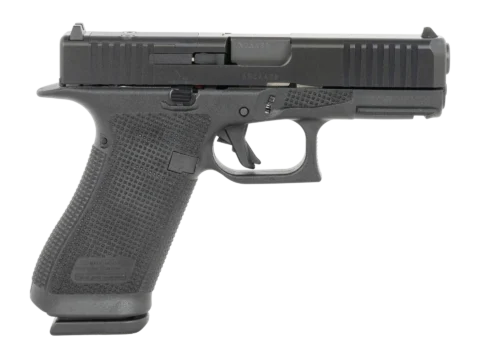
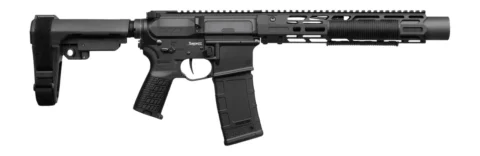
CMMG 30A0ED0-AB Zeroed Banshee Mk4 300 Blackout 30+1 6.50″ Black
CMMG 30A0ED0-AB Zeroed Banshee Mk4 300 Blackout 30+1 6.50" Black Nitride Threaded Barrel, Black Armor Cerakote…