
How We Test the Best Suppressor Covers
Testing Criteria
- Covers are subjected to multiple rounds of rapid-fire shooting (up to 100+ rounds) to simulate real-world scenarios.
- We measure how well each cover manages or mitigates heat transfer to ensure it protects the user from burns.
- Scorch marks, material warping, or degradation are documented under high-heat conditions.
- Covers are tested for abrasion resistance by simulating contact with gear, tactical belts, and other surfaces.
- Outdoor field tests include exposing covers to rain, dirt, and debris to assess how they hold up during extended use in adverse environments.
- We install each cover on a variety of common suppressors (e.g., different diameters and lengths) for compatibility checks.
- Tests involve firing under both static and dynamic shooting conditions (e.g., moving drills) to verify proper fit.
- Using precision rifles equipped with suppressors, we monitor mirage levels before and after installing each cover.
- Covers that effectively reduce mirage distortion score higher in this category.
- Suppressor covers should be easy for users to install securely under field conditions:
- Installation time is measured for each product.
- Assessments include ease of removal after heavy use when the suppressor is still hot.
Real-World Testing Scenarios
- Range Testing: A combination of indoor range sessions and outdoor long-range shooting allows us to test their functionality in controlled versus natural environments.
- Temperature Extremes: We expose covers to varying temperatures—freezing cold and scorching heat—to evaluate material integrity across climates.
- High-Round Stress Tests: By running sustained high-volume fire (over 200 rounds without a cooling break), we identify which materials maintain structural integrity over time while minimizing performance degradation.
Evaluation Metrics
| Metric | Weight (%) | Key Considerations |
| Heat Resistance | 30% | Withstands prolonged high temperatures without damage |
| Durability | 25% | Resists wear-and-tear under various conditions |
| Fit & Compatibility | 20% | Secure fit across multiple suppressor sizes |
| Ease of Use | 15% | Quick installation/removal even when hot |
| Heat Mirage Reduction | 10% | Maintains clear sight picture during long-distance shots |
Summary of Findings
Our methodology ensures that only the most reliable suppressor covers earn top recommendations. By focusing on real-world performance metrics rather than marketing claims alone, we provide insights that help shooters choose a product tailored precisely for their needs—whether it’s tactical operations or casual range sessions.
How We Test the Best Suppressor Covers
1. Performance Under Live Fire
One of the most important aspects of testing suppressor covers is how they perform under live fire scenarios. This process includes:
– Heat Resistance Testing:
– Firing multiple rounds in quick succession to push the suppressor cover towards maximum heat thresholds.
– Monitoring whether the cover effectively prevents heat transfer to protect the shooter from burns. – Retention During Use:
– Ensuring the cover stays firmly in place during prolonged shooting sessions.
– Observing any signs of slipping or loosening under stressful conditions.
2. Durability Assessment
Suppressor covers are subjected to tough environments and heavy usage, so we evaluate their ability to withstand these pressures:
– Material Integrity Over Time:
– Testing repeated exposure to high temperatures for extended periods.
– Checking if materials degrade, crack, or melt after prolonged use. – Abrasion Resistance:
– Simulating rough handling and outdoor conditions like dragging through dirt or scrapes against hard surfaces. – Weather Performance: – Exposing covers to extreme weather (rain, humidity, snow) to assess water resistance and thermal stability.
3. Fit & Compatibility Testing
Suppressor covers must fit securely across a range of suppressors without affecting performance or safety. To test this aspect: – Trying the cover on multiple suppressor sizes and brands. – Evaluating ease of installation—whether adjustments can be made quickly without tools. – Analyzing if it interferes with optics or other firearm accessories.
4. Heat Dissipation and Mirage Reduction Tests
Suppressor mirage can distort sight pictures during extended firing sessions as heat builds up around the barrel/suppressor interface. We assess:
– How effectively each cover reduces mirage effects during precision shooting exercises at various distances (e.g., between 100–500 yards).
– Whether it helps maintain clarity through optics in both sunlit environments and low-light settings.
Table: Key Testing Parameters
| Test Category | Methodology | Key Metrics Observed | Example Tools Used |
| Heat Resistance | High-round count drills | Max temperature; touch safety | Infrared thermometers |
| Durability | Abrasion/weather simulation | Wear & tear; elasticity retention | Lab-grade stress testers |
| Fit & Compatibility | Multi-suppressor application tests | Security on barrel; ease of setup | Variety of suppressors |
| Mirage Reduction | Long-range target practice | Sight clarity post sustained fire | Rifle scopes/binoculars |
5. Ease of Maintenance
Finally, we evaluate how easy it is to clean and maintain each suppressor cover: – Can it be wiped down quickly after use? – Does exposure to carbon buildup or gun oils cause deterioration? These practical factors are essential for long-term usability.
Through rigorous testing protocols like these, we deliver results that reflect real-world experiences, ensuring that every product recommendation meets high standards for performance under pressure.
How to Choose the Best Suppressor Cover
Selecting the best suppressor cover can greatly enhance your shooting experience, offering protection, performance, and safety. Below, we’ll walk through the key considerations when choosing a suppressor cover to ensure you find the right one for your specific needs.
Material and Heat Resistance
One of the most important factors to consider is the material used in construction, as it directly impacts heat resistance and durability. Suppressors produce extreme heat during firing sessions, so choosing a cover that can withstand high temperatures is essential.
- Kevlar: Known for its heat resistance and durability.
- Silica-based fibers: Excellent for managing extreme temperatures over extended periods.
- Carbon fiber blends: Lightweight yet effective for moderate-level shooting.
- High-temperature thresholds (500°F+ for casual use; 1,000°F+ for heavy use).
- Layered construction with flame-resistant coatings.
Fit and Compatibility
A suppressor cover should fit snugly over your suppressor without slipping or bunching. Proper fit ensures maximum coverage and prevents issues such as obstructed sights or uneven heat distribution.
- Measure your suppressor’s length and diameter carefully before purchasing.
- Check if the product is designed specifically for your suppressor model or brand.
- Look for adjustable straps or elastic features to accommodate slight size variations.
Cooling Speed
Suppressors naturally retain heat after firing, so selecting a cover that enhances cooling performance can be beneficial—especially during prolonged shooting sessions.
- Opt for covers with breathable materials or internal designs that promote rapid dissipation of heat.
- Consider mesh-lined interiors that allow some airflow while still providing thermal protection.
Durability vs. Weight
Another critical factor is balancing durability with overall weight. A heavy-duty suppressor cover might offer unmatched protection but could become cumbersome during long-range hunts or tactical scenarios where speed matters.
| Property | Lightweight Covers | Heavy-Duty Covers |
| Material | Thin Kevlar layers | Thick silica blends |
| Ideal Use Case | Short-term shooting; low round counts | Prolonged shooting; high round counts |
| Weight Impact | Minimal | Noticeable |
Slip Resistance
A good suppressor cover should stay in place even under intense conditions like rapid fire or dynamic movement at competitions.
- Look for covers with anti-slip silicone strips inside.
- Adjustable cords or cinch systems are ideal for securing the fit further.
Appearance and Color Options
- Tactical black or gray tones blend well with most firearms.
- Camouflage patterns are great for hunters seeking concealment.
- Bright colors can be useful in training environments where visibility helps identify equipment quickly.
Price vs. Performance
- For casual users who fire occasionally at ranges: A budget-friendly option made from durable yet affordable materials will suffice.
- For frequent shooters: Investing in a higher-end model ensures longevity and enhanced performance under stress.
By thoroughly evaluating these factors—material quality, compatibility, cooling capability, weight balance, slip resistance, design preferences—you’ll equip yourself with a reliable suppressor cover tailored to your specific firearms needs without compromising safety or comfort during usage.
How to Choose the Best Suppressor Cover
Selecting the right suppressor cover is essential for both functionality and durability. A suppressor cover not only protects your suppressor but also enhances performance, safety, and usability. Below is a thorough guide on how to identify the best option for your needs.
Key Factors to Consider
- Material Quality
The material of the suppressor cover directly impacts its heat resistance, durability, and effectiveness. Look for: - Silicone Coating: Offers excellent heat resistance and protects against wear and tear.
- Kevlar or Nomex: High-temperature resistant materials suitable for heavy-duty use.
- Cordura Nylon: Commonly used for its durability and abrasion resistance but may be less heat-resistant than Kevlar or silicone blends.
- Heat Resistance
Suppressors can heat up significantly during extended shooting sessions. When choosing a cover: - Opt for covers capable of withstanding extreme temperatures (up to 1,800°F).
- Consider multi-layered designs that combine an inner thermal barrier with an outer protective shell.
- Fit and Compatibility
A proper fit ensures that the cover stays secure without interfering with firearm operation. - Measure your suppressor’s diameter and length accurately before purchasing.
- Check product specifications or compatibility charts provided by manufacturers.
- Retention Mechanism
The method used to secure the suppressor cover affects its ease of use and reliability under pressure: - Hook-and-loop straps offer convenience but may loosen over time in high-heat scenarios.
- Laced or bungee-style retention systems are more reliable during rapid fire or prolonged use.
- Weight Considerations
While most covers are lightweight, heavier-duty models may add extra bulk, which could affect balance during shooting. Strike a balance between protection level and added weight based on your specific requirements.
Different Use Scenarios
- Tactical Use or Hunting: Opt for lightweight models that provide sufficient insulation while maintaining maneuverability in dynamic environments.
- Precision Shooting or Bench Rest Shooting: Heat mirage becomes an issue here – choose a model specifically designed to reduce mirage for better sight alignment.
- High-Volume Shooting (e.g., at the Range): Prioritize heavy-duty materials like Kevlar that can handle rapid heat buildup over long shooting sessions.
Pros vs Cons Table
| Feature | Pros | Cons |
| Silicone Layer | High heat resistance; flexible | Can be slippery when wet |
| Kevlar/Nomex | Extreme durability; fireproof | Higher cost |
| Cordura Nylon | Lightweight; abrasion-resistant | Moderate heat tolerance |
| Hook-and-loop straps | Easy adjustments | Potential loosening over time |
| Laced/Bungee design | Secure fit during rapid fire | Longer setup time |
Practical Tips When Choosing
- Always read reviews from credible sources or hands-on testers before committing to a brand/model.
- If you frequently shoot suppressed firearms in humid environments, opt for moisture-resistant covers.
- Consider investing in two types of covers if you shoot across diverse conditions—for instance, one lighter option for casual range days and another heavy-duty model for extended tactical sessions.
Why Trust Us
1. Hands-On Testing
We don’t just research suppressor covers—we use them. Each product we review undergoes rigorous testing in real-world scenarios to evaluate critical factors such as heat resistance, durability, practicality, and overall effectiveness.
- Real-World Applications: Products are tested during shooting sessions across various firearm setups (bolt-action rifles, AR platforms, etc.), simulating realistic conditions for accuracy.
- Repeated Use: Suppressor covers are subjected to multiple firing cycles to assess how they hold up over time and under repeated stress.
- Environmental Stress Tests: We expose these products to different weather conditions (humidity, rain, heat) to gauge material durability and performance consistency.
2. Objective Analysis
Our reviews are impartial and based entirely on performance metrics—no brand favoritism here. If something doesn’t work or meet expectations during tests, we report it honestly so you know what you’re getting before making a purchase.
Key questions we answer include:
– Does this suppressor cover effectively reduce mirage?
– How well does it shield from burns after extended firing?
– Is it compatible with different suppressor sizes and mounting systems?
3. Expertise You Can Count On
Our team brings years of combined experience in firearms handling and gear evaluation to the table:
– Professional Backgrounds: From military veterans to competitive shooters and firearms enthusiasts, each reviewer brings unique expertise when examining the products.
– Technical Know-How: We understand not just how suppressor covers function but also the science behind materials like Kevlar blends or silica-infused fibers used in their construction.
4. Clear Rating System
| Category | Evaluation Criteria | Weight (%) |
| Heat Resistance | How well the cover withstands high temperatures after extended use | 35% |
| Durability | Longevity of materials under varying conditions | 25% |
| Installation Ease | User-friendliness during attachment & detachment | 15% |
| Performance Features | Effectiveness at reducing mirage or protecting hands | 15% |
| Price-to-Value Ratio | Affordability balanced with overall performance | 10% |
These weighted factors ensure a balanced evaluation process that highlights both strengths and potential shortcomings of each product.
5. Community Feedback Integration
- Hearing firsthand accounts from long-term users
- Gaining insight into uncommon use cases or niche needs
- Verifying initial impressions against extended field usage reports
This incorporation of community input helps us validate findings while ensuring the information provided reflects real-world experiences beyond controlled test environments.
For all these reasons—and because firearm safety and performance deserve nothing less—you can confidently trust our recommendations as reliable tools for making an informed choice about the best suppressor cover for your needs.
Why Trust Us
Expertise Backed by Real-World Experience
Our team comprises firearm enthusiasts, professional shooters, and gear testers who have years of experience with firearms and accessories. This enables us to evaluate suppressor covers not just on their specifications but also on how they perform in real-world conditions like shooting ranges, training courses, and other tactical environments.
- Hands-On Testing: We don’t just analyze product descriptions or online reviews. We physically test every suppressor cover under diverse conditions to assess its performance.
- Diverse Scenarios: From high-temperature sustained fire sessions to inclement weather testing, we push these covers to their limits. Our goal is to simulate the situations you might encounter while using them.
Comprehensive Testing Methodology
To ensure accuracy and fairness in our assessments, we follow a structured methodology that focuses on important metrics such as durability, heat resistance, ease of installation, and compatibility.
Key evaluation criteria include:
1. Heat Dissipation: How long can the cover manage extreme temperatures during rapid or sustained fire?
2. Material Durability: Does it hold up against wear-and-tear from regular use? Does it resist melting or cracking under prolonged exposure to heat?
3. Fit & Compatibility: How well does the cover fit various suppressors without slipping or loosening?
4. Weight & Bulk: Is the cover lightweight enough for field use while still providing adequate protection?
5. Noise Reduction & Mirage Management: Does it effectively reduce noise mirage for better performance during precision shooting?
Transparency in Feedback
- If a suppressor cover performs poorly in any area of testing (e.g., it melts after limited use), we clearly state this so you can make an informed decision.
- We highlight both strengths and weaknesses of each product—no sugarcoating here.
Reader-Focused Approach
Our primary focus is helping readers like you make confident purchasing decisions by delivering clear insights based on facts instead of marketing hype.
We also actively engage with feedback from the community: if a reader has additional input or questions about one of our recommendations, we consider this valuable data for future reviews.
Ethical Standards & No Bias Policy
- No Sponsored Reviews: All products are tested independently without influence from manufacturers or sponsors.
- Authentic Opinions: Even if we receive units for testing purposes at no charge (a standard industry practice), it doesn’t impact how we report findings.
- Diverse Product Selection: To avoid bias toward specific brands or price ranges, we include a mix of premium options as well as budget-friendly choices in every guide.
By relying on industry expertise paired with rigorous testing methods—and maintaining complete transparency—you can trust that our recommendations are practical and tailored specifically for your needs as a shooter or firearm enthusiast.

BROWNING BUCKMARK FREEDOM – VISION 22LR 5.9″ 250TH SR
BROWNING BUCKMARK FREEDOM - VISION 22LR 5.9" 250TH SR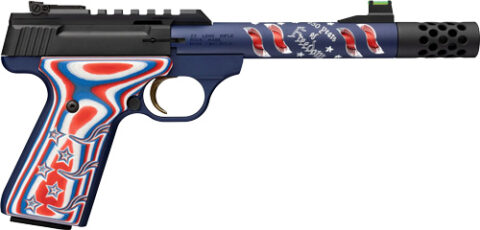
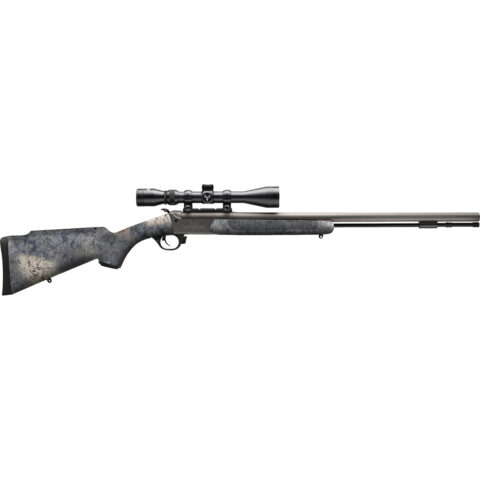
Traditions NitroFire with VAPR Twist Muzzleloader .50 Cal 26 in.
Traditions NitroFire with VAPR Twist Muzzleloader .50 Cal 26 in. Tungsten/Desert Web w/ Scope