
What Is a Tourniquet and When Should You Use One
A tourniquet is a medical device designed to control life-threatening bleeding by applying pressure to a limb to temporarily cut off blood flow. It is an essential tool in emergency, tactical, and medical scenarios where rapid bleeding control can save lives. Tourniquets are commonly used by first responders, military personnel, outdoor enthusiasts, and everyday individuals as part of their first-aid kits.
Purpose of a Tourniquet
The primary purpose of a tourniquet is to stop severe arterial or venous bleeding that cannot be controlled with direct pressure or other measures such as dressings. It acts as a temporary solution until the injured person can receive professional medical care.
Situations Where Tourniquets Are Used
- Trauma or injury involving heavy bleeding: Examples include vehicle accidents, industrial incidents, falls from heights, or gunshot wounds.
- Tactical situations: Used during combat or law enforcement operations where immediate access to advanced medical care may be limited.
- Outdoor emergencies: Common for hikers or adventurers who may experience severe cuts or injuries in remote areas.
- Natural disasters: In rescue situations following earthquakes or floods where victims might suffer from crush injuries or deep lacerations.
How Tourniquets Work
Tourniquets work by compressing blood vessels when tightly wrapped around an arm or leg above the site of injury. This effectively stops blood flow below the application point, helping prevent rapid blood loss which could lead to shock or death.
- A strap-like band wraps around the limb securely.
- A tightening mechanism (such as a windlass) increases pressure until adequate occlusion of blood vessels is achieved.
- The device remains in place until professional medical assistance is available.
When Should You Apply a Tourniquet?
- Direct pressure fails: If applying firm pressure with gauze doesn’t control bleeding.
- Life-threatening hemorrhage: When heavy arterial bleeding occurs (bright red spurting blood).
- Limited time/resources: In cases where accessing professional care may take time (e.g., hiking injuries).
Avoid using tourniquets for minor injuries where simple methods like bandages suffice. Misuse can cause unnecessary damage to tissue and nerves.
Risks Associated with Improper Use
- Nerve damage due to excessive pressure.
- Tissue death resulting from prolonged application (usually over two hours).
- Increased risk of complications when improperly placed on joints instead of above the injury site on the limb.
Educating yourself on correct usage minimizes these risks and ensures the tool’s effectiveness in emergencies.
By understanding what tourniquets are and their ideal use cases, you’re better equipped to incorporate them into your emergency preparedness plans responsibly.
Types of Tourniquets for Emergency and Tactical Use
Tourniquets are essential medical tools designed to control severe bleeding in emergencies. They are especially critical in situations where immediate professional medical attention is unavailable, such as outdoor activities, tactical operations, or mass casualty events. Understanding the types of tourniquets available can help you choose the most suitable option for your needs. Below is an overview of the primary types of tourniquets commonly used for emergency and tactical purposes.
1. Windlass Tourniquets
Windlass tourniquets are one of the most commonly used types due to their effectiveness in controlling arterial bleeding. These tourniquets feature a sturdy rod (the windlass) that tightens a band around the affected limb to halt blood flow.
- Highly effective for severe hemorrhaging.
- Adjustable for various limb sizes.
- Durable design suitable for high-stress environments.
- Best For: Military, law enforcement, and first responders.
Example: The CAT® (Combat Application Tourniquet) is a popular windlass tourniquet known for its reliability and ease of use.
2. Elastic Band/Stretch Wrap Tourniquets
These tourniquets rely on elastic material to apply pressure to a bleeding limb. They are lightweight and compact but typically require specific techniques to ensure proper application.
- Lightweight and easy to carry.
- Simple design with no mechanical parts.
- May not achieve sufficient pressure for severe arterial bleeding.
- Requires experience or training for optimal use.
- Best For: Minor injuries or as part of personal first-aid kits.
3. Pneumatic (Air) Tourniquets
Pneumatic tourniquets use air pressure to stop blood flow. Commonly found in surgical settings rather than field use, they provide precise pressure control through an inflatable cuff connected to a pump.
- Precise control over pressure application.
- Minimizes risk of excessive tissue damage when correctly used.
- Bulky and less portable than other types.
- Best For: Controlled environments like hospitals or clinics.
4. Ratcheting Mechanical Tourniquets
These tourniquets use a mechanical ratchet system to achieve sufficient compression over the injured area. They are straightforward to operate under stress, making them ideal in high-pressure situations.
- Quick application with minimal effort required.
- Effective in both civilian and tactical scenarios.
- Bulkier than elastic and windlass options.
- Best For: Tactical operations or emergency response teams requiring rapid deployment tools.
Comparison Table: Key Features by Type
| Type | Key Feature | Best Use Case |
| Windlass | Adjustable design; effective on arteries | Military/tactical settings |
| Elastic Band | Lightweight; compact | Personal first-aid kits |
| Pneumatic | Precise pressure control | Clinical/surgical settings |
| Ratcheting Mechanical | Quick deployment capability | Tactical/emergency response |
Considerations When Choosing a Type
- Purpose of Use: Are you preparing for tactical scenarios, outdoor adventures, or everyday emergencies? Select based on your specific context.
- Training Requirements: Some types require more hands-on training than others (e.g., elastic band vs. windlass).
- Portability & Size: Ensure it fits comfortably within your kit without compromising functionality.
Every type of tourniquet has its strengths tailored toward different scenarios; understanding these distinctions ensures you’re equipped with the right tool when seconds matter most.
Key Features to Look for in a Reliable Tourniquet
When evaluating tourniquets, it’s essential to understand the key features that make one reliable and suitable for emergency or tactical use. Choosing the right tourniquet can make a significant difference during critical situations where controlling severe bleeding is crucial. Below is a breakdown of the most important features to look for when selecting a high-quality tourniquet.
1. Durability and Material Quality
- High-strength nylon or reinforced polymer: These materials ensure resistance to wear and tear.
- Weather-resistant design: Effective even in extreme temperatures, rain, or snow.
- Robust stitching: Prevents fraying or failure during repeated use.
2. Ease of Application
In emergencies, time is critical. A good tourniquet should be easy for anyone—trained professionals or civilians—to apply quickly: – One-handed operation: Ideal for self-application when one arm is injured. – Clear instructions: Some models include printed guides directly on the device. – Low learning curve: Simple mechanisms are preferable over overly complex designs.
3. Adjustability
Tourniquets must fit patients of varying sizes, from children to adults: – Adjustable straps with ample length for different limb sizes. – Compatibility with bulky clothing (e.g., winter gear) without compromising effectiveness.
| Feature | Why It Matters |
| Long strap design | Fits diverse body types comfortably |
| Flexible adjustment | Prevents over-tightening or slippage |
4. Windlass System Quality
The windlass is the mechanism responsible for tightening the tourniquet to stop blood flow effectively: – Must be sturdy and resistant to bending under pressure. – Should lock securely into place without loosening during movement.
5. Effectiveness in High-Stress Scenarios
Reliable tourniquets have been vetted under extreme conditions: – Look for products tested by military personnel or first responders. – Devices meeting TCCC (Tactical Combat Casualty Care) standards are often more dependable.
6. Compactness and Portability
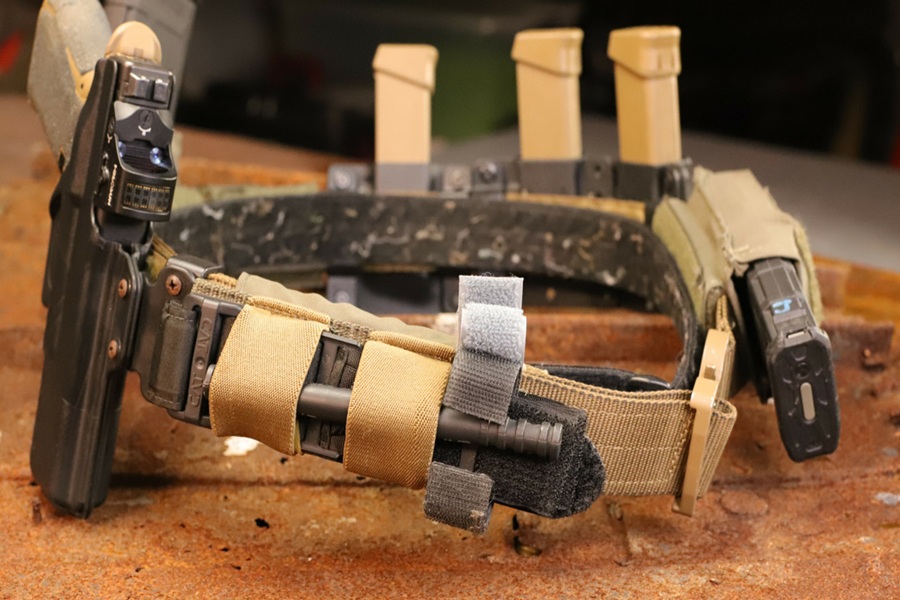
A good tourniquet should be easy to carry as part of an EDC (Everyday Carry) kit, range bag, or medical kit: – Lightweight yet sturdy construction. – Compact enough to fit into small pouches or holders without adding bulk.
7. Visibility
In emergency situations where visibility may be low: – Choose bright-colored options (e.g., orange) for high contrast against clothing/skin. – Models with reflective strips are beneficial in low-light conditions.
Quick Buying Tips
When making your selection, consider these practical tips: 1. Research user reviews from reputable sources such as EMTs or armed forces members. 2. Choose brands known for quality testing, such as CAT (Combat Application Tourniquet) or SOF-TT-Wide. 3. Always purchase authentic products—counterfeit items can fail when you need them most.
By prioritizing these features, you ensure that your chosen tourniquet will perform effectively when it matters most while offering reliability across various scenarios—whether at home, on the range, in combat zones, or during outdoor activities requiring readiness skills.
How to Properly Apply a Tourniquet in an Emergency
Properly applying a tourniquet can be the difference between life and death in situations involving significant bleeding. It’s crucial to not only understand when to use a tourniquet but also how to apply it effectively and safely. This section provides step-by-step guidance, practical tips, and important considerations for using a tourniquet during emergencies.
Step-by-Step Guide to Applying a Tourniquet
- Use a tourniquet when there is life-threatening bleeding that cannot be controlled by direct pressure or other methods.
- Apply it if the wound involves arterial bleeding, such as bright red blood spurting from the injury.
- Position the tourniquet 2-3 inches above the wound site (never over joints like elbows or knees).
- If unsure of where the injury ends, place it as high as possible on the limb (high-and-tight method).
- Pull the strap or band tightly around the limb and secure it in place according to the device instructions.
- For windlass-based models, twist the windlass rod until bleeding ceases entirely, then lock it into position.
- Write down or mark on the patient’s skin (nearby) what time you applied the tourniquet. This is critical information for medical professionals who will continue treatment.
- Avoid loosening or removing the tourniquet under any circumstances unless directed by medical personnel.
- Watch for signs of shock and provide additional care as necessary while waiting for emergency services.
Tips for Effective Application
- Practice Makes Perfect: Familiarize yourself with your specific model of tourniquet before an emergency occurs.
- Use One Tourniquet Per Limb: If one does not stop severe bleeding, consider adding another directly above it.
- Be Prepared: Keep at least one high-quality tourniquet readily accessible in your first aid kit or EDC (everyday carry) gear.
- Avoid Over-Tightening: The goal is to stop arterial blood flow, not cause additional damage from excessive pressure.
Common Mistakes to Avoid
| Mistake | Why It’s Dangerous |
| Placing over joints | Ineffective at stopping blood flow; always place above joints |
| Loosening once applied | Can lead to rebleeding and worsen patient’s condition |
| Using makeshift materials | Improvised items may fail under pressure; use approved devices |
| Delaying application | Every second counts; act quickly without hesitation |
Understanding how to correctly apply a tourniquet is vital knowledge not just for healthcare providers but also for anyone who may encounter emergencies in daily life—whether outdoors on an adventure or even at home during unexpected accidents. Equip yourself with this life-saving skill and practice routinely so you’ll feel confident when seconds matter most.
Best Tourniquets for EDC, Range, and Medical Kits
When it comes to selecting a tourniquet for everyday carry (EDC), range use, or medical kits, it’s essential to prioritize reliability, ease of use, and durability. The right choice could make the difference between life and death during emergencies involving severe bleeding. Below is a guide to some of the best tourniquets available, categorized by their suitability for various scenarios.
1. Top Tourniquets for EDC (Everyday Carry)
For EDC purposes, compactness and ease of deployment are key factors. You need a tourniquet that can fit seamlessly into your daily carry setup without adding excessive weight or bulk.
- Lightweight design.
- Proven effectiveness in military and civilian use.
- Velcro strap allows quick adjustments with one hand.
- Durable aluminum windlass.
- Slim profile suitable for compact storage.
- Reliable in extreme weather conditions.
2. Recommended Tourniquets for Range Use
At the range, accidental gunshot wounds or other injuries requiring hemorrhage control can occur. A durable and rapidly deployable tourniquet is vital here.
- Compact design ideal for range bags.
- Elastic material provides versatility for various limb sizes.
- Simple to apply under stressful circumstances.
- Features auto-locking buckle technology.
- Well-suited for rigorous outdoor or range environments.
- High visibility makes it easier to locate quickly during an emergency.
3. Essential Tourniquets for Medical Kits
For fully equipped medical kits at home, workspaces, or in vehicles, having a reliable tourniquet ready is non-negotiable. Durability and ease of application should be prioritized since emergencies may involve untrained users trying to administer aid on themselves or others.
- Designed with precision pressure control.
- Widely used by first responders due to its simplicity and effectiveness.
- Multipurpose—can function as a pressure dressing in addition to being a tourniquet.
- Extremely lightweight and easy to store in compact spaces like first-aid kits.
Comparison Table: Key Features of Popular Tourniquets
| Tourniquet Model | Ideal Use Case | Material | Ease of Application | Compactness |
| CAT | EDC/General Emergency | High-strength nylon | One-handed | High |
| SOF-T Wide | Tactical/EDC | Aluminum/Nylon | Two-handed preferred | Moderate |
| RATS | Range/EDC | Elastic Cord | One-handed | Very High |
| SAM XT | Range/Tactical | Nylon | Auto-locking | Moderate |
| SWAT-T | Medical Kits | Elastic Rubber | Multi-use capability | Very High |
Tips for Choosing the Right Tourniquet
- Purpose: Ensure the tourniquet aligns with its intended use scenario. A compact design may work best for EDC but might not be as durable under heavy-duty tactical conditions.
- Ease of Use: Consider whether you’ll likely need one-handed application during emergencies; this makes models like CAT highly effective choices.
- Durability: Check materials used—tourniquets with robust windlasses (like aluminum) tend to last longer under stress than plastic variants.
- Storage Options: Factor in how easily the device fits into your current setup—for instance, small pouches vs larger first-aid bags.
By carefully considering these factors while exploring options like those listed above, you’ll ensure that you’re prepared with the best tools available when seconds matter most.
Maintenance, Storage, and Replacement Guidelines
Proper maintenance, storage, and timely replacement are critical to ensuring your tourniquet remains functional when you need it most. Neglecting these aspects can lead to a compromised tool that may fail during an emergency. Below are essential guidelines for extending the life of your tourniquet and ensuring its reliability.
Maintenance Tips
- Check for frayed straps or stitching.
- Ensure the windlass rod (if applicable) is free of cracks or bends.
- Test buckles or locking mechanisms to confirm they work smoothly.
- Clean After Exposure:
If the tourniquet has come into contact with dirt, blood, or other contaminants: - Gently clean with mild soap and water. Avoid submerging unless specified by the manufacturer.
- Dry thoroughly before storing to prevent mold or corrosion.
- Avoid Excessive UV Exposure: Prolonged sunlight exposure can degrade materials like nylon or polyester used in many tourniquets.
- Lubricate Moving Parts (if applicable): For models that include bolts, screws, or mechanical systems, a small amount of lubricant may be necessary as per the manufacturer’s instructions.
Storage Recommendations
- Dedicated Storage Locations: Keep tourniquets in easily accessible places such as first aid kits, range bags, glove compartments, or EDC pouches.
- Use Tourniquet Holders: High-quality holders protect from environmental damage while ensuring quick deployment.
- Temperature Sensitivity: Store in a cool, dry place to prevent degradation due to heat or moisture exposure.
- Prevent Compression Damage: Avoid tightly folding the tourniquet over long periods as this may weaken certain components like elastic bands.
Example Table for Storage Tips:
| Environment | Risk | Recommendation |
| Humid environments | Material rot or mildew | Use desiccant packs |
| Hot environments | Material warping/degrading | Store in temperature control |
Replacement Guidelines
- Manufacturer’s Instructions: Always follow recommendations regarding replacement timelines; most manufacturers suggest replacing every 5 years if unused.
- After Use: Any use in an emergency—especially involving blood exposure—should warrant immediate replacement.
- Visible Damage: Replace immediately if you notice frays on straps, cracks on windlass rods, broken buckles/clasps, or compromised stitching.
- Expired Components: Some models include date stamps on packaging (e.g., elastic versions). Replace upon expiration regardless of external condition.
Summary Checklist for Tourniquet Care
- Inspect monthly for damage.
- Clean after use following specific guidelines.
- Store in accessible locations using protective holders.
- Replace after use or when signs of aging appear.
By maintaining proper care routines and having clear replacement plans in place, you’ll ensure that your tourniquets remain reliable tools during critical situations where time and functionality matter most.

CMMG 30A0ED0-AB Zeroed Banshee Mk4 300 Blackout 30+1 6.50″ Black
CMMG 30A0ED0-AB Zeroed Banshee Mk4 300 Blackout 30+1 6.50" Black Nitride Threaded Barrel, Black Armor Cerakote…
Rizzini USA 2203-2828 Aurum EVO 28 Gauge Break Open 3″
Rizzini USA 2203-2828 Aurum EVO 28 Gauge Break Open 3" 2rd 28" Black Over/Under Vent Rib…