
Understanding LWRCI’s DI and Piston Systems
LWRC International (LWRCI) has earned a reputation for producing high-quality firearms engineered for performance and reliability. Two standout offerings from their lineup are the DI (Direct Impingement) and IC-SPR (Individual Carbine – Short Stroke Piston Rifle) systems. While they may share design similarities at first glance, their operational mechanisms set them apart, shaping the user experience in distinct ways. For those considering an AR-platform rifle from LWRCI, understanding these two systems is critical to choosing the right tool for your needs.
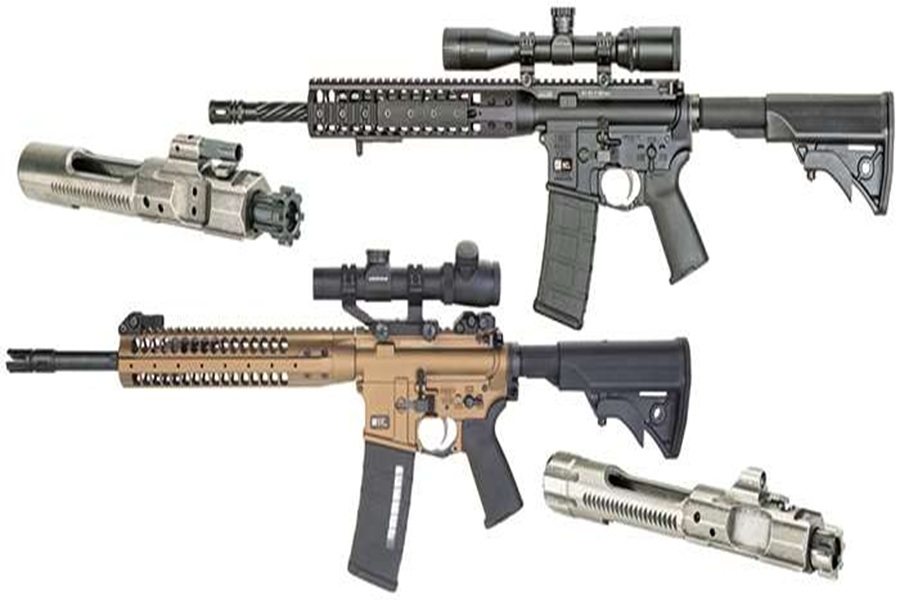
The Direct Impingement system used in LWRCI’s DI models is a classic design that traces its roots back to the original AR-15/M16 platform developed in the 1950s. In this system, gas from a fired round is redirected through a gas tube directly into the upper receiver to push back the bolt carrier group (BCG). This movement ejects the spent casing and chambers a new round—a simple yet effective method of operation.
By contrast, LWRCI’s piston-driven IC-SPR rifles use a short-stroke piston mechanism. Gas tapped from the fired round drives a piston located above the barrel rather than channeling it directly into the action. The piston transfers force to an operating rod, which then cycles the bolt carrier group. This indirect movement avoids directing hot gases and carbon fouling into the receiver.
While both systems achieve semi-automatic operation, their underlying principles influence factors such as cleanliness, heat dissipation, reliability under adverse conditions, and even felt recoil. The Direct Impingement system is often praised for its simplicity and reduced weight due to fewer moving parts. On the other hand, a piston-driven design like that found in LWRCI’s IC-SPR offers advantages in terms of cleaner operation and better heat management.
Beyond mechanical differences, it’s important to highlight LWRCI’s commitment to quality across both platforms. Features like cold hammer-forged barrels, monoforge upper receivers, and nickel-boron coated components elevate these rifles beyond standard AR configurations while ensuring long-term durability for civilian or professional use alike.
Understanding these foundational differences between DI and piston systems not only helps clarify their unique characteristics but also provides insight into why shooters might select one over another based on their specific needs or operating environments.
Key Differences Between DI and Piston Operation
When comparing direct impingement (DI) and piston-driven systems, understanding the fundamental operational differences is key to appreciating what sets them apart. LWRC International’s DI and IC-SPR rifles embody these two approaches, each optimized for specific shooting conditions and shooter preferences.
The direct impingement system operates by channeling gas from the fired cartridge directly back into the upper receiver. This gas travels through a gas tube and presses against the bolt carrier group (BCG), cycling the action. The simplicity of this design has made DI systems widely adopted in firearms like the AR-15 platform due to their lighter weight, fewer components, and overall ease of manufacturing.
On the other hand, a piston-driven system modifies this concept by introducing a physical barrier between hot gases and internal components. In LWRCI’s IC-SPR rifles—which feature a short-stroke piston system—gas is directed out of the barrel into a small chamber where it drives a piston. The piston then pushes the bolt carrier group to cycle the action, while excess gases are vented externally rather than into the receiver. This separation significantly reduces fouling in critical areas of operation.
One notable distinction lies in how these systems handle heat. DI systems transfer heat directly into the bolt carrier group as part of their operation, leading to increased heating over extended firing sessions. Piston systems mitigate this issue by moving heat away from internal components since hot gases are contained within their own mechanism rather than introduced into the receiver.
Another key difference is maintenance. With fewer moving parts, DI-based rifles are simpler to disassemble and clean but may require more frequent attention due to carbon build-up near sensitive areas like the bolt carrier group. Piston-driven rifles like the IC-SPR generally stay cleaner during prolonged use but add complexity with additional parts such as pistons and rods that require occasional inspection.
The choice between DI and piston operation also impacts overall weight distribution. Traditional DI rifles tend to be slightly lighter because they lack extra components found in piston systems. However, with advancements in design materials used by manufacturers like LWRCI, modern piston-driven models often achieve comparable balance without adding significant weight penalties.
Both systems have unique strengths that cater to different needs: DI for those who prioritize simplicity, lower initial cost, and familiarity; pistons for shooters who value reliability under harsh conditions or when running suppressed firearms frequently. Understanding these differences ensures users can align their firearm selection with personal preferences or mission requirements effectively—choosing a platform that performs best for them without compromise on essential operational characteristics.
Reliability, Maintenance, and Heat Management
When comparing the LWRCI DI (Direct Impingement) and IC-SPR (Individual Carbine – Short-Stroke Piston) systems, one of the most crucial aspects to evaluate is reliability, ease of maintenance, and heat management. These three factors hold significant weight for shooters who prioritize consistent performance over long sessions at the range or in demanding field conditions.
Direct Impingement systems have a simpler design compared to piston-driven rifles. Gas is directed from the barrel through a tube directly into the bolt carrier group (BCG). While this simplicity results in fewer moving parts—which can be seen as an advantage—it also means that carbon and fouling are deposited directly into the action. Over time, this buildup can affect reliability if not cleaned regularly. Shooters using DI systems must commit to consistent maintenance practices to ensure smooth operation and prevent malfunctions due to excessive fouling.
Piston-driven systems like those in the LWRCI IC-SPR, on the other hand, handle gas differently. Instead of channeling gas into the action, these systems use a piston assembly to transfer energy while keeping gases—and thus fouling—away from critical internal components like the bolt carrier group. This design results in significantly cleaner operation over extended periods of shooting. For users who prioritize reliability during high-round-count sessions or in adverse environments, this cleaner operation is a compelling advantage. However, piston-driven rifles have more moving parts compared to their DI counterparts, which may seem intimidating for some when it comes time for disassembly and maintenance.
Heat management is another area where these two operating systems differ noticeably. In DI rifles, heat from expanding gases is transferred directly into the BCG during cycling. As a result, these components can heat up quickly under sustained fire. This increase in temperature might shorten component lifespan or cause discomfort during handling without gloves after extensive firing sessions.
In contrast, piston-operated rifles keep most of that heat away from critical internal mechanisms by containing it within the gas block and piston system itself. This design helps prevent overheating of key components like the bolt carrier group and makes handling safer after prolonged shooting periods.
While it’s tempting to crown one as superior across all fronts, each system has its strengths and drawbacks depending on priorities like ease of cleaning versus thermal durability under heavy use. A shooter who values minimal cleaning requirements might lean toward a piston model such as the IC-SPR for its reduced fouling issues. Conversely, someone looking for a straightforward design with fewer parts might appreciate the traditional simplicity of direct impingement setups found in LWRCI’s DI line-up.
Understanding these differences ensures you select an option tailored to your specific needs rather than just following trends or popular opinions surrounding either system’s merits. With proper care—whether routine cleaning for DI or occasional inspections on a piston rifle—both platforms are capable of delivering exceptional performance over their lifetimes when matched with their intended purposes.
Which System Suits Different Types of Shooters
When deciding between the LWRCI DI (Direct Impingement) and IC-SPR (Piston) systems, understanding which platform aligns with your specific shooting needs is key. Both systems are designed to excel in particular scenarios, and the choice often comes down to your intended use, budget, and personal preferences as a shooter. By evaluating how these systems cater to different types of users, you’ll be better equipped to make an informed decision.
Recreational shooters who prioritize simplicity and cost-effectiveness often gravitate toward the DI system. Known for its straightforward design and lightweight build, the DI system is ideal for those seeking a traditional AR-15 experience without breaking the bank. It offers excellent accuracy due to its minimal moving parts, making it suitable for range days or casual target shooting. For these shooters, the ease of customization with aftermarket components is another advantage of a DI rifle, as it allows them to tailor their setup based on personal preferences.
On the other hand, tactical shooters or those who anticipate operating in harsh environments may find the piston-driven IC-SPR more appealing. The piston system is renowned for its reliability under adverse conditions, such as extreme heat or when exposed to dirt and debris. This robustness makes it a preferred choice among law enforcement professionals, military personnel, and serious enthusiasts who demand exceptional durability from their rifles. Additionally, its reduced fouling in the receiver ensures longer operational periods between cleanings—an essential feature during extended engagements or multi-day training sessions.
Hunters often face unique challenges that influence their firearm choice. Some hunters might prefer the piston system for its consistent performance in unpredictable outdoor conditions where exposure to mud or rain can occur frequently. However, others may favor a DI rifle’s lighter weight when trekking over long distances through rugged terrain.
For competitive shooters where precision and speed are paramount, both systems have merit depending on competition type. A DI rifle might appeal due to its superior balance and faster follow-up shot potential thanks to reduced recoil impulse. Conversely, competitors engaging in high-round-count stages may opt for a piston-driven system due to its ability to handle heat buildup more effectively.
Ultimately, choosing between LWRCI’s DI and IC-SPR rifles involves assessing your shooting priorities: Is weight or durability more important? Are you prioritizing precision at an affordable price point or long-term reliability? Both platforms excel within their respective niches but cater differently depending on how you intend to use them.
Which System Suits Different Types of Shooters
Choosing between LWRCI’s Direct Impingement (DI) and Piston systems often comes down to the intended use, personal preferences, and specific shooting scenarios. Both systems offer unique attributes that cater to different types of shooters, from hobbyists to professionals. Understanding which platform aligns with your needs ensures you make an informed decision tailored to your shooting priorities.
Casual Shooters and Recreational Enthusiasts
For those who value simplicity and affordability, the DI system can be an excellent option. Direct impingement platforms are generally lighter due to their streamlined design, offering a balanced feel that works well for extended range sessions or casual target practice. Additionally, DI rifles tend to be more cost-effective than piston models, making them attractive for recreational shooters who prioritize an accessible entry point into high-quality firearms without sacrificing performance.
However, it’s worth noting that DI rifles may require a bit more frequent cleaning if heavy use is expected. For the casual shooter who doesn’t put thousands of rounds through their firearm in short periods or expose it to harsh conditions, this isn’t likely to be a major concern.
Tactical and Professional Users
For law enforcement personnel, military operators, or individuals focused on self-defense scenarios where reliability under adverse conditions is key, the piston-driven system offers distinct advantages. Piston systems like LWRCI’s IC-SPR are known for their exceptional resilience in dirty or harsh environments. The separation of hot gases from critical components reduces fouling within the chamber and bolt carrier group while keeping heat away from these areas—factors that contribute significantly to enhanced reliability in demanding circumstances.
Additionally, professional users often appreciate the reduced maintenance requirements associated with piston systems. Whether operating in dusty deserts or humid jungles, fewer cleaning intervals mean less downtime and more focus on mission-critical tasks.
Competitive Shooters
Competitive shooting presents another set of priorities: speed, accuracy, and recoil management. While both DI and piston systems can perform well in competition settings when tuned appropriately, some competitors prefer DI rifles for their lighter overall weight and smoother cycling characteristics. The perceived recoil impulse on a properly tuned DI rifle can feel softer compared to certain piston models due to differences in mass movement during operation.
That said, some competitive shooters also gravitate toward piston-driven rifles if they anticipate prolonged firing sessions where heat buildup could hinder performance or induce mechanical failures in other platforms.
Hunters and Outdoor Enthusiasts
Hunters who venture into rugged outdoor environments often favor piston-driven firearms like the IC-SPR for their durability against dirt, mud, moisture, and other environmental contaminants encountered in nature. The robust build of a piston system complements hunting scenarios where exposure to elements is unavoidable over extended periods.
On the other hand, lightweight DI platforms might appeal more to hunters traversing long distances on foot—where every ounce matters—and whose usage involves controlled shooting rather than rapid strings of fire over prolonged periods.
Making Your Choice
Ultimately, deciding which system suits you best rests on evaluating your anticipated usage patterns alongside features you prioritize most: affordability versus robustness; weight savings versus reliability; minimal maintenance versus smoother operation during rapid fire sequences. Both LWRCI’s DI and IC-SPR platforms stand as premium options representing top-tier engineering tailored for distinct audiences while ensuring quality across varying conditions—and that versatility makes them standout choices in today’s firearm landscape.
Is It Worth the Premium Price
When it comes to LWRCI’s DI (Direct Impingement) and IC-SPR (Individual Carbine – Short Stroke Piston Rifle), one of the most significant considerations for potential buyers is whether these systems justify their premium price tags. This question requires an exploration of value beyond just the upfront cost, taking into account performance, durability, and long-term benefits.
Craftsmanship and Build Quality
LWRCI rifles are renowned for their exceptional build quality and meticulous craftsmanship. The company uses high-grade materials combined with advanced manufacturing techniques to produce firearms that are both robust and reliable. The fit and finish of LWRCI rifles set them apart from many competitors in the market. Whether you choose a DI or piston-driven system, you are investing in a firearm designed to withstand demanding conditions while maintaining peak performance. For many shooters, this level of engineering excellence is worth a higher price alone.
Longevity vs Upfront Investment
The premium cost of an LWRCI rifle often reflects its durability and long service life. For instance, piston-driven systems like the IC-SPR are designed to minimize carbon fouling in critical areas of operation, reducing wear over time. Fewer breakdowns mean fewer repairs or replacements—something that offsets initial costs for long-term users who prioritize reliability under heavy use. Similarly, their DI systems feature enhancements that make maintenance easier compared to traditional DI designs, offering an excellent balance between performance and upkeep requirements.
Enhanced Performance Features
What sets these rifles apart isn’t just build quality but also the features that enhance shooting experiences. Both systems offer innovations like spiral-fluted barrels that improve heat dissipation while reducing weight, patented short-stroke gas-piston operating systems (in the case of piston models), ambidextrous controls for tactical readiness, and advanced coatings or finishes for better corrosion resistance. These are not standard features on every rifle at lower price points—it’s this attention to detail that commands a premium price.
Application-Specific Value
Whether these rifles are “worth it” also depends heavily on what kind of shooter you are and what your intended use might be. Professional users such as military personnel or law enforcement officers often require rugged reliability under adverse conditions—something piston systems particularly excel at due to their cleaner operation and improved resistance to heat buildup during sustained fire sessions. For sport shooters or hobbyists looking for precision and versatility without sacrificing ease-of-use, LWRCI’s enhanced DI platform offers incredible accuracy coupled with manageable maintenance needs.
Comparing Alternatives
It is helpful to consider alternatives in the same category when evaluating value for money. While there may be other manufacturers offering quality firearms at lower prices, they often lack some of the nuanced innovations found in LWRCI systems—such as proprietary designs aimed at improving heat management or wear resistance over extended periods.
Ultimately, deciding if these rifles are worth their cost involves balancing initial investment against what matters most: reliability when it counts most; precision where it’s needed; ease-of-maintenance; and how well the rifle aligns with your shooting goals or professional needs.

GLOCK 45 G6 9MM 4.02″ 17-RD SEMI-AUTO PISTOL
The 6th Generation of Glock pistols delivers enhanced ergonomics for increased usability and comfort with a…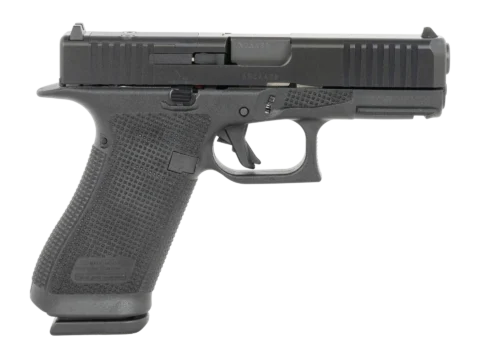
CMMG 30A0ED0-AB Zeroed Banshee Mk4 300 Blackout 30+1 6.50″ Black
CMMG 30A0ED0-AB Zeroed Banshee Mk4 300 Blackout 30+1 6.50" Black Nitride Threaded Barrel, Black Armor Cerakote…