
Green Tips
When discussing tipped bullets, one type that stands out for its unique features and functionality is the “green tip.” Officially referred to as M855 ammunition by military standards, green-tipped bullets are easily recognizable due to the green paint on the tip of their projectile. While often associated with military use, they have also become increasingly popular among civilian shooters for specific applications. Below, we’ll explore what these bullets are, their key characteristics, and considerations you should keep in mind when purchasing or using them.
What Are Green Tip Bullets?
Green-tipped bullets are a type of full metal jacket (FMJ) ammunition that incorporates a steel penetrator core beneath its copper jacket. This design allows the bullet to pierce through certain types of materials more effectively than standard FMJ rounds. Initially developed for military purposes, these rounds were designed to penetrate light armor or structural barriers while maintaining accuracy over long distances.
- Steel Penetrator Core: A steel insert in the core enhances penetration capability.
- FMJ Design: The bullet is encased in a copper jacket for improved feeding and reduced barrel fouling.
- 62-Grain Weight: Heavier than standard 55-grain FMJ rounds used in 5.56x45mm NATO cartridges.
Uses and Applications
- Tactical Training: Ideal for practicing scenarios involving light barriers or obstacles.
- Hunting (Selective Use): Can be effective against small game or varmints requiring penetration through brush or other environmental obstacles.
- Long-Distance Shooting: The enhanced weight and design improve performance over greater distances compared to lighter ammunition.
- Indoor Ranges: Many indoor shooting ranges prohibit their use due to potential damage caused by steel cores striking backstops.
- Soft Targets: These rounds may over-penetrate soft targets like animals or humans, reducing efficiency in hunting or self-defense situations.
Legal Considerations
While green-tip ammo is widely available in civilian markets across most states, it has faced legal scrutiny at times. Some jurisdictions classify it as “armor-piercing” ammunition due to its steel core construction. Be sure to check local regulations before purchasing or using this type of ammo.
| Factor | Green Tip Characteristics |
| Weight | 62 grains |
| Core Material | Steel penetrator with lead base |
| Legal Status | Restricted in some areas (check local laws) |
| Best Use | Tactical training or long-distance shooting |
Practical Tips When Using Green-Tip Ammo
- Use with Proper Targets: Avoid using reactive steel targets at close range; instead, opt for ballistic gel or paper targets during practice sessions.
- Match with Barrel Twist Rate: Ensure your firearm’s barrel twist rate is compatible with 62-grain ammunition—1:7 or 1:8 twist rates work best.
- Avoid Indoor Use: Stick with outdoor ranges unless explicitly permitted at your facility.
By understanding the specific features and limitations of green-tip bullets, you can make informed choices about when and where these rounds are appropriate. Their unique capabilities make them a versatile choice but not a one-size-fits-all solution.
Black Tips
Black-tipped bullets are a distinct category of ammunition that holds a specific purpose in various contexts, such as military, law enforcement, and civilian usage. Their unique design and functionality make them stand out from other types of bullet tips. Below is an in-depth look at what black-tipped bullets are, their significance, and their applications.
What Are Black-Tipped Bullets?
Black-tipped bullets refer to ammunition equipped with a black-colored tip at the nose of the projectile. This marking is not purely decorative but serves an essential function—it signifies the bullet’s composition or purpose. In most cases, black tips indicate armor-piercing (AP) capabilities.
- Core Design: Typically built with a hardened steel or tungsten core to penetrate armored surfaces.
- Marking Standards: The black tip helps distinguish these rounds from conventional ammunition for safety and operational clarity.
Applications of Black-Tipped Bullets
- Primarily utilized by armed forces for engagement against armored threats like vehicles or fortified positions.
- Designed to penetrate harder targets that standard bullets cannot breach effectively.
- Limited use under specialized operations where specific threats require armor-piercing rounds.
- Often subject to strict regulation due to potential over-penetration risks in urban environments.
- Rarely offered on the civilian market due to legal restrictions.
- In some regions, collectors may own decommissioned variants or replicas for historical purposes.
Advantages of Black Tips
- High Penetration Power: Capable of breaching materials like metal plates, thick glass, or body armor.
- Effective Against Hardened Targets: Ideal for scenarios where soft-point or hollow-point rounds would fail.
Challenges & Considerations
| Challenge | Explanation |
| Over-Penetration Risk | Their higher penetration power can pose risks in environments where collateral damage must be minimized (e.g., crowded areas). |
| Legal Restrictions | Many jurisdictions heavily regulate or ban the purchase and use of armor-piercing rounds by civilians due to safety and misuse concerns. |
| High Cost | Specialized design materials like tungsten cores make these rounds more expensive than standard ammunition types. |
Are Black-Tipped Bullets Legal?
- Civilians are prohibited from purchasing new armor-piercing handgun ammo under federal law.
- Rifle-caliber AP ammunition with black tips may still be legal in some states but is generally subject to scrutiny.
- Many countries enforce outright bans on any form of armor-piercing ammunition unless used by authorized personnel.
If you consider obtaining such rounds—whether for professional use or collection—ensure compliance with local laws and guidelines first.
Key Takeaways
- These are specialized rounds marked by their ability to penetrate hardened targets owing to materials like steel or tungsten cores.
- While advantageous in operational scenarios requiring high penetration power, their usage is tightly controlled due to safety considerations.
Black Tips
Black-tipped bullets are a unique type of ammunition that has been employed in a variety of applications, particularly in military and specialized civilian contexts. They are often recognizable due to their distinct black tip, which serves both functional and identification purposes. Understanding the purpose and features of black-tipped bullets is important for firearm enthusiasts, professionals, and those interested in ballistics.
What Are Black-Tipped Bullets?
Black-tipped bullets are typically associated with armor-piercing (AP) rounds. These projectiles are engineered to penetrate hard surfaces like metal or body armor, making them suitable for specific military operations and law enforcement tasks. The black tip on the bullet serves as a simple visual marker to identify its classification quickly.
Key characteristics include:
– Core Material: Many black-tipped bullets have a hardened steel or tungsten core that allows for penetration through tough materials. – Jacket Design: The bullet’s jacket is usually made from copper or another strong metal to encase and support the dense core material. – Ballistic Performance: Engineered for high velocity and reduced deformation upon impact, ensuring better performance against armored targets.
Legal Considerations
It’s important for individuals to be aware of the regulations governing the use and possession of black-tipped ammunition. In many countries, including the United States, this type of ammunition is restricted to military use or requires special licensing due to its ability to defeat body armor.
Examples of legal restrictions:
– Civilian ownership might be prohibited in certain jurisdictions. – Some states may allow possession but restrict usage at firing ranges or hunting activities.
Always check local laws before attempting to acquire or use black-tipped ammunition.
Pros and Cons
| Pros | Cons |
| Exceptional armor penetration | Heavily regulated/legal restrictions |
| Effective for tactical applications | Higher cost compared to standard ammo |
| Reliable in specific professional uses | Limited civilian utility |
Practical Applications
While primarily used by military forces, black tips can also find niche applications in non-combat settings:
1. Testing & Research: Engineers testing ballistic materials often use these rounds to gauge material resistance under extreme conditions.
2. Collectors’ Market: Ammunition collectors may seek these rounds as part of historical displays (note that possessing them legally requires compliance with regulations).
Black-tipped ammunition represents powerful technology designed with very specific objectives in mind. While fascinating from an engineering perspective, they should always be handled responsibly within legal boundaries. Having an informed understanding ensures they’re utilized appropriately without unintended risks or violations.
Orange Red Tips
Orange-red tips on bullets are a distinct identifier that signify the purpose and capabilities of the ammunition. These tips are typically found on tracer rounds, which serve specific, practical functions in various shooting and tactical scenarios. Understanding these orange-red-tipped bullets is essential for anyone handling firearms or seeking specialized ammunition.
What Are Tracer Rounds?
Tracer rounds are a type of ammunition designed to leave a visible trail when fired. This is achieved by using specially formulated pyrotechnic compounds in the bullet’s tip that ignite upon firing. The orange-red color indicates their tracer functionality, making it easy to track the trajectory of a bullet in low-light conditions or during rapid-fire sequences.
Key Features of Orange-Red Tipped Bullets
- Visibility: Once fired, these bullets emit a bright, glowing trail that helps shooters monitor their accuracy and adjust aim as needed.
- Training Utility: Tracers are commonly used in military training exercises to improve shooting skills and simulate real combat scenarios.
- Communication Tool: In group settings (e.g., military operations), tracers can also be used to signal directions or highlight targets for coordinated efforts.
- Heat Generation: The pyrotechnic material within tracers may heat up significantly during firing, potentially causing unintended fire hazards if they come into contact with flammable materials.
| Feature | Description |
| Visibility | Creates bright trails for easy tracking |
| Training Use | Helps shooters assess accuracy and adjust aim |
| Tactical Use | Assists in signaling target areas or aligning team effort strategies |
| Potential Risk | Increased heat generation can pose fire hazards |
Practical Tips for Safe Use
- Check Local Laws: Some regions restrict or ban the use of tracer ammunition due to its potential fire hazard. Always verify regulations before purchasing or using these rounds.
- Use Responsibly Outdoors: Tracers should not be fired near dry vegetation or other flammable environments where they could spark fires.
- Practice Range Precautions: Only use tracers at designated ranges equipped to handle their specific needs—such as controlling potential ricochets and managing pyrotechnic sparks effectively.
- Storage Safety: Store tracer rounds separately from other ammunition types and away from extreme heat sources to prevent accidental ignition.
Who Should Use Orange Red Tips?
Tracer ammunition is most commonly utilized by professionals such as law enforcement personnel, military operators, and trained security teams. Recreational shooters may also incorporate them into their practice sessions but should do so under controlled conditions with appropriate permissions where required.
Understanding the purpose and safety considerations surrounding orange-red tipped bullets ensures responsible usage while maximizing their benefits for tactical training and visibility purposes.
Polymer Tips
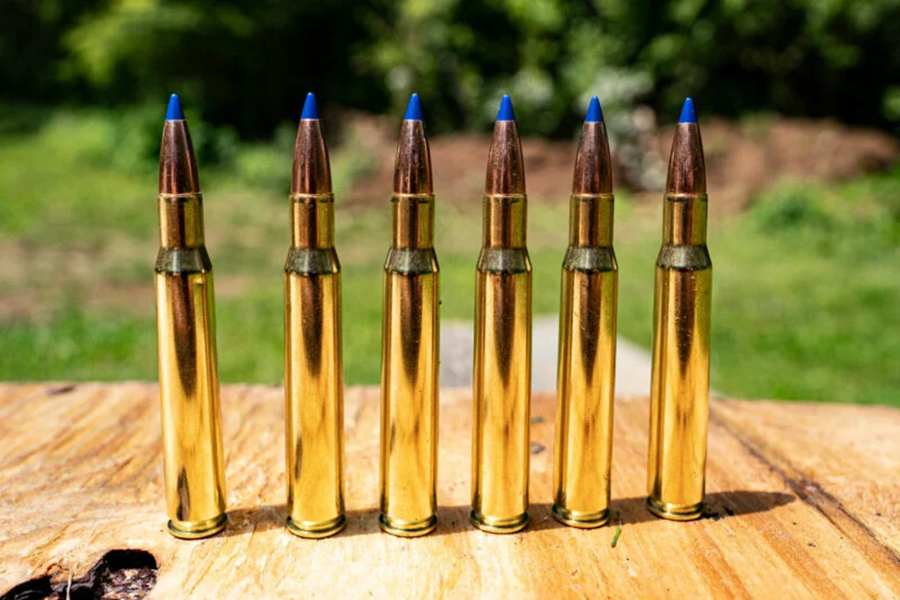
Polymer tips are a modern and innovative feature found in a variety of bullet designs, offering enhanced performance for specific applications like hunting, target shooting, and self-defense. Made from plastic or polymer-based materials, these tips serve both functional and practical purposes. Below is an in-depth exploration of their features, benefits, and common use cases.
What Are Polymer Tips?
Polymer tips are precisely shaped plastic inserts placed at the nose of a bullet. They are typically manufactured to improve the aerodynamics of the projectile and optimize its overall performance upon impact. These tips are commonly found on rifle rounds but can also appear in some pistol ammunition types.
Key Benefits of Polymer-Tipped Bullets
- The streamlined shape reduces air resistance during flight.
- Allows for higher ballistic coefficients (BC), improving accuracy over long distances.
- On impact, the polymer tip drives backward into the core of the bullet, encouraging controlled expansion.
- This is especially beneficial for hunting where terminal performance is crucial to humanely take down game.
- Reduces deformation in magazines or chambers during transport or loading cycles.
- Ensures that each shot delivers predictable results regardless of conditions like temperature or humidity.
Use Cases for Polymer-Tipped Bullets
- Hunting Applications:
The improved trajectory and reliable expansion make polymer-tipped bullets ideal for medium to large game hunting, such as deer and elk. - Common calibers include .223 Remington with varmint loads or .308 Winchester designed specifically for large game animals.
- Ensures cleaner kills due to increased energy transfer upon impact.
- Long-Range Shooting:
Competitive shooters often favor polymer-tipped rounds because their aerodynamic profile minimizes wind drift at extended ranges. - Examples include precision target competitions or recreational shooting at long-distance ranges.
- Self-Defense:
In more advanced self-defense ammunition, polymer-tipped rounds offer a balance between penetration depth and controlled expansion without overpenetrating soft targets.
Comparing Polymer-Tipped Ammunition to Other Types
| Feature | Polymer Tips | Hollow Points | Full Metal Jacket (FMJ) |
| Aerodynamics | Excellent | Moderate | Poor |
| Expansion on Impact | Controlled & Predictable | High | Minimal |
| Long-Distance Accuracy | High | Lower | Moderate |
| Applications | Hunting/Precision | Defense/Hunting | Practice/Range Use |
Practical Tips When Using Polymer-Tipped Bullets
- Ensure your firearm’s barrel twist rate matches the weight and caliber of your chosen polymer-tipped round; this ensures optimal stability during flight.
- Store cartridges in a cool, dry environment to maintain integrity over time as extreme heat can affect plastic polytips.
- For hunters using polymer-tipped bullets, practice shooting with them before heading into the field so you fully understand their trajectory at varying distances.
By integrating advanced materials like polymers into modern ammunition design, manufacturers have created versatile solutions suitable for diverse needs without compromising efficiency or reliability—making them an essential choice for discerning shooters across disciplines.
Polymer Tips
Polymer-tipped bullets are a popular choice in the world of ammunition due to their unique design and performance benefits. These bullets combine the aerodynamic properties of pointed tips with the stopping power of traditional expanding bullets, making them highly effective for various applications. Whether you’re a hunter, sport shooter, or someone interested in self-defense, understanding polymer-tipped bullets can help you make informed decisions.
What Are Polymer Tips?
- Improved Aerodynamics: The pointed tip reduces air resistance, resulting in flatter trajectories and increased accuracy over long distances.
- Controlled Expansion: Upon impact, the polymer tip drives back into the core to initiate controlled expansion. This ensures maximum energy transfer without over-penetration.
- Enhanced Feeding: The smooth design aids in reliable feeding in semi-automatic firearms by reducing drag as it travels through the chamber.
Advantages of Polymer-Tipped Bullets
- The shape and material allow these bullets to maintain velocity over longer distances.
- High BC ensures less wind drift and drop during flight.
- The tip promotes consistent expansion upon hitting soft tissue or targets.
- Ideal for hunters seeking clean kills with minimal suffering for game animals.
- Suitable for hunting medium to large game such as deer or elk due to its ability to balance penetration and stopping power.
- Also preferred by target shooters due to its accuracy at extended ranges.
- Available in a wide range of calibers from .223 Remington to .300 Winchester Magnum, making it adaptable for varied shooting needs.
Common Applications
| Application | Benefits | Recommended Calibers |
| Deer Hunting | Controlled expansion prevents wounding | .243 Winchester, 6.5 Creedmoor |
| Long-Range Target Shooting | High accuracy over extended distances | .308 Winchester, .338 Lapua |
| Predator Control | Quick kill minimizes suffering | .223 Remington |
Considerations When Using Polymer Tips
- Cost: Due to advanced engineering and materials involved, these rounds can be more expensive compared to traditional options.
- Barrel Fouling: In rare cases, repeated firing may cause slight fouling due to melted polymer residue on hot barrels.
- Shot Placement Matters: Despite improved ballistics and terminal performance, accurate shot placement remains crucial for ethical hunting or effective self-defense.
Practical Shooting Tips
- Match your bullet type with your intended purpose (e.g., hunting vs target practice).
- Zero your scope properly before heading out; polymer tips perform differently than other designs at varying ranges.
- Store rounds safely in dry conditions as prolonged exposure to extreme heat can weaken certain polymers.
Polymer-tipped bullets represent an evolution in modern ammunition technology, delivering precision alongside reliable terminal effects for various shooting disciplines. By understanding their features and applications comprehensively, shooters can make confident choices tailored specifically to their needs while minimizing any drawbacks associated with this versatile design.

Angstadt Arms AAVV22SM0R Vanquish Superlite 22 LR 10+1 18.50″ Black
Angstadt Arms AAVV22SM0R Vanquish Superlite 22 LR 10+1 18.50" Black Match Grade Ported Barrel, Black Hardcoat…
Christensen Arms 80106010200 Ridgeline Safari Plains Game Full Size 7mm
Christensen Arms 80106010200 Ridgeline Safari Plains Game Full Size 7mm PRC 22" Carbon Fiber Carbon Fiber…