
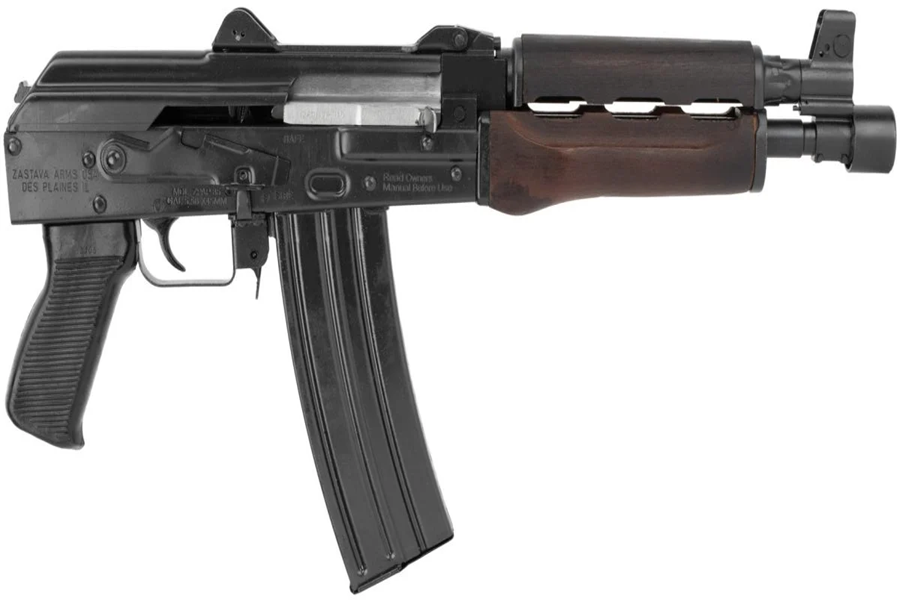
What’s a Krinkov
The term “Krinkov” refers to a specific, compact variant of the AK family of rifles—in particular, the AKS-74U. Renowned for its short barrel, distinctive profile, and practicality in close-quarter scenarios, this firearm has earned a unique place in both military and civilian circles. While not an official designation within Russian military terminology, the nickname “Krinkov” has become synonymous with this weapon among enthusiasts and collectors alike.
Key Features of a Krinkov
- Compact Size: The AKS-74U is significantly shorter than standard AK rifles, with a barrel length of just 8.1 inches (206mm). This makes it suitable for confined spaces or urban engagements.
- Folding Stock: Equipped with a side-folding stock, the Krinkov is designed to further enhance its portability when not in use.
- Chambering: It is chambered primarily for the 5.45×39mm round, offering reduced recoil while maintaining effective stopping power at short ranges.
- Distinctive Conical Flash Suppressor: One hallmark feature of the Krinkov is its large conical flash suppressor at the muzzle’s end. This suppressor helps manage muzzle flash during firing while also affecting recoil dynamics.
Applications
- Military Operations: Due to its compact size and light weight, it has been favored by special forces units for close-quarter battles (CQB), vehicle crews needing space-efficient weapons, or as a backup firearm.
- Law Enforcement: Tactical police units often utilize such compact carbines when operating in urban areas where mobility matters more than long-range accuracy.
- Civilian Use: In countries where laws permit ownership of such firearms, civilians appreciate its manageable size for recreational shooting and as part of weapon collections.
Advantages over Full-Sized Rifles
| Feature | Full-Sized Rifles | Krinkov (AKS-74U) |
| Barrel Length | ~16 inches | 8.1 inches |
| Weight | ~7 lbs | ~5 lbs |
| Effective Range | Up to 500 meters | Up to 200 meters |
| Ideal Use | Open terrain/long range | Urban/CQB scenarios |
This table highlights how form follows function with these weapons—the full-sized rifle maximizes range and accuracy at longer distances while sacrificing ease of movement, whereas the Krinkov strikes an opposite balance.
By understanding what defines this distinctive firearm—its size, features, and intended applications—you gain insight into why enthusiasts hold such high regard for this carbine-style weapon within firearms history.
Breaking Down the AKS-74U Krinkov
The AKS-74U, often referred to as the “Krinkov,” is a compact, carbine-style variant of the AK-74 rifle. Developed in the late 1970s by Mikhail Kalashnikov and his design team, this firearm was designed to fulfill a specific role within military and law enforcement units requiring a lighter, more maneuverable weapon.
Key Features of the AKS-74U
| Feature | Description |
| Caliber | 5.45×39mm, a smaller cartridge than traditional AK models |
| Barrel Length | 8 inches (shorter than most traditional rifles in the AK series) |
| Weight | Approximately 6 pounds (empty), making it light and portable |
| Stock | Folding metal stock for ease of storage and transport |
| Muzzle Device | Conical flash suppressor that helps reduce muzzle flash during firing |
This combination of features makes it particularly suitable for close-quarters combat (CQC), vehicle crews, reconnaissance units, and other scenarios where traditional full-sized rifles would be cumbersome.
Design Characteristics
- Shortened Barrel: The reduced barrel length sacrifices range but improves handling in tight spaces.
- Gas System Modifications: To accommodate the shorter barrel, the AKS-74U features a modified gas system ensuring reliable operation despite higher gas pressure.
- Distinctive Appearance: Its compact frame paired with a unique muzzle device gives it an unmistakable silhouette.
These adaptations make it ideal for urban environments or confined settings where longer rifles are impractical.
Advantages of Compactness
- Portability: Weighing less than most standard assault rifles, it’s easier to carry for extended periods.
- Improved Maneuverability: The folding stock and short barrel make navigating tight corners or enclosed spaces much simpler.
- Versatility Across Roles: Often employed as a personal defense weapon (PDW) by vehicle crews or commanding officers who may not need full-sized battle rifles.
While these advantages come with trade-offs—such as reduced accuracy at long distances—the weapon excels within its intended operational scope.
Limitations of Short-Barreled Rifles
- Reduced velocity due to the shortened barrel means less effectiveness at long ranges.
- Enlarged muzzle flash can hinder nighttime operations if not properly concealed.
- Increased wear on internal components due to higher pressures within the gas system.
These limitations highlight how specialized firearms like the Krinkov serve particular niches rather than replacing general-purpose assault rifles entirely.
Practical Applications Today
Although originally conceived for military use during Cold War conflicts, modern enthusiasts appreciate Krinkovs for their historical significance and performance in civilian applications such as sport shooting or collecting. When paired with accessories like optics or suppressors—where legal—they remain versatile tools with enduring appeal among firearm aficionados worldwide.
Where Did The Name Come From
The origin of the name “Krinkov” has long been a topic of interest and discussion among firearm enthusiasts and historians. Unlike official designations such as AKS-74U, “Krinkov” is not a formal term used by the firearm manufacturer or military forces. Instead, it is a colloquial nickname that arose in the late 20th century, gaining traction particularly among Western gun collectors and enthusiasts.
Theories Behind the Name
- Soviet-Afghan War Influence:
One popular theory suggests that the term originated during the Soviet-Afghan War (1979–1989). Soviet forces deployed AKS-74Us extensively during this conflict due to their compact size and maneuverability in mountainous terrain. Afghan Mujahideen fighters reportedly encountered these weapons frequently and may have coined “Krinkov” as a mispronunciation of Russian or Soviet military jargon associated with it. - Phonetic Evolution:
Another theory proposes that “Krinkov” was simply an anglicized or misheard version of a word used in Russian-speaking regions to describe the AKS-74U. Over time, this nickname spread informally through global arms markets and collector circles. - Western Adoption via Black Markets:
The name could also have emerged as slang among Western buyers who acquired surplus AKS-74Us from Eastern Europe or Central Asia after the Cold War. This informal nickname seemed to stick because it was easier to remember than its formal designation.
Why Does It Persist?
- Ease of Recognition: Compared to the technical designation of AKS-74U, “Krinkov” is shorter and more memorable among non-military users.
- Cultural Appeal: Pop culture references in movies, video games, and online forums further ingrained this term within firearms communities.
- Unique Identity: The nickname has taken on its own identity separate from other members of the AK family, reinforcing its use.
| AKS-74U Features | Why Associated With Krinkov? |
| Compact size | Referred to as distinctive in design |
| Shortened barrel | Commonly linked with fast handling |
| Foldable stock | Ideal for close-quarter scenarios |
Ultimately, while we may never know with certainty where exactly “Krinkov” originated, its association with ruggedness, reliability, and compact firepower ensures its continued use within discussions surrounding this iconic firearm model.
Why the Krink
The AKS-74U, commonly referred to as the “Krinkov,” has earned a reputation for its unique characteristics that set it apart from other models in the AK (Avtomat Kalashnikova) family. This section explores why this compact firearm is so revered among enthusiasts, professionals, and collectors.
1. Compact Design and Portability
One of the primary reasons for the enduring popularity of the Krinkov is its ultra-compact design. Built as a shortened variant of the AK-74, it provides increased portability and ease of handling in tight spaces without sacrificing much firepower.
Key features that contribute to its portability include: – Shortened Barrel: At approximately 8 inches, the barrel length makes it ideal for close-quarter situations. – Folding Stock: The collapsible stock further enhances maneuverability, allowing operators to easily carry and deploy it. – Lightweight Construction: Compared to full-sized rifles, the Krinkov weighs significantly less while maintaining durability due to its stamped steel receiver.
These traits make it an excellent choice for urban operations or vehicle crews where space is at a premium.
2. Iconic Performance in Close Quarters
The Krinkov’s performance excels in environments where speed and precision are critical. Features such as: – Reduced Length ensure quicker handling when moving around obstacles. – 7N6 Ammunition, a 5.45x39mm cartridge designed for higher velocity and lower recoil compared to traditional AK rounds. The combination of these factors makes it an effective tool for close-range engagements while retaining accuracy at moderate distances.
3. Distinctive Muzzle Device
Another standout feature of the Krinkov is its iconic muzzle booster (often referred to as the “flash hider” or “cone”). This element plays a vital role by: – Redirecting escaping gases to ensure proper cycling even with its shorter gas system. – Reducing visible muzzle flash during firing, which can be advantageous in low-light conditions or tactical scenarios.
This engineering solution allows the weapon’s performance to remain reliable despite its compact size—earning high praise from operators worldwide.
4. Versatility Across Roles
While originally designed for Soviet military forces requiring portable firepower (such as paratroopers, tank crews, or special units), modern enthusiasts admire its multi-role capabilities: – Use in law enforcement or private security, especially in urban environments. – Popularity among civilian collectors and recreational shooters, often due to its historical significance and aesthetics.
Its adaptability has ensured that even decades after production began, replicas and variants remain sought-after globally.
Table: Key Advantages vs Drawbacks
| Advantages | Drawbacks |
| Compact design | Reduced accuracy at long range |
| Lightweight portability | Limited rail space for optics |
| Reliable gas cycling | Louder report due to short barrel |
| Effective muzzle device | Higher visible recoil |
The enduring appeal of the Krinkov lies not just in its practical utility but also in how it embodies innovation within the Kalashnikov lineage. Whether appreciated by professionals seeking reliable firepower or collectors drawn by historical intrigue, this firearm retains iconic status across generations without compromise.
Variants of the Krinkov
Over its storied history, the AKS-74U—often referred to as the “Krinkov”—has undergone several modifications and adaptations. These variants reflect both practical changes to meet specific operational needs and adaptations made by manufacturers around the world. Here, we will explore some of the most notable versions of this compact firearm.
Original AKS-74U
The original AKS-74U was developed in the late 1970s and served as a shortened version of the full-sized AK-74 rifle. Its primary features include:
– Caliber: 5.45x39mm cartridge
– Barrel length: 8.1 inches (207mm), vastly shorter than standard rifles
– Gas system: A shortened gas piston system to accommodate its compact design
– Stock: Side-folding skeletal metal stock for portability
This variant was ideal for vehicle crews, special forces, and support troops requiring a lightweight and compact weapon.
Bulgarian Arsenal Variants
Bulgaria has been one of the key producers of Krinkov-style rifles, introducing localized versions through Arsenal AD. Their variants include:
– Arsenal AR-M9F: Chambered in 5.56x45mm NATO for international markets while maintaining a similar compact profile to classic models.
– SAM7K Series: Semi-auto civilian models chambered in popular calibers like 7.62x39mm or 5.56x45mm, catering to collectors and enthusiasts in regions with stricter firearm regulations.
These Bulgarian adaptations are widely respected for their quality and adherence to AK-platform reliability standards.
Russian Modernized Variants
In Russia, updates to the original AKS-74U have continued primarily for military use: 1. PPK-20 Submachine Gun: A modernized derivative introduced by Kalashnikov Concern as an optimized subcompact firearm for law enforcement and special operations units. – Features an integrated Picatinny rail system for mounting optics. – Chambered in 9x19mm Parabellum instead of traditional Soviet calibers. – Improved ergonomics with adjustable stocks and suppressor compatibility.
- AKS-U “Tactical” Conversions: Modified versions outfitted with polymer furniture, custom optics mounts, or suppressors to enhance performance under modern tactical scenarios.
Civilian Versions
Due to its iconic status, several manufacturers offer semi-auto civilian variants inspired by the Krinkov design: – Zastava M85/M92 PAP (Serbia): Chambered in either 5.56 NATO or 7.62x39mm but designed without select-fire capability. – PSA AK-P Series (USA): Palmetto State Armory produces U.S.-made semi-auto pistols with a Krinkov aesthetic but chambered primarily in commercial-friendly calibers like .223 Remington or 7.62x39mm.
Comparison Table
| Variant Name | Country | Caliber | Intended Use | Notable Features |
| AKS-74U | Soviet Union | 5.45x39mm | Military/Vehicle Crew | Compact barrel; side-folding stock |
| Arsenal AR-M9F | Bulgaria | 5.56 NATO | Civilian/Military | Western caliber; durable construction |
| PPK-20 | Russia | 9x19mm | Special Operations | Modern optics rail; ergonomic upgrades |
| Zastava M85 PAP | Serbia | .223 Rem | Civilian Use | Pistol variant without folding stock |
By examining these variants, it becomes clear how versatile the Krinkov platform has become over decades of service across different nations and industries while maintaining its unique identity as a reliable short-barreled rifle.
Variants of the Krinkov
The AKS-74U, often referred to as the “Krinkov,” has inspired various adaptations and variants over the years. These variants reflect the versatility of this compact rifle and its ability to meet diverse operational needs, whether in military, law enforcement, or civilian applications. Below is a breakdown of some notable versions and adaptations of the Krinkov.
Original Soviet Model: AKS-74U
The AKS-74U serves as the foundational design for all subsequent variants. Introduced in the late 1970s by the Soviet Union, it was designed to bridge the gap between a full-size assault rifle and a submachine gun. Key characteristics include: – Caliber: 5.45x39mm – Barrel Length: 8.1 inches (shorter than standard AK rifles) – Weight: Approx. 6 pounds (lightweight for maneuverability) – Stock: Side-folding metal stock for compact storage and portability – Muzzle Device: Distinctive cone-shaped flash suppressor that also functions as a gas-expansion chamber
This version became synonymous with close-quarters combat (CQC) roles in urban environments.
Bulgarian Arsenal Models
Arsenal AD in Bulgaria manufactured several licensed copies of the AKS-74U under different designations: 1. AR-M4SF
– Similar to the original AKS-74U but chambered in 5.56x45mm NATO. – Intended for export markets where NATO ammunition standards are prevalent. 2. SAM7K Series
– A semi-auto variant targeted at civilian shooters. – Chambered in 7.62x39mm or 5.45x39mm, depending on the model. – Features high-quality milled receivers for enhanced durability.
These models maintain many visual and functional characteristics of the original Krinkov while offering modern features like improved ergonomics.
U.S.-Made Semi-Auto Variants
In response to growing demand among firearm enthusiasts, U.S.-based companies began producing semi-auto-only versions modeled after the Krinkov: – Commonly built on imported parts kits combined with domestically machined components. – Frequently offered in multiple calibers including: – The original 5.45x39mm – More common U.S.-friendly calibers like .223 Remington and 7.62x39mm – Often equipped with Picatinny rails or KeyMod systems for mounting optics and accessories.
Custom Builds by Enthusiasts
With an array of parts kits available on surplus markets, custom “Krinks” have become popular among hobbyists who appreciate fine-tuning their firearms: – Builders often mix parts from different sources to create personalized configurations. – Upgrades may include suppressors, red dot optics, or alternative stocks such as polymer folding stocks or braces compliant with local regulations.
| Feature | Traditional AKS-74U | Modern Custom Builds |
| Optics | Iron sights | Red dot sights or scopes |
| Caliber | 5.45x39mm | Multiple calibers possible |
| Stock Material | Metal folding | Polymer/adjustable braces |
Other International Copies
Several countries have developed unlicensed copies of the Krinkov for their own use: 1. Romanian PM md.90 Short Barrel Variant – Adapted from Romania’s standard PM md series rifles but shortened significantly. 2. Chinese Norinco Models – Compact rifles inspired by Soviet designs but manufactured locally by Norinco.
These variations may differ slightly in material quality or manufacturing techniques but still retain core design elements associated with compact AK platforms.
Understanding these variants highlights how adaptable and globally influential the Krinkov has become since its inception—equipped to meet tactical demands across time zones and borders alike while maintaining its storied reputation as an iconic weapon platform.

BROWNING BUCKMARK FREEDOM – VISION 22LR 5.9″ 250TH SR
BROWNING BUCKMARK FREEDOM - VISION 22LR 5.9" 250TH SR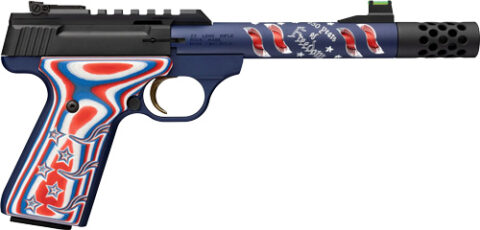
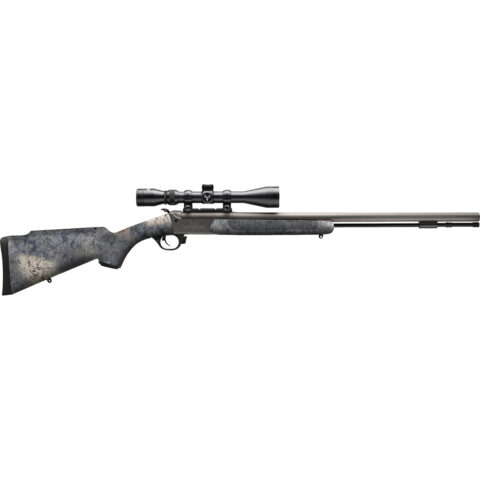
Traditions NitroFire with VAPR Twist Muzzleloader .50 Cal 26 in.
Traditions NitroFire with VAPR Twist Muzzleloader .50 Cal 26 in. Tungsten/Desert Web w/ Scope