
FEATURED CATEGORIES
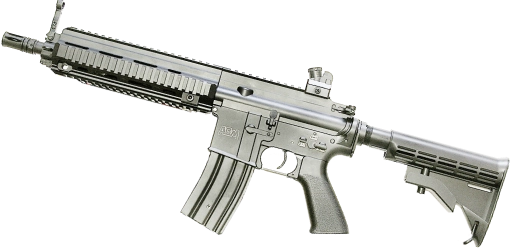
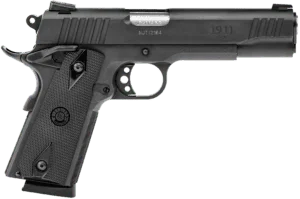
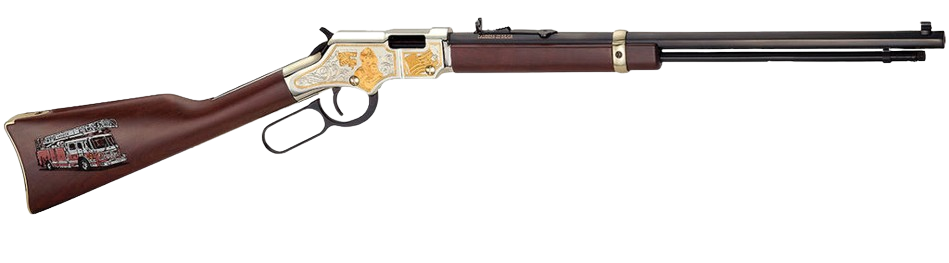
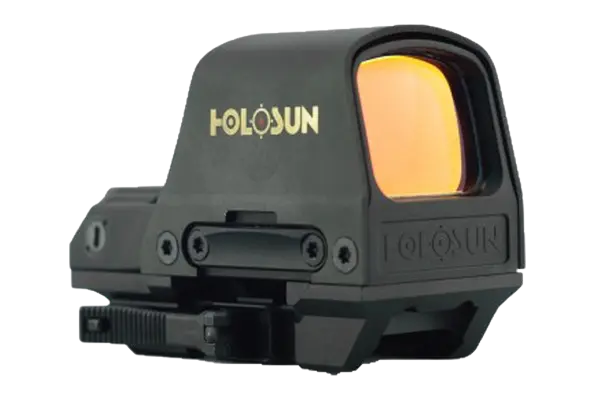
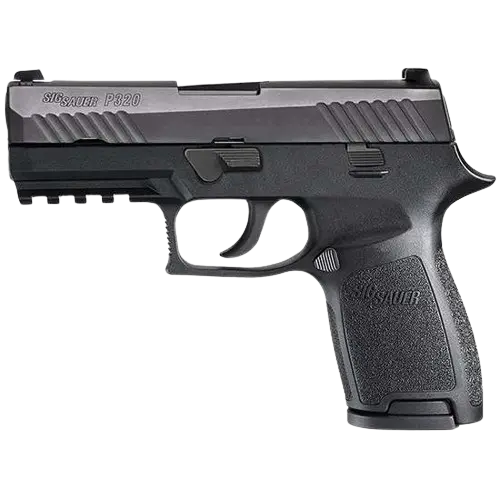
FEATURED Firearms



We are an LAW Enforcement dealer
Gallery
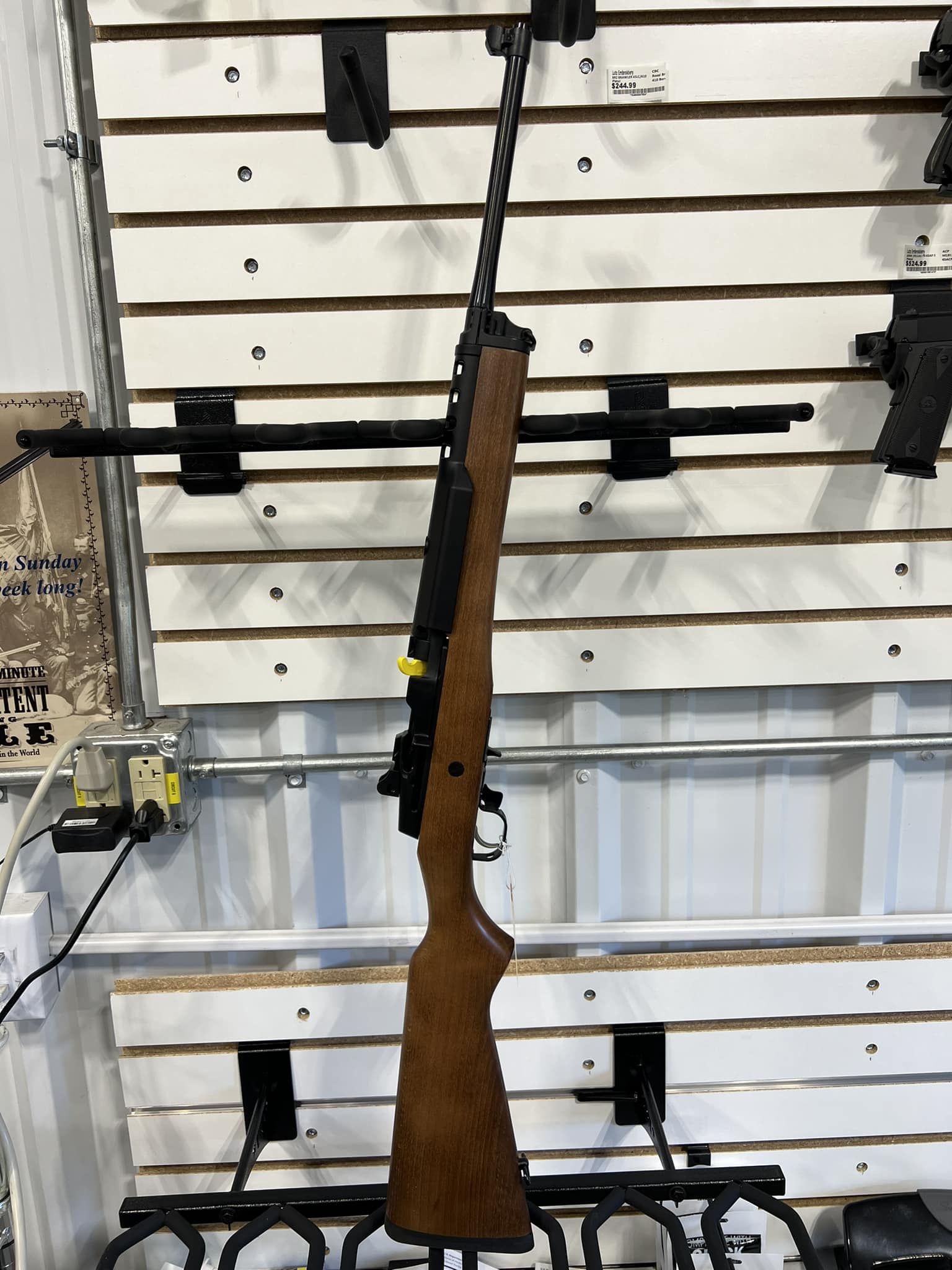
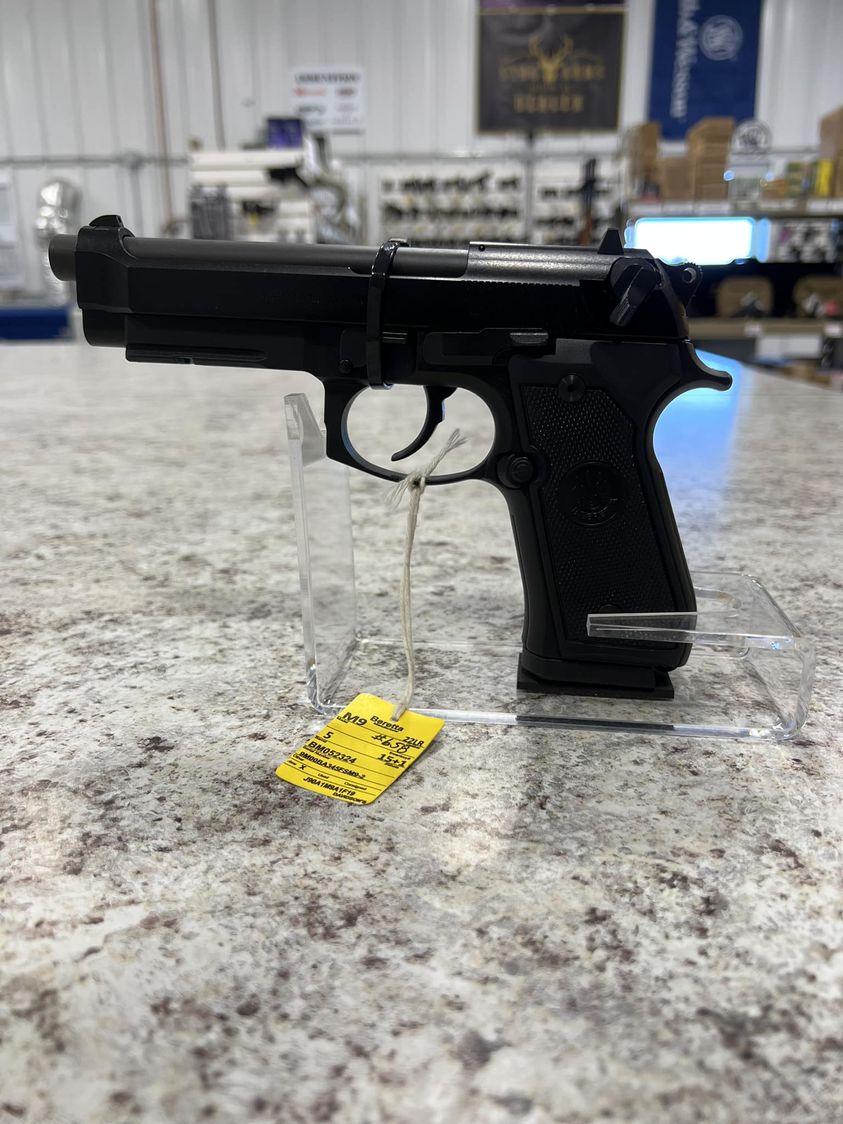
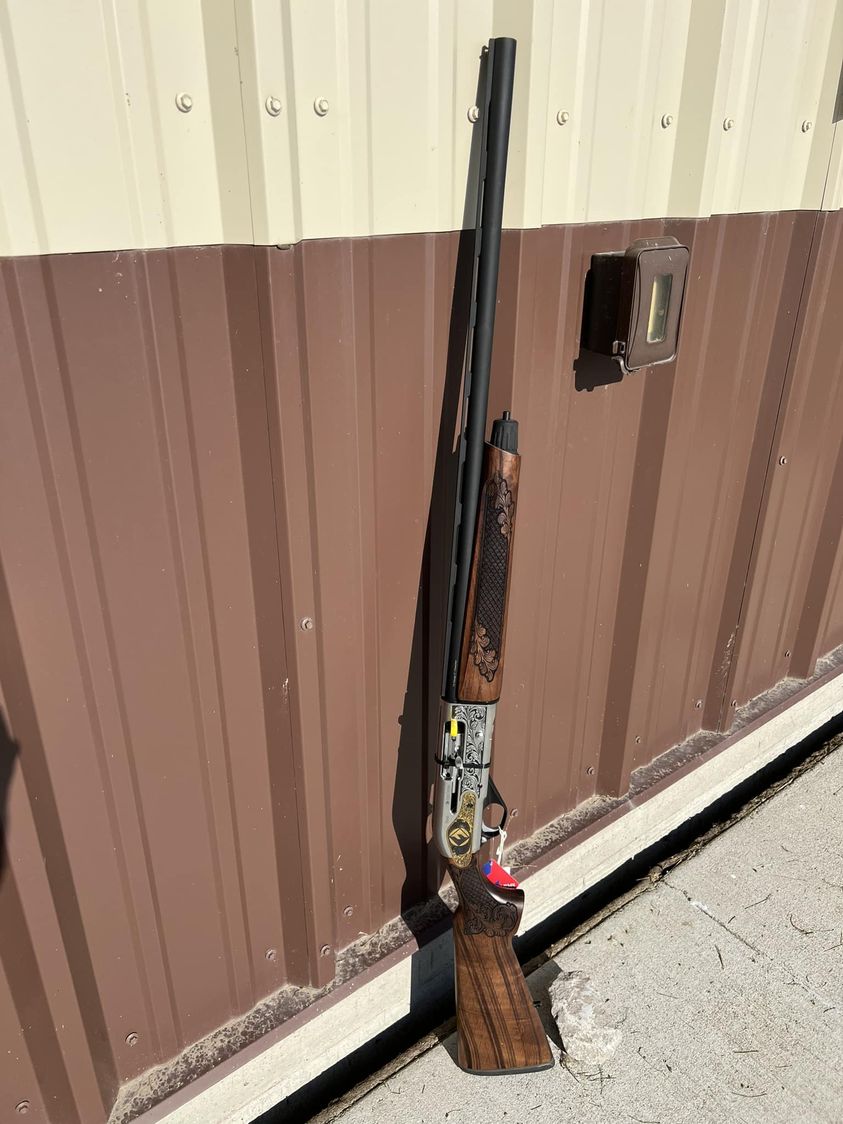
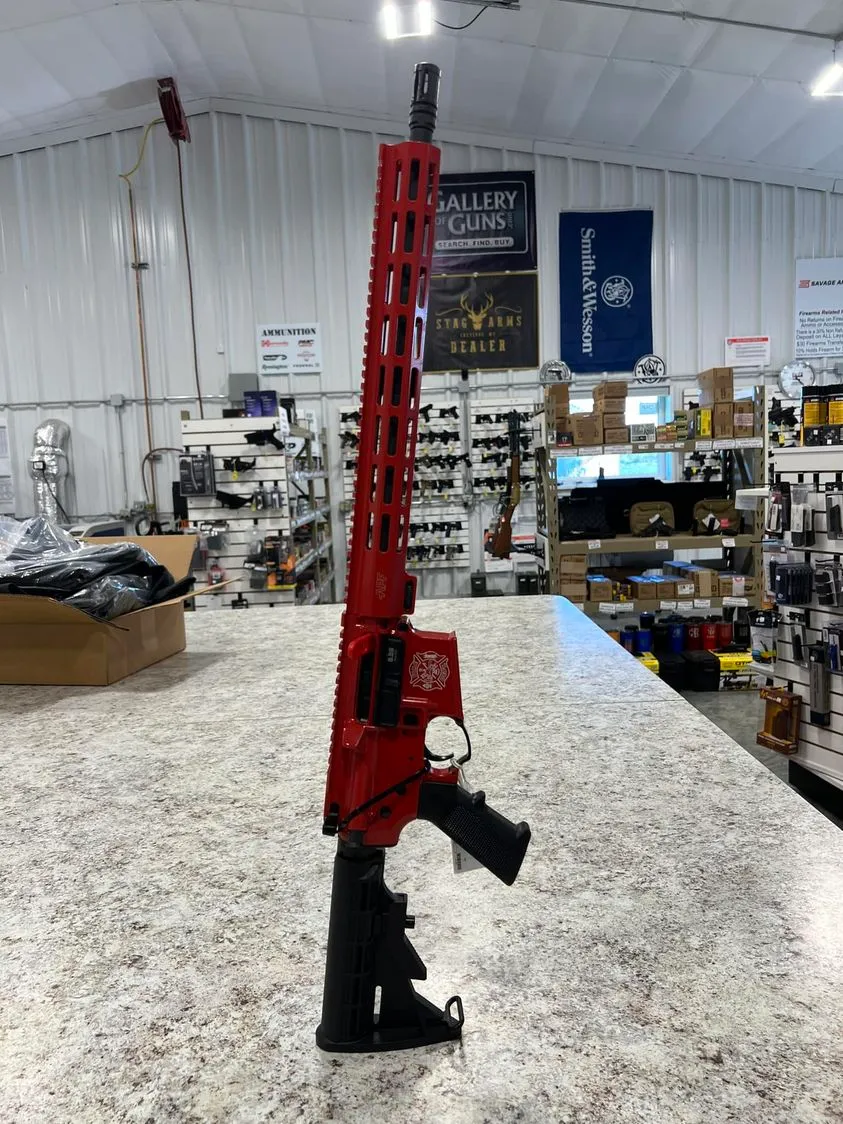
Top Gun Dealers in Laurel, NE
Your Community's Home for Quality Firearms and Personalized Embroidery! At Hadar Firearms we take pride in being a cornerstone of our small town, providing a unique blend of two passions: firearms and personalized embroidery. As a family-owned business, we understand the value of tradition, personal service, and expertise.
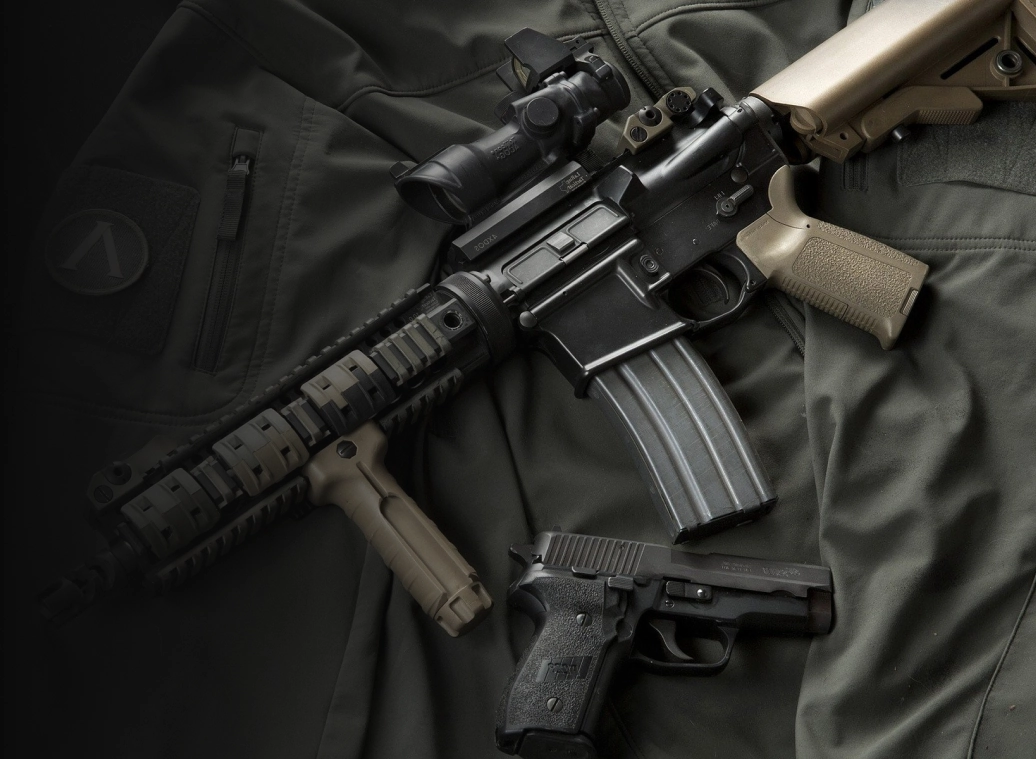
FEATURED FIREARMS
 Rating
From our blogs
APF Armory®A Contender for Your Next AR Platform Purchase.

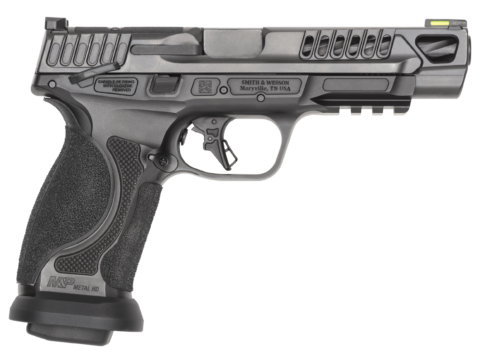
The Smith & Wesson Metal 2.0 Handgun
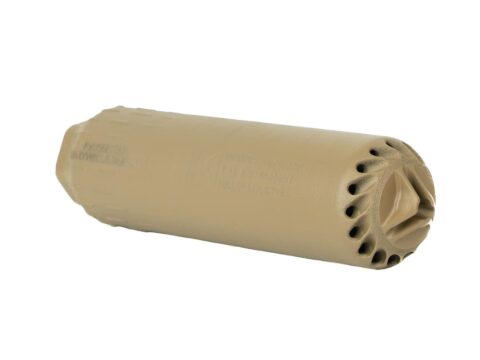
Is the HUXWRX 556 Ti a good suppressor choice?
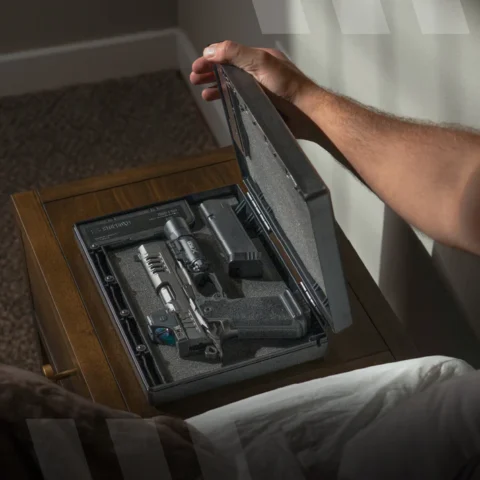
StopBox Gunsafe Review 2026
Essential Tips for Beginners Learning to Shoot at a Gun Shop in Laurel, NE
Learning to shoot a handgun can be an empowering and valuable skill, but for beginners, it can also seem intimidating. Whether you’re considering purchasing your first handgun or simply learning how to use one safely, starting with the right approach is critical. Below are essential tips to help beginners get started on the right foot.
Finding Trusted Gun Dealers in Laurel, NE: Safety Comes First
Understanding and following gun safety rules is the foundation of responsible gun ownership and handling. Familiarize yourself with these four universal firearm safety rules:
– Treat all guns as if they are loaded.
– Never point the muzzle at anything you are not willing to destroy.
– Keep your finger off the trigger until you are ready to fire.
– Be certain of your target and what lies beyond it.By internalizing these principles, you’ll ensure safety—for yourself and those around you—every time you handle a firearm.
Find the Best Gun Stores in Laurel, NE to Start Your Firearms Safety Journey
For beginners, professional instruction is invaluable. Enroll in a certified firearms safety course, where you’ll learn about:
– Proper storage options for handguns.
– How to load and unload a firearm safely.
– Legal responsibilities associated with firearm ownership.Expert instructors provide hands-on guidance to help you build confidence and competence.
Discover the Best Gun Shops in Laurel, NE to Choose the Perfect Handgun for Beginners
Starting with a beginner-friendly handgun is key. Look for features like:
– Low recoil: A lighter recoil is easier to manage, helping you focus on proper technique.
– Ergonomic grip: A comfortable grip ensures better control and accuracy.
– Reliable make and model: Opt for trusted brands like Glock, Smith & Wesson, or Ruger to ensure reliability.Visiting a shooting range that offers rentals can allow you to try different handguns before making a purchase.
Discover Protective Gear at Handgun Stores in Laurel, NE
Proper protective equipment is non-negotiable. Essential items include:
– Eye protection: Shooting glasses shield your eyes from debris and glare.
– Ear protection: Use earplugs or earmuffs to protect your hearing from the high decibel level of gunfire.Having the right gear enhances both your safety and comfort during practice.
Discover the Basics of Shooting at Retail Gun Stores in Laurel, NE
For beginners, mastering the basics is vital before advancing to more complex skills. Key components to focus on include:
– Grip: Ensure a firm yet comfortable grip to maintain control.
– Stance: A proper shooting stance provides stability and balance.
– Sight alignment and sight picture: Learn to align the front and rear sights with the target.
– Trigger control: Smoothly squeeze the trigger without jerking to avoid disrupting your aim.Find a Trusted Gun Dealer in Laurel, NE and Practice Regularly at the Range
Practice Session Distance (Yards) Grouping Size (Inches) Notes Session 1 5 5 Focus on trigger control. Session 2 10 4 Improved sight alignment. Session 3 15 3 Greater consistency. Finding Trusted Mentorship While Exploring Guns for Sale in Laurel, NE
If possible, find an experienced shooter or join a shooting club. Mentorship provides feedback, support, and camaraderie, all of which can accelerate your learning process.
Learning to shoot a handgun is a journey that requires patience, discipline, and dedication. By prioritizing safety, focusing on the fundamentals, and seeking professional guidance, beginners can develop the skills needed to handle a firearm responsibly and effectively.
Exploring Gun Sizes and Comfort at the Best Gun Store in Laurel, NE
When selecting a firearm, understanding gun sizes plays a crucial role in determining comfort, usability, and practicality. Choosing the right size ensures a secure grip, better control, and an overall positive shooting experience. This guide will outline the key aspects of gun sizes and their impact on usage.
Finding the Right Firearm at Your Local Gun Store in Laurel, NE
- Typically used by law enforcement and military personnel.
- Designed for maximum accuracy due to longer barrel lengths and larger grips.
- Ideal for home defense or range shooting due to their weight and recoil absorption.
- Smaller than full-size guns but still provide good accuracy.
- Easier to carry for concealed purposes while maintaining adequate firepower.
- Suitable for individuals who require versatility between self-defense and recreational shooting.
- The smallest class of handguns available on the market.
- Lightweight, making them ideal for concealed carry users seeking portability.
- Generally intended for close-range self-defense situations due to reduced accuracy at longer distances.
Key Attributes Full-Size Compact Subcompact Barrel Length 4-5 inches 3-4 inches 2-3 inches Weight Heavier Moderate Light Concealability Low Moderate High Recoil Effect Lower Moderate Higher Key Tips to Buy Guns in Laurel, NE and Choose the Right Size
Finding the Right Fit at Gun Shops Near Me
A firearm should fit comfortably in your hands without causing strain or awkward positioning. Larger hands may benefit from full-size guns, while smaller hands might prefer compact or subcompact models.
Finding the Right Handguns Near Me for Your Needs
Are you purchasing the firearm for concealed carry, home defense, or recreational shooting? For example: – Concealed carry benefits from subcompacts due to easy concealability. – Home defense may favor full-size guns with enhanced accuracy.
Finding the Best Gun Dealers Near Me for Recoil Management
Smaller firearms tend to have more noticeable recoil because of their lighter weight and shortened barrels. Beginners may find this challenging when trying to maintain control during repeated shots.
Finding the Right Gunsmith Near Me: Weight Considerations
Although lightweight guns are easier to carry, they can be less stable during operation compared to heavier firearms that absorb recoil more effectively.
How to Test Comfort Before Buying at a Firearms Store in Laurel, NE
To ensure maximum comfort with your chosen size: 1. Visit local gun stores or ranges offering rentals. 2. Handle various sizes/models to assess grip feel and balance. 3. Test-fire different options under controlled conditions. 4. Seek advice from knowledgeable instructors or sales staff who can guide you through the selection process.
Understanding how gun sizes impact comfort and usage is essential when selecting a firearm tailored specifically to your needs/preferences—ensuring both safety and effectiveness in every scenario you encounter.
Finding the Right Gun Sizes at an Arms Store in Laurel, NE for Comfort and Usage
When purchasing a firearm, especially for personal defense or recreational shooting, understanding gun sizes is vital. The size of a gun influences not only its usability but also its comfort during handling, portability, and effectiveness in fulfilling specific needs. Below, we explore various aspects of gun sizes and how they impact comfort and usage.
Common Gun Size Categories
- Intended for duty use, home defense, or recreational shooting.
- Boast higher accuracy due to longer barrels.
- Examples: Glock 17, Beretta 92FS.
- Ideal for concealed carry and easier portability.
- Slightly smaller than full-size options but still comfortable for most users.
- Examples: Sig Sauer P320 Compact, Glock 19.
- Designed specifically for concealed carry and maximum portability.
- Often have a reduced magazine capacity due to their size.
- Examples: Smith & Wesson M&P Shield, Sig Sauer P365.
- Extremely lightweight and small, perfect for deep concealment.
- Require more practice to handle proficiently due to reduced grip size and recoil control challenges.
- Examples: Ruger LCP, Kimber Micro 9.
Factors to Consider When Selecting a Gun Size
- A gun that fits your hand comfortably is crucial for accuracy and control.
- Ensure you can comfortably reach the trigger and grip the firearm securely.
- For home defense: Full-size handguns typically offer better performance due to increased capacity and reduced recoil.
- For concealed carry: Compact or subcompact options are more practical for daily wear.
- Larger guns tend to have less felt recoil, making them easier to handle for beginners.
- Smaller guns may require more advanced grip techniques to manage muzzle rise effectively.
- If you need a firearm for everyday carry, smaller guns like subcompacts or pocket pistols are easier to conceal without printing (showing through clothing).
Gun Size Comparison Table
Gun Size Barrel Length Magazine Capacity Portability Recoil Management Best For Full-Size 4.5″–5″ High Low Excellent Home defense, target shooting Compact 3.5″–4″ Moderate Moderate Good Concealed carry, general use Subcompact 3″–3.5″ Lower High Moderate Everyday concealed carry Pocket/Micro <3″ Minimal Very High Limited Deep concealment Key Recommendations
- Try Before You Buy:
Visit a range or a gun store that offers rentals to test different sizes. This hands-on experience will help you determine what feels comfortable and meets your needs. - Seek Guidance from Professionals:
Gun store employees or firearm instructors can provide valuable insight into which size might be best suited for your intended purpose. - Training and Practice:
Regardless of the size you choose, regular practice is essential. Smaller firearms may demand additional training to master handling due to their size-related challenges.
By understanding the various gun sizes and their respective advantages and limitations, you can make an informed decision based on your unique needs and preferences. Remember, comfort and usability are paramount when selecting a firearm, as they directly impact safety and performance.
Finding the Best Gun Stores Around Me: Mastering Trigger Control and Key Techniques
For anyone looking to become proficient with firearms, mastering the basics is an essential step. Among the foundational skills, understanding proper trigger control and other key manipulations can significantly improve accuracy, safety, and confidence. Below, we’ll break down the critical areas of focus that every firearm handler should prioritize when honing their skills.
Trigger Control: Why It Matters
- Placement:
Ensure the pad of your index finger (not the joint) rests on the trigger. This allows for a smooth and controlled squeeze without disturbing the alignment of the sights. - Press, Don’t Pull:
Apply slow and steady pressure straight back towards the rear of the gun. Avoid jerking or yanking the trigger, as this can cause your shot to veer off target. - Follow-Through:
After the shot breaks, maintain pressure on the trigger to feel the reset point. This resets the firearm for the next shot and helps maintain a consistent rhythm.
The Importance of Grip
- Dominant Hand:
Place your dominant hand high on the backstrap of the gun, ensuring it aligns with your wrist and forearm. This minimizes recoil. - Support Hand:
Wrap your support hand around the dominant hand, with your thumb pointing forward along the frame. Keep your fingers tight and maintain equal pressure from both hands. - Thumbs-Forward Grip:
Position both thumbs forward along the frame to maintain control during recoil and improve follow-up shots.
Sight Alignment and Sight Picture
- Sight Alignment:
The front sight should be centered between the rear sights, with equal spacing on both sides. The top of the front sight should be level with the top of the rear sight. - Sight Picture:
Focus on the front sight while ensuring it is aligned with your target. A clear front sight with a slightly blurred target background is ideal for precision shooting.
Key Manipulations for Safe Handling
- Magazine Changes:
Practice reloading efficiently by aligning your magazines before insertion and maintaining situational awareness. - Slide Manipulation:
Learn to rack the slide with confidence using overhand or slingshot techniques. This skill is essential for chambering rounds and clearing malfunctions. - Safety Mechanisms:
Familiarize yourself with your firearm’s safety features, such as manual safeties, decockers, or grip safeties. Make engaging and disengaging these features second nature.
Practice Recommendations
- Dry-fire practice at home to perfect your trigger control and grip without live ammunition.
- Incorporate drills like “dot torture” or slow-fire exercises at the range to refine accuracy.
- Work with a certified firearms instructor to identify areas for improvement and build confidence.
Skill Recommended Practice Frequency Trigger Control Dry-fire drills 2-3 times per week Grip Adjustment Live-fire practice Weekly at the range Sight Alignment Slow-fire target shooting Bi-weekly Magazine Changes Reload drills with dummy rounds After every range session Malfunction Clearing Simulated malfunction scenarios Monthly practice sessions Mastering the basics of firearm handling takes time and commitment but is well worth the effort. With proper practice and focus on key manipulations, you can significantly enhance both your safety and proficiency.
Finding the Best Gun Store Near Me for Mastering Trigger Basics and Key Manipulations
Mastering the fundamentals of firearm operation is crucial for safe and effective gun handling. Among the most important aspects is understanding your trigger and developing proficiency in key manipulations. Whether you’re new to firearms or looking to refine your skills, focusing on these basics ensures greater accuracy, control, and confidence.
Understanding Trigger Types
- Requires manual cocking of the hammer before the trigger can be pulled.
- Often has a shorter and lighter trigger pull.
- Common in revolvers and certain semi-automatic pistols.
- Performs two functions: cocking the hammer and releasing it.
- Typically has a longer, heavier trigger pull for the first shot.
- Found in many modern pistols, such as Glocks.
- Offers a consistent pull weight for every shot.
- Combines elements of both DA and SA triggers.
- First shot is double-action, while subsequent shots are single-action.
Take time to understand your firearm’s trigger type and how it affects your shooting experience.
Developing Trigger Discipline
- Keep your finger off the trigger until ready to fire: This reduces the risk of accidental discharge.
- Learn to “stage” the trigger: Apply pressure to take up slack or pre-travel in the trigger, stopping just before the break point. This helps improve accuracy for more precise shots.
- Practice a smooth press: Avoid jerking or slapping the trigger, which can throw off your aim. Focus on pressing it smoothly and directly to the rear.
Key Manipulations Every Shooter Should Learn
- Ensure a firm, high grip on the firearm to manage recoil effectively.
- Align your grip to maintain consistent control during repeated shots.
- Line up your front and rear sights properly for accuracy.
- Focus on the front sight while keeping your target in view.
- Practice inserting and removing magazines quickly and efficiently.
- Learn how to address common issues like failure to feed, failure to fire, or double feeds using tap-rack-bang or similar methods.
Practice Makes Perfect
- Practice trigger control and manipulations without live ammunition to build confidence and precision.
- Spend time at the range to apply these skills in real-world scenarios.
- Enroll in firearm training courses to receive guidance from qualified instructors.
By focusing on these essential basics, shooters can significantly enhance their ability to handle firearms safely and effectively.
Contact
Get in touch with Hadar Firearms
Brand we trust